
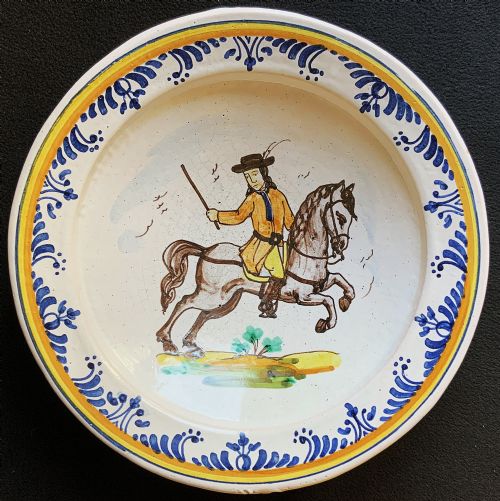


White Pottery Serving Bowl
These white pottery serving bowl examples span centuries of ceramic tradition, offering both practical utility and historical charm for the modern table.
White Pottery Serving Bowl
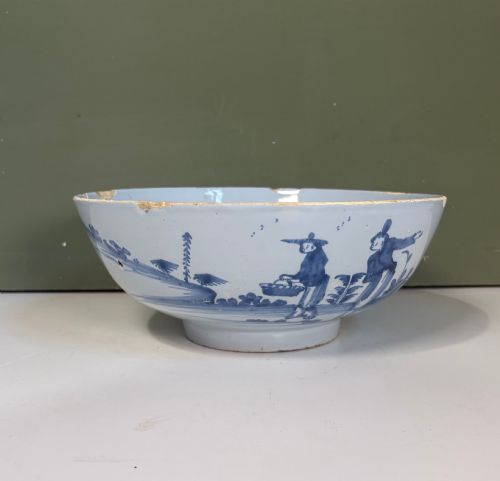
Makers utilised various regional traditions, resulting in pieces that reflect distinct stylistic periods such as the Victorian era, the Edwardian period, and Dutch or Spanish faience. Buyers encounter robust mixing bowls alongside refined porcelain centrepieces and transfer-printed servingware.
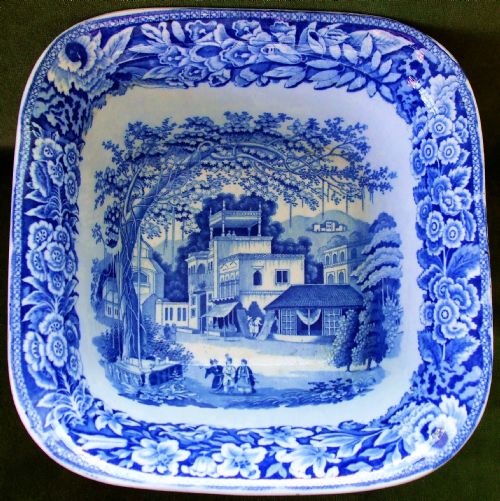
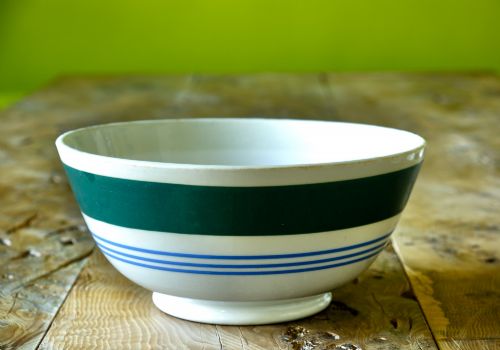
The assortment demonstrates how utilitarian tableware evolved from simple rustic farmhouse earthenware into decorative dining services. Each object retains the marks of its specific period, whether through hand-painted polychrome details or cobalt blue transfer prints.
Materials and production methods
Potters constructed these vessels primarily from earthenware and ceramic bodies, often applying tin glazes or enamel finishes to achieve a smooth white surface. Tin-glazed earthenware provided an opaque white ground suitable for subsequent hand-painting or transfer printing in cobalt blue.
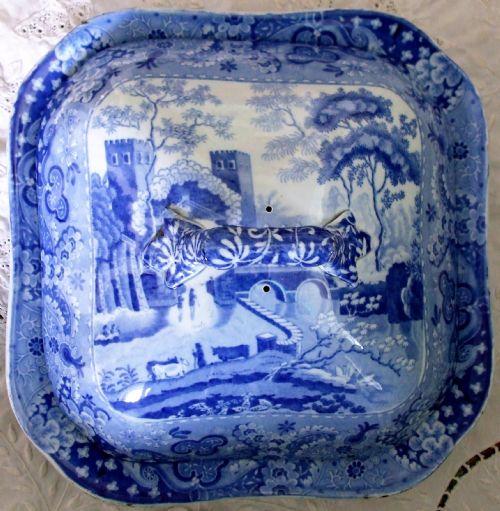
Techniques ranged from the rustic throwing of early earthenware to the industrial transfer printing seen on nineteenth-century Georgian wares. Faience and majolica production involved coating the clay body with a metallic glaze before firing to lock in vibrant pigments.
Some nineteenth-century serving tureens still carry the ghosts of hearty vegetable stews cooked for grand Georgian dinners.
Distinguishing quality in historical ceramics
Quality rests upon the crispness of the transfer print or the dexterity of the hand-painted brushwork applied to the ceramic surface. Superior pieces exhibit precise alignment during printing and careful control over the tin glaze during high-temperature firing.
The weight and balance of the vessel, alongside the fineness of the clay body, dictate the overall calibre of the servingware. Heavier earthenware pieces suited for daily kitchen use contrast with thinner, more refined porcelain centrepieces intended for formal dining.
J. & R. Riley·J. & R. Clews·T G Green·James Wallace & Co.·John Rogers and Son
The White Pottery Serving Bowl Glossary
- Earthenware
- Porous pottery fired at lower temperatures, typically requiring a glaze to achieve water resistance. It forms the foundation of many traditional serving bowls and kitchen vessels.
- Tin Glaze
- An opaque white glaze containing tin oxide, applied to pottery to create a smooth surface for painted decoration. It defines the appearance of historical faience and delftware.
- Transfer Print
- A decoration method where an engraved copper plate transfers a design onto tissue paper, which is then pressed onto the ceramic body before firing. This technique enabled uniform patterns on nineteenth-century tableware.
- Tureen
- A deep covered bowl used for serving soups, vegetables, or stews at the dining table. Historical examples often include matching ladles and decorative stands.
- Polychrome
- Decoration utilising multiple colours painted onto the ceramic body or glaze. It appears frequently on eighteenth-century chargers and Spanish or Dutch delft pieces.
White Pottery Serving Bowl: Frequently Asked Questions
Can I use these bowls for daily dining?
Many sturdy earthenware and ceramic pieces remain robust enough for regular table service, provided you handle them with reasonable care.
Avoid placing antique transfer-printed or tin-glazed vessels in modern dishwashers or microwaves, as thermal shock and harsh chemicals will damage the antique finish.
What is the difference between delft and faience?
Both terms describe tin-glazed earthenware, with delft generally referring to Dutch and English production and faience describing French and broader European traditions.
These wares share a characteristic opaque white tin glaze that serves as a canvas for blue or polychrome painted designs.
How do I date a white pottery bowl?
Examine the base for maker marks, transfer-printed pattern names, or the specific weight and colour of the ceramic body and glaze.
Stylistic clues such as floral transfer motifs or hand-painted polychrome borders often point toward specific periods like the Georgian or Victorian eras.