



White Pottery Dog
White pottery dog figures bring the character of the Victorian fireside into any room through earthenware pairs and mantel ornaments.
White Pottery Dog
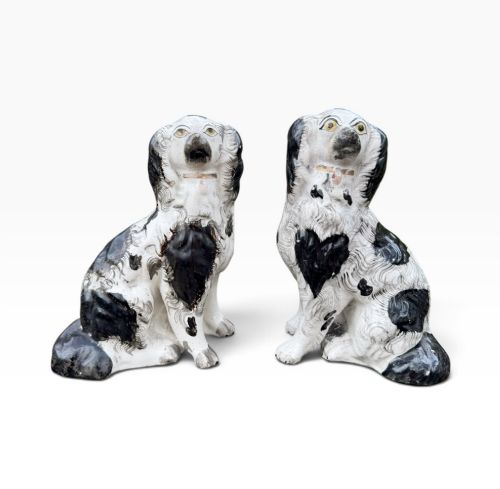
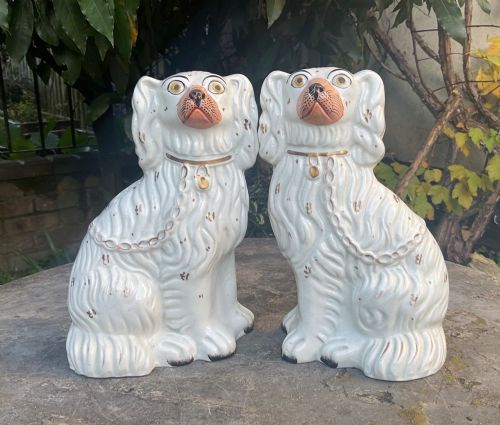
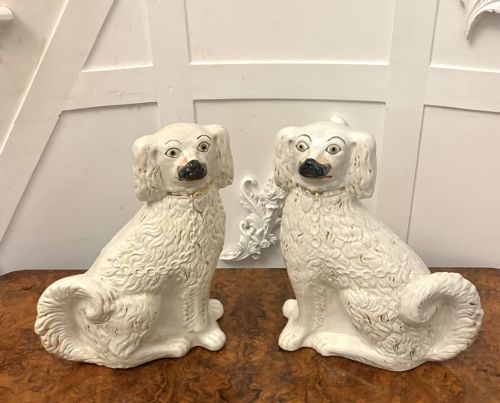
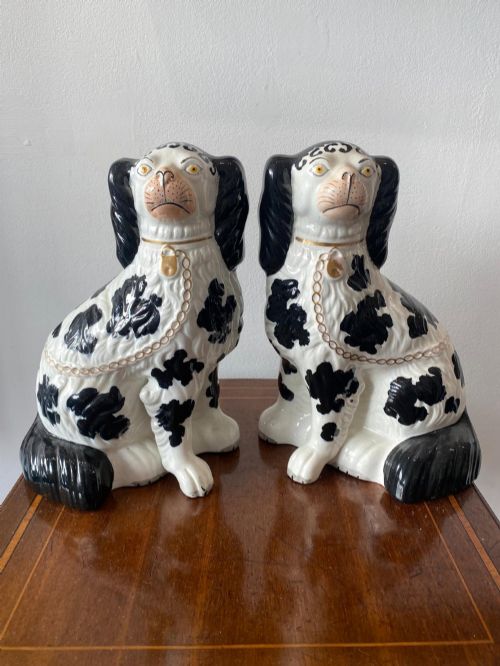
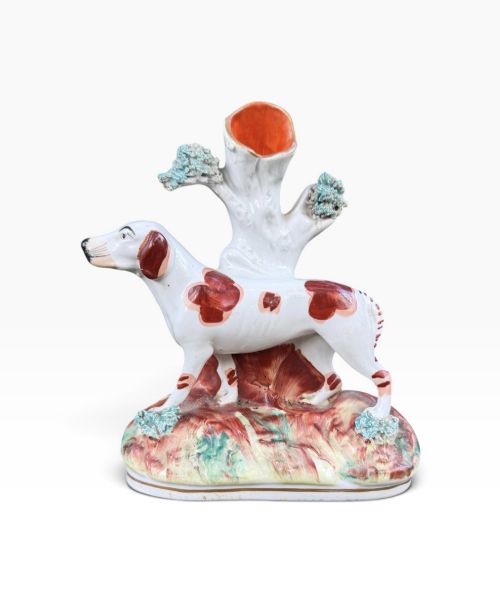
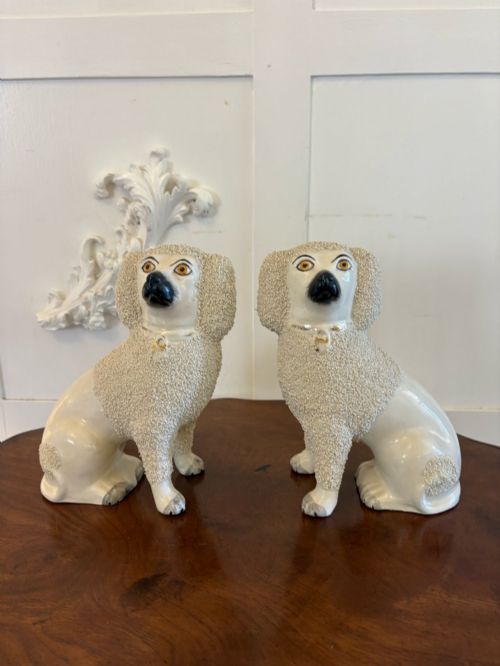
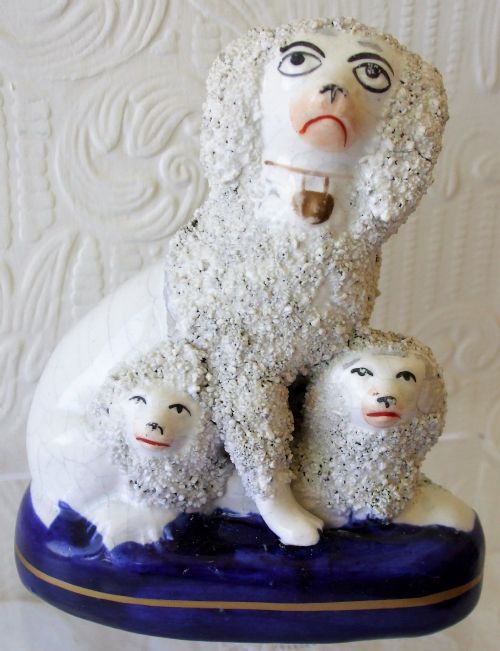
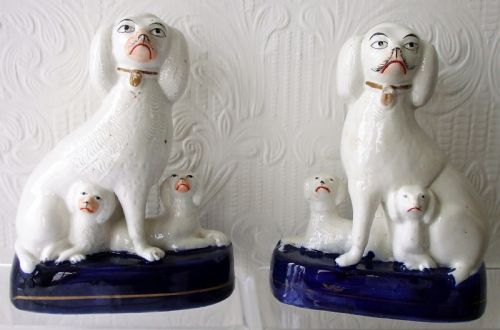
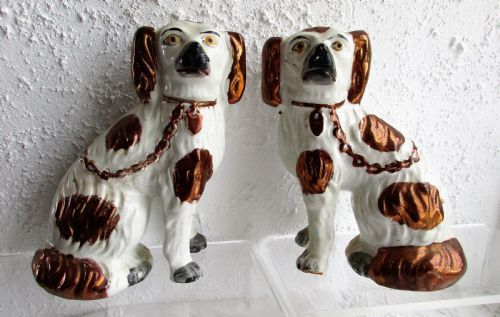
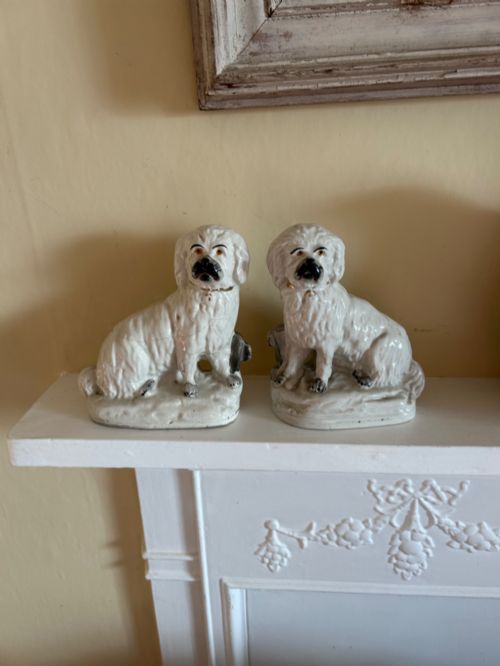
When you search for white pottery dog figures, you encounter characteristic Staffordshire spaniels, poodles, and terriers alongside Chinese glazed kylins and earthenware figures dating from the nineteenth century. These ceramic pieces frequently appear in pairs designed to sit upon a mantelpiece or flank a fireplace.
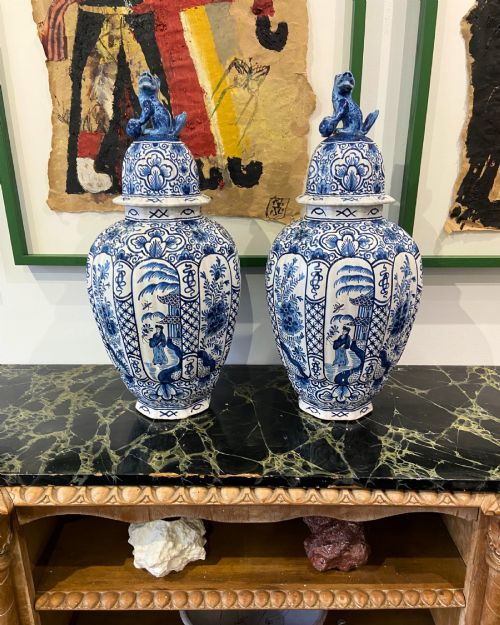
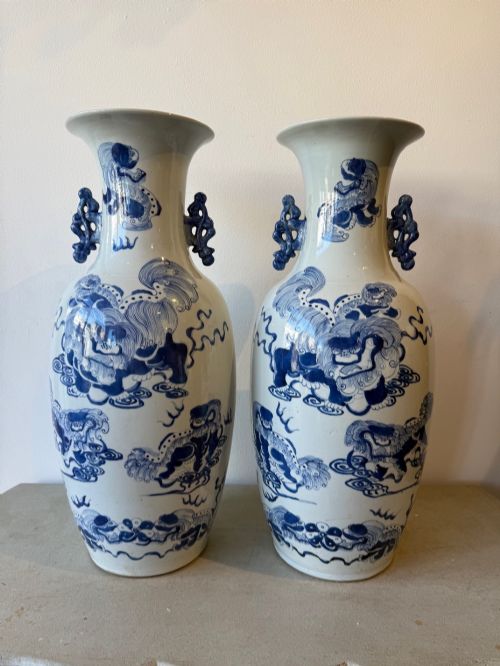
The selection on this page centres primarily on Victorian Staffordshire earthenware pottery, featuring seated spaniels with gilt highlights, poodles with textured coats, and dalmatians with painted spots. Alongside these English fireplace ornaments, the listings include Chinese pottery kylins and figures from the nineteenth century.
How they were made
Firing techniques varied from standard pottery kilns to specialist works producing earthenware and porcelain figures. Many examples incorporate separate front feet or hollow bodies typical of Victorian slip-cast production.
White Pottery Dog Retail Price Guide 2026
Typical asking prices for white pottery dog among the pieces listed under this phrase on Sellingantiques today, from the lower quarter to the upper quarter. They describe what is for sale here now, not the wider market.
Victorian potters occasionally added separate front feet to poodles, giving the illusion of fluffy textured fur modelled straight from life.
What varies in quality
The fineness of the hand painting on the face and coat dictates the visual appeal of each pottery dog. Crisp detailing in the enamel work and clean application of the lead glaze separate standard mantel ornaments from finer modelled figures.
Proportion and modelling sharpness distinguish superior pairs from simpler moulded items. Well-defined facial expressions and carefully applied gilt accents indicate a higher standard of nineteenth-century ceramic craftsmanship.
Thomas Parr·Boness Pottery·Wooley
The White Pottery Dog Glossary
- Earthenware
- Porous pottery fired at lower temperatures and coated with a glaze to ensure it holds water. It serves as the primary material for the majority of nineteenth-century Staffordshire figures.
- Lead glaze
- A glossy coating containing lead oxide applied to ceramic wares before a second firing. This finish creates the smooth, shiny surface characteristic of Victorian dogs.
- Gilt
- A thin layer of gold or gold-coloured material applied to collars, lockets, and highlights. It brings a decorative contrast to the white pottery body.
- Kylin
- A mythical Chinese guardian lion, also known as a Dog of Fo. These glazed pottery figures appear alongside European dogs in the broader ceramic category.
White Pottery Dog: Frequently Asked Questions
Where did white pottery dogs sit?
These ceramic figures traditionally occupied places on either side of the fireplace mantelpiece in Victorian homes. Pairs faced inward toward one another to frame the hearth.
Collectors today continue to display them on mantelpieces, bookshelves, and side tables where their symmetrical pairing creates a balanced decorative arrangement.
Were these dogs always made in pairs?
The majority of Staffordshire pottery dogs were manufactured as matching pairs to sit symmetrically on opposite ends of a mantelpiece. Artisans moulded left-facing and right-facing versions for this specific purpose.
Single figures and money boxes do appear occasionally, though paired spaniels, poodles, and greyhounds remain the most common configuration in historical collections.
What are comforter spaniels?
Comforter spaniels represent the popular type of toy spaniel kept as lap dogs by Victorian nobility and royalty. Staffordshire potters immortalised these pets in earthenware as fireside companions for ordinary homes.
These figures often feature white bodies with black, red, or tan patches, accompanied by gilded collars and intelligent expressions that emulate the live animals.