
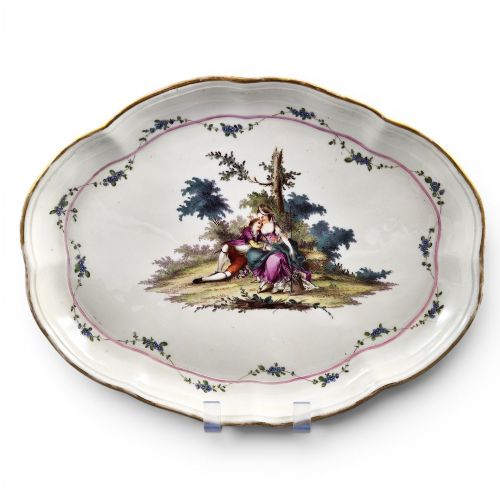


White Porcelain Tray
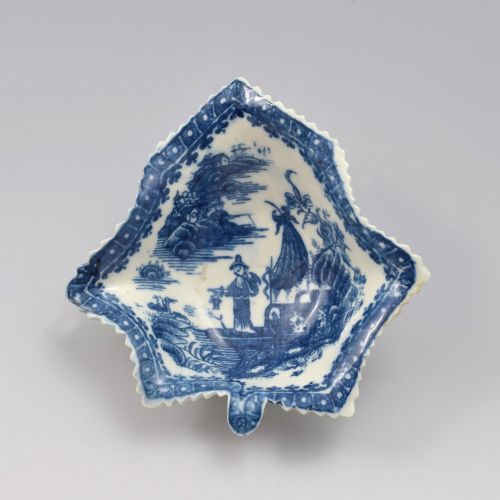
A white porcelain tray brings delicate form and utility to a table, spanning eighteenth-century leaf pickle dishes and nineteenth-century serving platters.
White Porcelain Tray
A white porcelain tray encompasses various functional and decorative forms, including pickle dishes, serving trays, dessert dishes, and platters spanning the eighteenth, nineteenth, and early twentieth centuries.
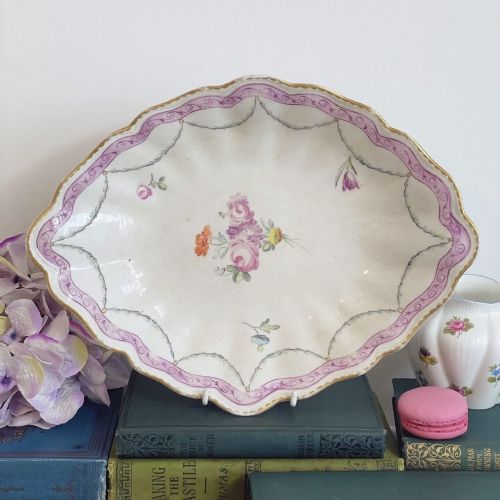
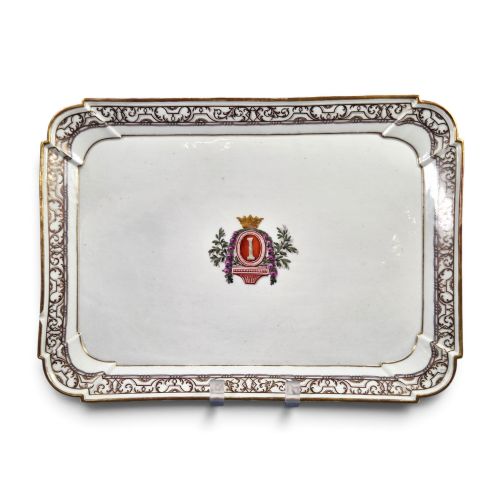
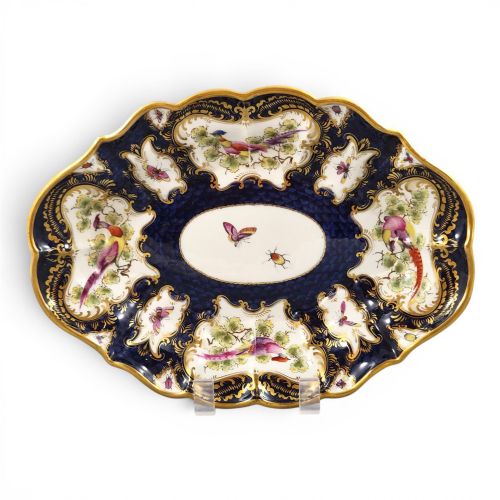
Buyers will encounter eighteenth-century English soft-paste porcelain leaf dishes alongside continental serving pieces, nineteenth-century platters, and Edwardian dessert services.
The category extends from small spoon trays and inkstands to larger rectangular platters and tiered cake stands originating from English, French, German, and Chinese kilns.
Materials and technique
Potters shaped these pieces using hard-paste or soft-paste porcelain clay bodies, sometimes enhanced with tin glazes or clear lead glazes to create a smooth, luminous white surface.
Decoration relied on handpainted polychrome enamels, underglaze blue painting, transfer printing, and applied details such as gold leaf and gilding.
Moulding techniques produced specific organic forms like scallop shells, leaves, and fluted rims, whilst others relied on thrown or cast shapes with hand-finished elements.
One cheerful piece is a porcelain flapper girl cigarette striker from the Art Deco era, adding a touch of playful Jazz Age spirit to the white tray lineage.
Assessing quality
Quality rests on the crispness of the moulding and the finesse of the handpainted decoration, distinguishing finely rendered floral sprays or armorial motifs from simpler production work.
The purity and consistency of the glaze and porcelain body dictate the visual weight and translucency of the piece.
Intact gilding, minimal firing blemishes, and the survival of original factory marks or monograms elevate the standing of a tray.
Royal Worcester·Minton·KPM·Meissen
The White Porcelain Tray Glossary
- Soft-paste porcelain
- A ceramic composition fired at lower temperatures than hard-paste porcelain, popular in eighteenth-century English factories for its warm, slightly creamy white body.
- Pickle dish
- A small, often leaf or shell-shaped serving dish used on dining tables during the eighteenth and nineteenth centuries for condiments or small vegetables.
- Gilding
- The application of gold leaf or powdered gold to ceramic surfaces, used to highlight rims, handles, and painted motifs.
- Chinoiserie
- European decorative motifs inspired by Chinese art and design, frequently appearing on porcelain serving dishes from the eighteenth and nineteenth centuries.
- Ironstone
- A heavy, durable type of ceramic patented in the nineteenth century that bridges the gap between earthenware and porcelain.
White Porcelain Tray: Frequently Asked Questions
What were white porcelain trays used for?
These pieces served practical dining and domestic functions, holding food items like pickles, desserts, or biscuits, as well as acting as spoon trays or desk accessories.
Over time, their decorative qualities shifted them towards display purposes, particularly when featuring handpainted flowers, armorials, or intricate gilding.
How do I date an antique porcelain tray?
Dating relies on examining the characteristics of the porcelain body, glaze opacity, and the painting style, alongside factory marks where present.
Eighty-century pieces often display soft-paste bodies and handpainted polychrome or blue-and-white patterns, whereas nineteenth-century items introduce transfer printing and firmer hard-paste surfaces.
How should I display a porcelain tray?
Smaller leaf dishes and spoon trays suit cabinet display or tabletop placement where their moulded forms remain visible, while larger platters and tiered stands function well on sideboards.
Using specialised stands protects the edges and allows the reverse side and any factory marks to be inspected.
Are these trays suitable for daily use?
While robust enough for occasional serving, antique porcelain trays require careful handling due to the age of the glaze and potential wear on delicate gilding.
Hand washing in warm water without abrasive cleaners preserves the painted decoration and prevents damage to the ceramic body.