



White Porcelain Shade
White porcelain shade lighting turns period ceramic vessels into functional table lamps using historical bodies.
White Porcelain Shade
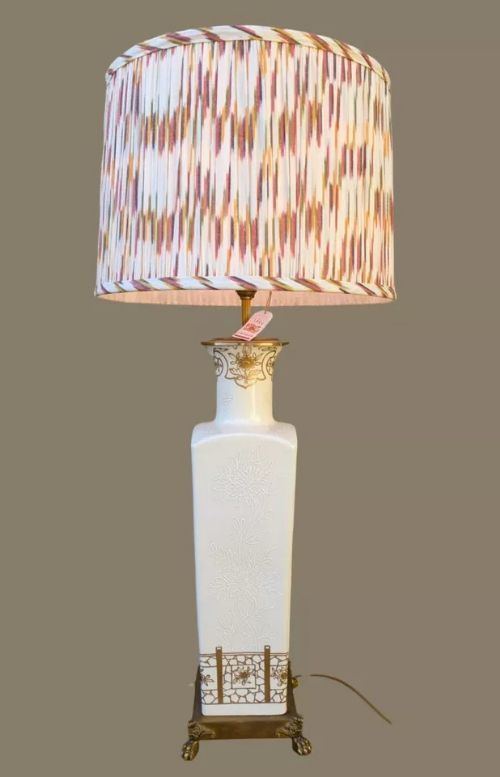
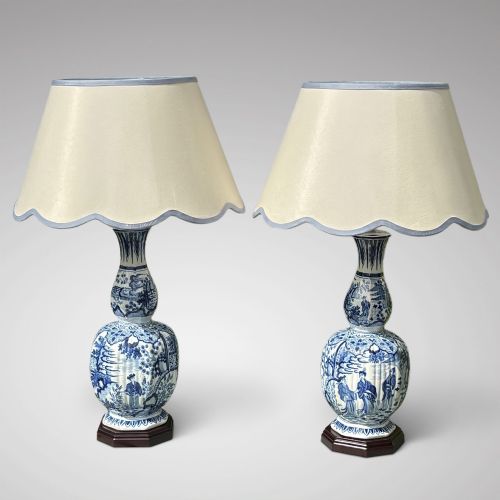
When you search for white porcelain shade, you encounter assembled lighting fixtures built from antique ceramic vessels and vases. These objects span from the seventeenth century through the art deco era, combining historical bodies with modern functional wiring.
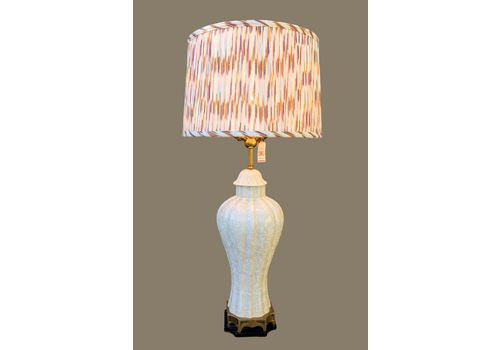
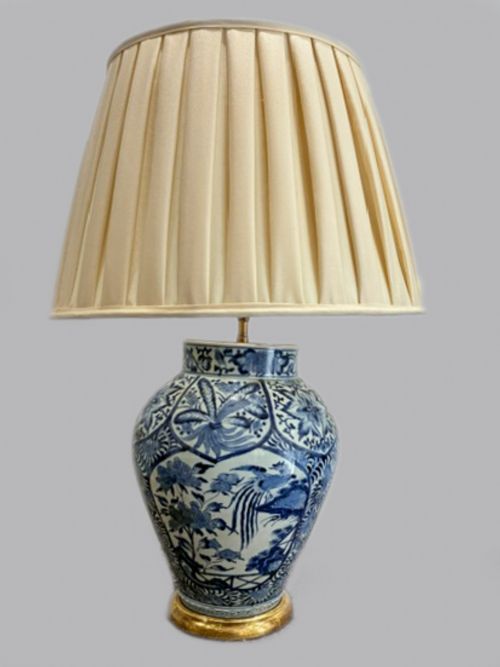
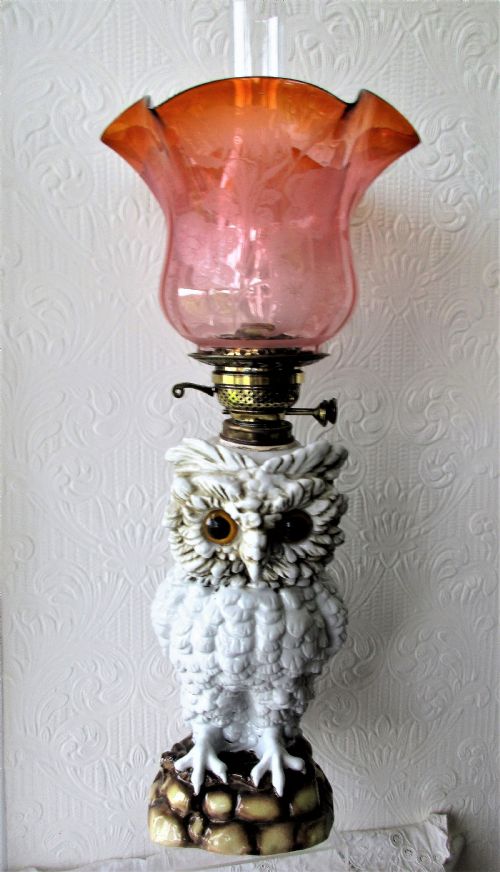
The most common forms on this page are table lamps and converted oil lamps originating from Chinese, Japanese, and European kilns. Many listings feature blue and white decoration, crackleware finishes, or figural porcelain designs mounted on brass or gilt bases.
Origins include Chinese export pieces, Japanese Arita and Yokohama productions, and European factories such as Sitzendorf, Meissen, and Paris ware. These items unite decorative ceramic artistry with domestic illumination.
How they were made
Potters shaped these bodies using traditional ceramic and porcelain techniques, sometimes applying cobalt blue pigments beneath a clear glaze before high-temperature firing. Earthenware and biscuit porcelain also appear among the material records alongside these glazed pieces.
Metalworkers mounted many of these ceramic vases onto brass, ormolu, or gilt bases to stabilise the tall lamp structures. Fabric and silk shades often complete the assembly, paired with electrical fittings adapted from older oil lamp mechanisms.
White Porcelain Shade Retail Price Guide 2026
Typical asking prices for white porcelain shade among the pieces listed under this phrase on Sellingantiques today, from the lower quarter to the upper quarter. They describe what is for sale here now, not the wider market.
The inventory includes table lamps and oil lamps decorated in Chinoiserie, Art Deco, and Victorian styles.
What varies in quality
The distinction between tiers rests upon the fineness of the ceramic body, the crispness of the painted or moulded detail, and the harmony of the metal mounts. Early potting from seventeenth or eighteenth-century kilns displays superior weight and translucency compared to later mass production.
Condition of the porcelain glaze and the integrity of the conversion work define the remaining differences. Pieces retaining their original form without major structural alteration hold greater appeal for collectors of antique lighting.
Sitzendorf·Ernst Bohne and Sohn·Meissen
The White Porcelain Shade Glossary
- Biscuit porcelain
- Unglazed ceramic fired to a hard, matte state that resembles fine marble. It provides a tactile surface often utilised in decorative European table lamps.
- Famille rose
- A palette of opaque enamel colours dominated by pink or rose hues, introduced to Chinese ceramics during the Qing dynasty. These polychrome designs decorate various nineteenth-century vases on this page.
- Arita porcelain
- Japanese ceramic ware produced in the Hizen province and exported extensively through European trading companies. Early examples date back to the seventeenth and eighteenth centuries.
- Delftware
- Tin-glazed earthenware traditionally produced in Dutch and English potteries, emulating Chinese blue and white imports. This style appears on several nineteenth-century table lamps listed here.
White Porcelain Shade: Frequently Asked Questions
What is a white porcelain shade lamp?
These lamps are assembled decorative objects that repurpose antique ceramic vases and jars into functional interior lighting. They combine historical porcelain bodies with wired lamp holders and fabric shades.
Most examples integrate nineteenth-century or earlier vessels originating from Asian and European kilns. The resulting pieces serve as working table lamps while retaining their original ceramic artistry.
How do I date these porcelain lamps?
Dating relies on the potting style, glaze characteristics, and factory marks found on the ceramic body. Stylistic markers such as blue and white painting or crackleware finishes indicate specific historical periods.
Mounts and electrical conversions are usually later additions. Examining the base and the interior fitting helps distinguish the original vessel age from subsequent adaptation work.
Where were these ceramic vessels made?
The vessels originate from diverse manufacturing centres across China, Japan, and Europe. Chinese export kilns and Japanese Arita furnaces produced many of the historic vases.
European factories such as Meissen, Sitzendorf, and various Paris workshops also contributed porcelain bodies. These items travelled internationally before conversion into domestic lamps.
How do I care for antique porcelain lamps?
Dust the porcelain body and shade gently with a dry, soft cloth to prevent surface accumulation. Avoid harsh chemical cleaners that might damage unglazed biscuit porcelain or delicate painted enamels.
Check the electrical wiring periodically to ensure safe operation. Handle the assembled lamp carefully around its brass bases and mounted fittings during repositioning.