


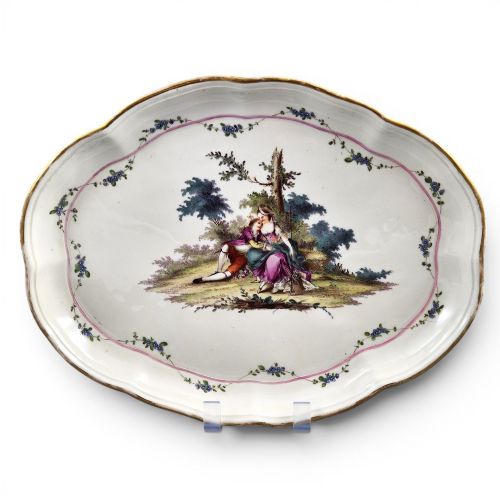


White Porcelain Serving Tray
These white porcelain serving tray examples combine robust utility with delicate hand-painted artistry, offering a refined centrepiece for any table setting.
White Porcelain Serving Tray
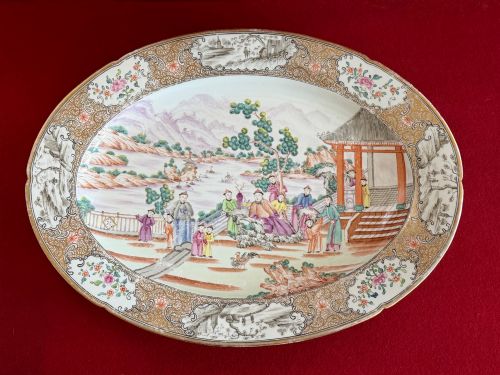
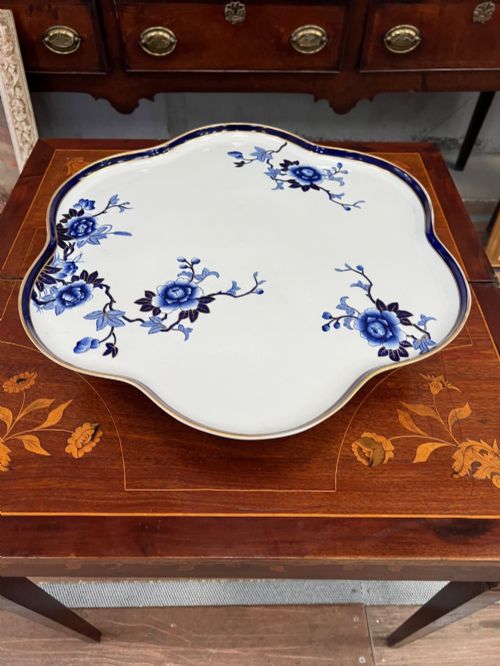
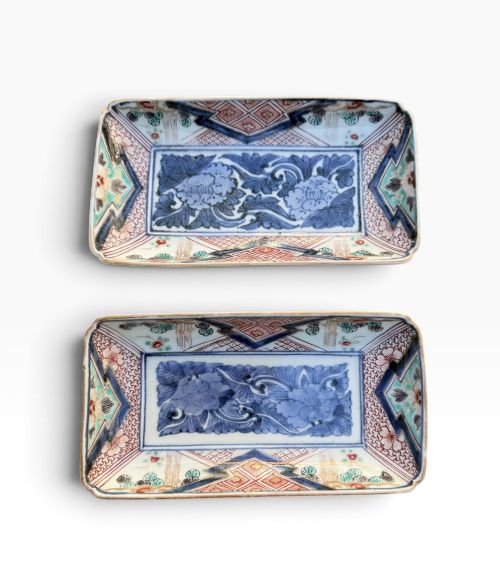
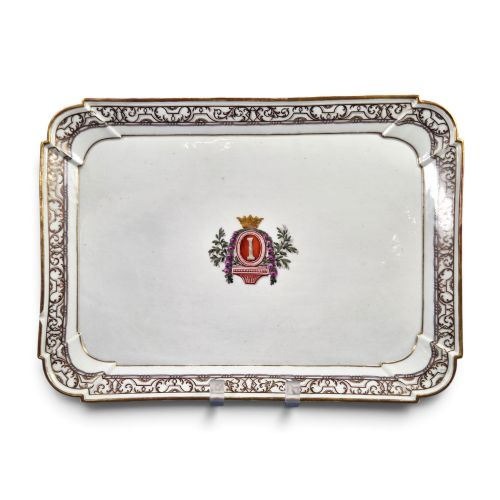
A white porcelain serving tray satisfies both practical dining needs and decorative display, originating from European manufactories and Asian export workshops alike. Buyers seeking a white porcelain serving tray encounter pieces ranging from simple blue and white export platters to heavily gilt nineteenth-century platters.
The selection encompasses rectangular platters, shaped dishes, and large serving dishes spanning the eighteenth and nineteenth centuries. European examples often reflect neoclassical or rococo revivals, while Asian pieces display traditional cobalt painting.
Most items serve double duty as functional serving vessels and decorative wall or cabinet displays. Their durability stems from high-fired ceramic bodies designed to withstand regular use.
How They Were Made
Potters shaped fine white clay into moulds or onto wheels before applying glaze and firing the pieces at high temperatures. Many items feature cobalt underglaze painting applied directly to the raw clay body prior to the gloss firing.
Overglaze enamel colours and gold leaf accents required a subsequent lower-temperature firing to bond pigments permanently to the glazed surface. Hand-painting techniques ensured that floral sprays, monograms, and intricate borders remained crisp and durable.
Specialised workshops utilised regional kaolin deposits, resulting in bodies varying from translucent hard-paste porcelain to porous earthenware ceramics.
White Porcelain Serving Tray Retail Price Guide 2026
Typical asking prices for white porcelain serving tray among the pieces listed under this phrase on Sellingantiques today, from the lower quarter to the upper quarter. They describe what is for sale here now, not the wider market.
The inventory includes Chinese export wares alongside German and English manufactory productions.
What Varies in Quality
Quality rests primarily on the crispness of the porcelain body and the precision of the hand-painted decoration. Finer pieces display meticulously rendered polychrome flowers or cobalt details with minimal kiln specks.
The application of gilding and enamel work distinguishes standard production ware from superior manufactory output. Well-preserved gold leaf and vibrant, unfaded enamels elevate a piece significantly.
Derby·Ludwigsburg Porcelain·Joseph Gaspard Robert·Minton·Paul Muller Selb·KPM·Wedgwood·Meissen
The White Porcelain Serving Tray Glossary
- Porcelain
- A hard, fine-grained ceramic material fired at high temperatures until vitrified. It provides a bright white, impermeable base for hand-painted decoration.
- Glaze
- A glassy coating fused to the ceramic body during firing. It renders the tray waterproof and adds a smooth, reflective finish.
- Cobalt
- A metallic oxide pigment producing an intense blue colour under the glaze. It withstands extreme kiln temperatures without fading.
- Gold Leaf
- Hammered sheets of gold applied to the porcelain surface for decorative highlights. It often accents rims and moulded handles.
- Rococo
- An ornate artistic style characterised by asymmetrical curves, scrollwork, and naturalistic motifs. It heavily influences nineteenth-century revival trays.
White Porcelain Serving Tray: Frequently Asked Questions
Can I use these for food?
Most eighteenth and nineteenth-century pieces function safely for serving dry foods or fruit. Inspect the glaze for any crazing that might absorb liquids over time.
Pieces with extensive overglaze enamel or surface gilding are better reserved for display or light service. Modern detergents can degrade fragile historic enamels.
What is Chinese export porcelain?
Chinese export porcelain refers to wares made in China specifically for Western markets. These items combine traditional Asian manufacturing techniques with European shapes and design motifs.
Cobalt blue decoration is common among these pieces. They arrived in Europe via maritime trade companies during the eighteenth and nineteenth centuries.
How do I date a porcelain tray?
Examine the base for factory marks, painted numbers, or impressed ciphers. Stylistic clues like rococo moulding or transfer-printed patterns also help narrow the manufacturing period.
Comparing the whiteness of the body and the style of hand-painting to known factory outputs provides further chronological evidence.