




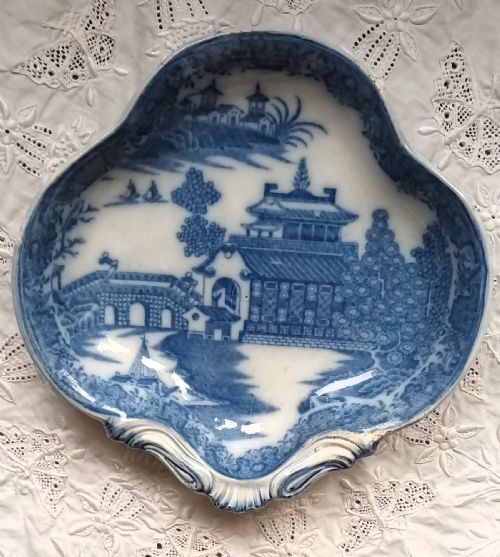


White Pearlware Plate
A white pearlware plate brings domestic history to the table, offering a refined ceramic surface decorated with transfer-printed blue scenes from the Georgian and Regency eras.
White Pearlware Plate
A white pearlware plate is a ceramic tableware item produced primarily during the late eighteenth and nineteenth centuries, spanning the Georgian and Regency periods. These pieces include flat plates, soup plates, serving dishes, platters, and hot-water plates.
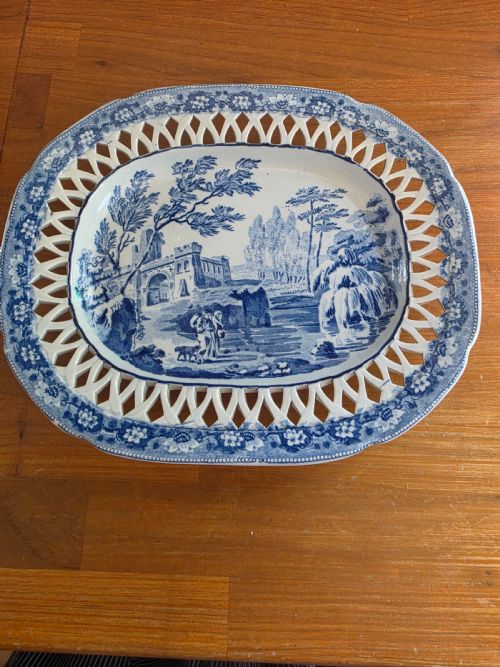
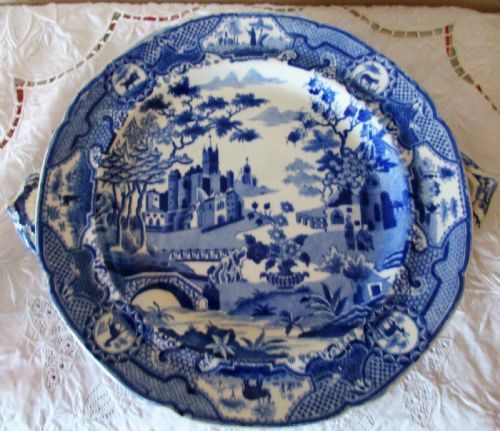
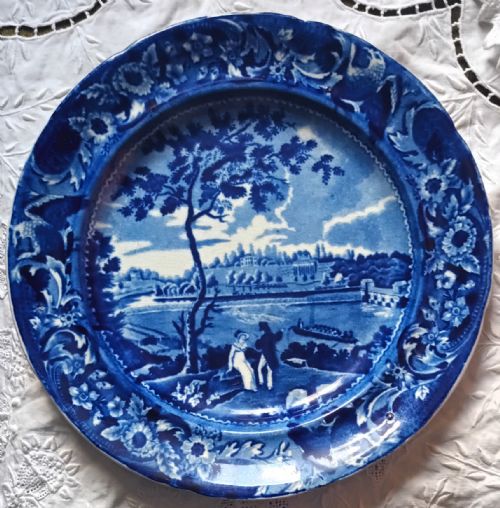
The objects seen here reflect varied domestic uses, from large chargers and bread stands to children's sets and sauce tureen stands. Many examples feature blue and white transfer-printed designs depicting architectural views, pastoral landscapes, and Chinoiserie motifs.
How They Were Made
Potters constructed these items using refined earthenware bodies, applying a specialised glaze that pooled with a characteristic bluish tint in recesses. Cobalt glaze provided the deep blue colour for the transfer-printed patterns.
Decoration relied on copper-plate transfer printing, a technique that allowed intricate topographical views and oriental patterns to be applied smoothly to curved ceramic surfaces prior to firing.
White Pearlware Plate Retail Price Guide 2026
Typical asking prices for white pearlware plate among the pieces listed under this phrase on Sellingantiques today, from the lower quarter to the upper quarter. They describe what is for sale here now, not the wider market.
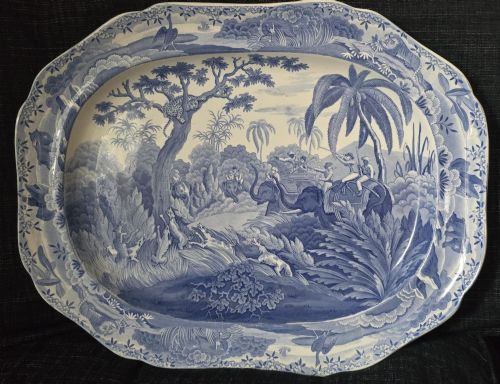
Elephants march across Staffordshire platters, proving that Georgian potters happily placed exotic wildlife straight into British dining rooms.
What Varies in Quality
The distinction between standard domestic items and superior examples rests on the clarity of the transfer print and the crispness of the earthenware moulding. Finer pieces maintain sharp lines in complex pictorial scenes without smudging in the glaze.
The consistency of the ceramic body and the depth of the characteristic blue tint across the surface also differentiate simpler utilitarian wares from exhibition-quality plates and chargers.
Davenport·Spode·Stubbs·William Adams·Thomas Lakin·Brameld and Co·John Rogers and Son·Thomas and John Carey·Wedgwood
The White Pearlware Plate Glossary
- Pearlware
- A refined earthenware developed by British potters around the late eighteenth century, featuring a thin glaze with a slight bluish tinge. This glaze was formulated to make the underlying ceramic body appear whiter than earlier creamware.
- Transfer printing
- A method of decorating ceramics by engraving a design onto a copper plate, pulling the image on tissue, and pressing it onto the biscuit ware. This technique enabled factories to produce complex repeatable patterns quickly.
- Chinoiserie
- A European decorative style inspired by Chinese artistic traditions, frequently depicting imaginary oriental landscapes, pagodas, and figures. It appears widely on blue and white earthenware from the Georgian period.
- Charger
- A large decorative plate or platter used historically for serving food or as a base beneath other dishes. These sizeable pieces often display the most ambitious pictorial transfer prints.
- Tazza
- An elevated shallow bowl or dish mounted on a stem or foot, utilised for serving fruit or sweetmeats at the table. In pottery, these forms match the transfer-printed styles of accompanying dinner services.
White Pearlware Plate: Frequently Asked Questions
What is pearlware?
Pearlware is a type of refined earthenware developed in Britain to rival porcelain, distinguished by a glaze containing a small amount of cobalt that settles blue in crevices.
This subtle tint distinguishes it visually from the warmer tones of earlier creamware and provides the bright white ground essential for blue transfer printing.
Are these plates safe for daily dining?
While these ceramics served everyday dining functions centuries ago, antique pieces are generally collected and displayed rather than used for modern meals.
Age, historical wear, and composition make hand washing and careful preservation the preferred approach for living with these items.
How do I date a pearlware plate?
Dating relies on a combination of ceramic body characteristics, glaze colour, pattern style, and maker marks stamped or printed on the reverse.
Early pieces from around the late eighteenth century often show darker cobalt tones and thicker potting, while Regency and early Victorian examples display finer bodies and lighter glazes.
What do Chinoiserie patterns depict?
Chinoiserie patterns show European interpretations of East Asian landscapes, featuring imaginary architectural structures, bridges, weeping willows, and figures in traditional garb.
These imaginative scenes formed a staple of Staffordshire production during the Georgian era, appearing across plates, dishes, and platters.