


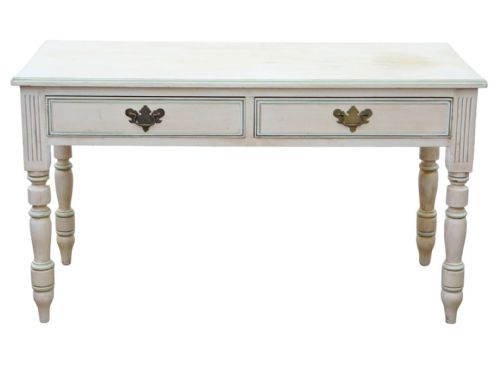


White Painted Hall Table
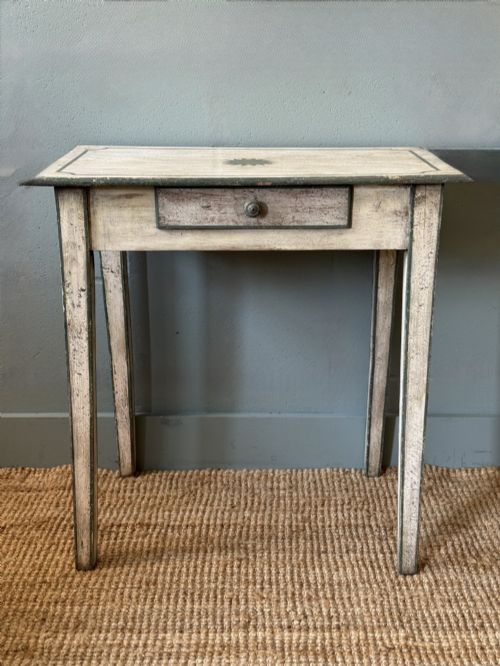
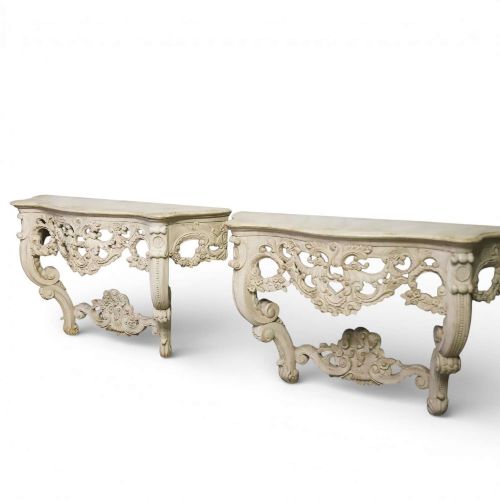
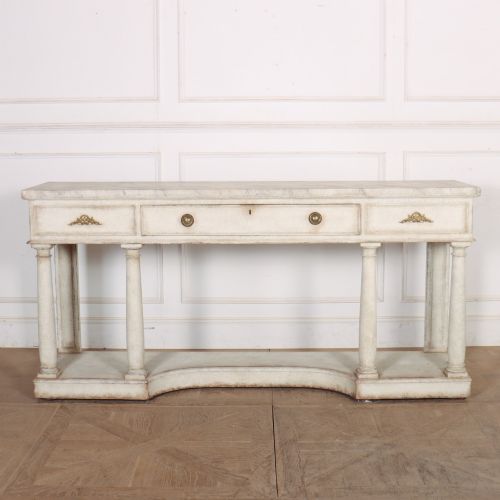
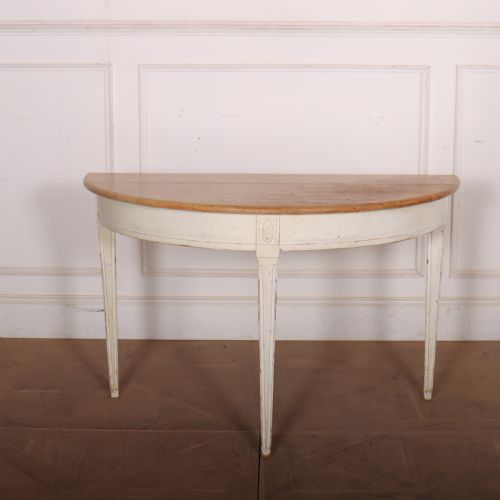
A white painted hall table brings light and proportion to an entryway, drawing the eye with classic painted woodwork and marble.
White Painted Hall Table
When you search for a white painted hall table, you are looking at console tables, side tables, and serving tables designed for narrow entrance spaces. These pieces span the eighteenth century, nineteenth century, and early twentieth century, originating from English, French, Swedish, and Italian workshops.
The most common form you will meet on this page is the nineteenth-century console table, frequently featuring painted pine, gesso, or marble tops. Styles range from French provincial and Gustavian to English country and Neoclassical, often shaped as demi-lune or serpentine fronts.
How they were made
Cabinet makers built these tables primarily using pine and fruitwood, sometimes incorporating walnut or wrought iron for structural support. Surfaces received layers of paint, gesso, and occasionally gold leaf to achieve the desired antique white finish.
Many examples incorporate fitted marble tops resting upon hand-carved wooden bases. Joinery methods relied on traditional woodworking techniques appropriate to the period, from eighteenth-century Baroque designs to Edwardian production.
Listings span the eighteenth, nineteenth, and early twentieth centuries, incorporating painted pine, marble, gesso, and gold leaf.
What varies in quality
The distinction between tiers rests upon the integration of materials, such as the thickness and natural figuring of an inset marble top relative to the hand-carved gesso woodwork beneath. Original paint surfaces carrying appropriate age-related patina hold greater integrity than later repainting efforts.
Proportional harmony and regional styling define the better examples, particularly where Swedish demi-lune or French serpentine forms demonstrate considered joinery and balanced decorative carving rather than basic utilitarian construction.
The White Painted Hall Table Glossary
- Demi-lune
- Half-moon shape. These tables fit flush against an entryway wall to save floor space while offering a display surface.
- Gesso
- Plaster-based preparation material. It is applied to wood surfaces to create a smooth base for painting and gilding.
- Console table
- Table fixed to a wall or supported by front legs. It provides a narrow surface for hallways and living rooms.
- Serpentine
- Wave-shaped curved front. This contour adds visual movement and sophistication to the piece.
- Washstand
- Furniture piece designed for washing utensils. These repurposed tables now function as narrow hall surfaces.
White Painted Hall Table: Frequently Asked Questions
How do I style a hall table?
Keep the surface uncluttered to highlight the painted wood or marble top. A single lamp or decorative bowl works well.
Leave surrounding wall space clear so the table proportions remain the focal point of the entryway.
Are these tables suitable for narrow hallways?
Many console and demi-lune forms are specifically built with shallow depths for tight spaces. They sit flat against the wall.
Check the exact depth measurements to ensure clear passage through your entrance area.
How do I care for antique painted wood?
Dust gently with a soft dry cloth and avoid harsh chemical cleaning products. Moisture can damage aged paint surfaces.
Keep tables away from direct heat sources to protect the wood and gesso from cracking.
What is the difference between a console and a side table?
Console tables traditionally anchor against a wall, sometimes requiring wall fixings for stability. Side tables stand independently on four legs.
Both serve similar functional roles in an entryway depending on the available floor space.