




White Opaline Glass Light
A white opaline glass light brings a soft, milky glow to a room, combining practical illumination with the subtle texture of historic glass.
White Opaline Glass Light
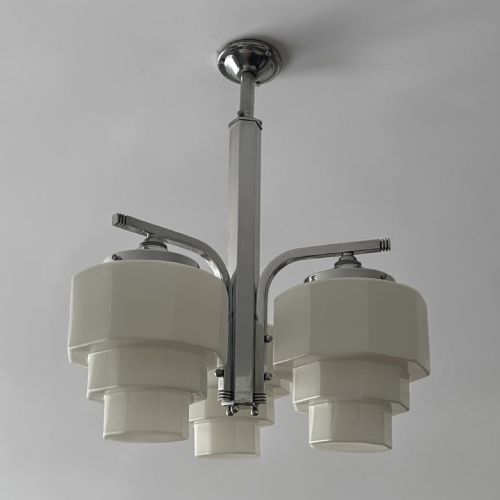
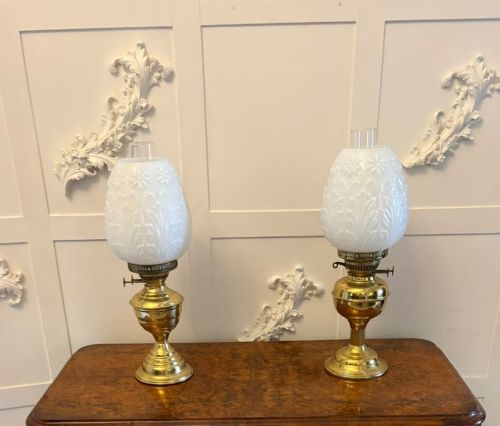
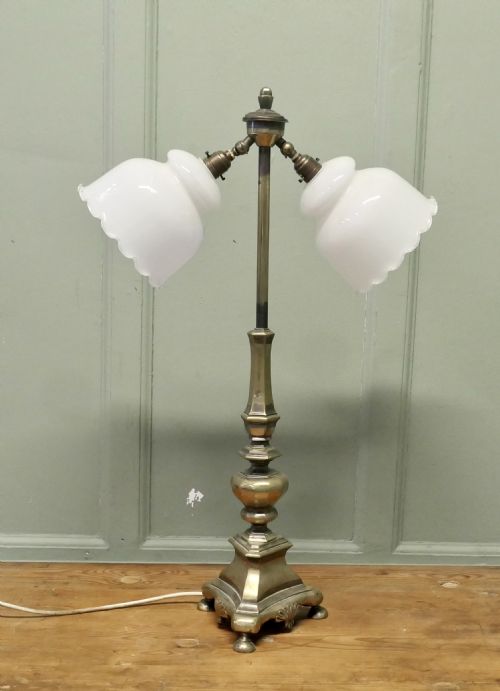
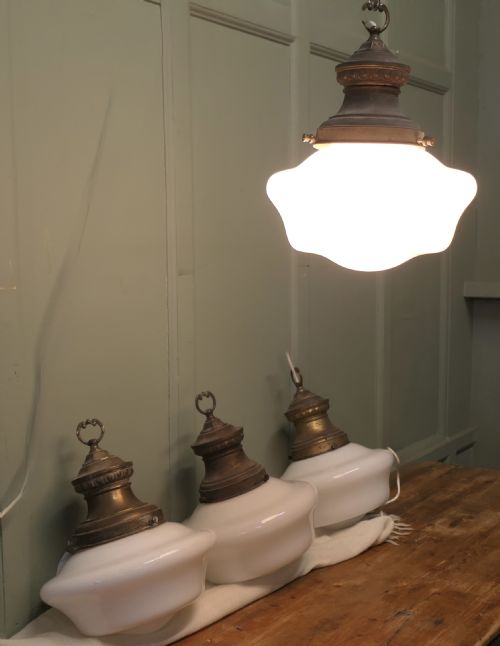
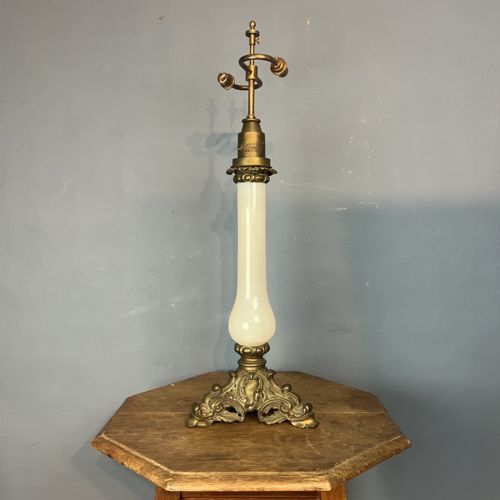
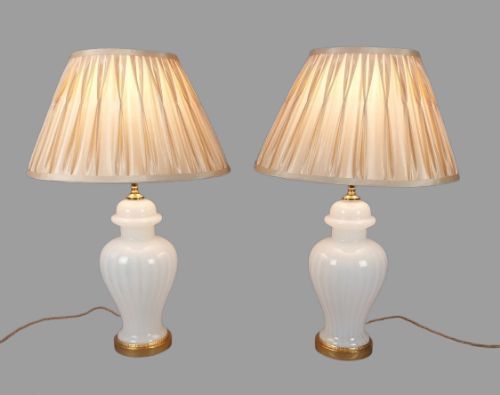
A white opaline glass light takes several forms across this selection, appearing most frequently as ceiling pendants, hanging shades, and converted oil lamps. These pieces span from the mid-nineteenth century through the Edwardian period and into the Art Deco and 1930s eras.
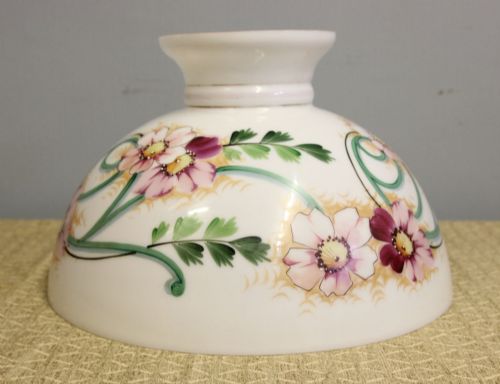
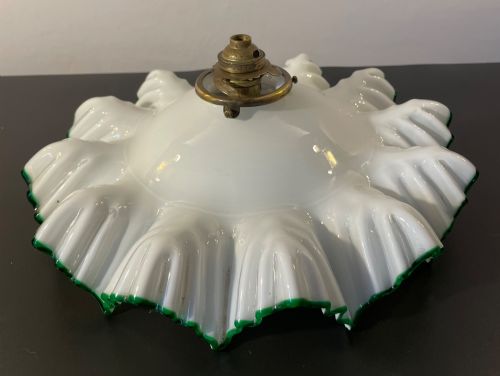
The assortment includes specialised designs such as frill lampshades, conical pendants, fish scale patterns, and large chapel lights alongside standard table lamps and ceiling lights. Victorian and Edwardian examples often pair the glass with brass or gilt mounts, while later 1930s pieces lean towards industrial or streamlined pendant configurations.
Originating largely from French and English workshops, these items serve both functional and decorative roles in interiors. Buyers encounter everything from small reading lamps to substantial ceiling fixtures, reflecting diverse stylistic influences from Neoclassical to Mid-Century Modern.
How they were made
Makers produced white opaline glass by adding bone ash or metal oxides to the molten batch, creating its characteristic opaque, milk-white appearance that diffuses light evenly. Craftsmen then shaped the glass through blowing and moulding, sometimes forming specialised contours like reeded surfaces or frilled edges.
Metalwork forms an integral structural component for these lights, utilising cast and turned brass, bronze, chrome, or ormolu. Workshops mounted the glass shades securely into these metal collars, burner assemblies, or suspension fixtures using threaded fittings and screws.
Listings feature opaline glass lights combined with brass, bronze, chrome, and enamel across Victorian, Edwardian, and Art Deco styles.
What varies in quality
Quality in a white opaline glass light rests on the density and visual depth of the glass itself, distinguishing superior pieces by their smooth, even opacity and subtle translucency when illuminated. Lesser examples display uneven thickness or muddy streaks within the material.
The refinement of the accompanying metal mounts dictates the upper tier of the range, where heavy cast brass, bronze, or gilt detailing demonstrates superior craftsmanship compared to plain or lightweight pressed metal fittings. Stamped maker marks and patent details further elevate a piece by confirming its origin and period integrity.
JOSEPH HINKS·WILD & WESSEL·Mc Gary
The White Opaline Glass Light Glossary
- Opaline glass
- A semi-opaque white glass developed to diffuse light gently without glare. It gained widespread popularity during the nineteenth and early twentieth centuries for lighting and decorative objects.
- Pendant light
- A hanging light fixture suspended from the ceiling by a cord, chain, or metal rod. These items direct illumination downward into a space.
- Table lustre
- A decorative glass or porcelain mantel ornament featuring hanging glass prisms. French makers often produced these alongside matching table lighting.
- Oil lamp
- A lighting device that burns liquid fuel via a wick, usually housed in a glass or metal reservoir. Many antique examples undergo conversion to electricity for modern use.
White Opaline Glass Light: Frequently Asked Questions
How do I clean my opaline glass light?
Wash the glass shade gently in warm soapy water using a soft cloth, avoiding abrasive pads that might scratch the surface.
Dry the metal components separately and thoroughly to prevent tarnish or corrosion on the brass and bronze fittings.
How do I date a white opaline light?
Examine the hardware style, screw threads, and mounting techniques, as Victorian and Edwardian pieces utilise heavier cast brass than later 1930s industrial designs.
Patent stamps, maker signatures, and distinct stylistic cues like Art Deco chrome twists or Victorian frills also help narrow down the production period.
Are all white opaline lights French?
While many decorative table lustres, frill shades, and decorative pendants originate from France, English makers produced substantial quantities of oil lamps and ceiling lighting.
Stylistic details and mounting construction frequently indicate whether a piece emerged from an English workshop or a continental source.