




White Marble Classical Figure
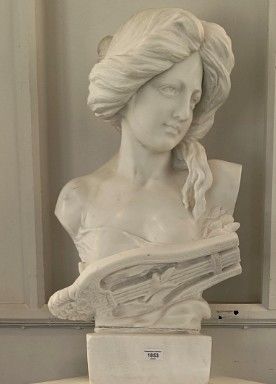
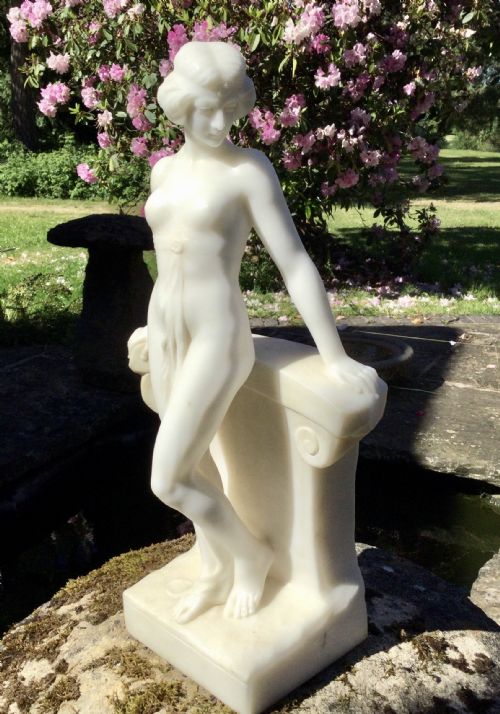
When you search for a white marble classical figure, you enter a world of carved stone deities, mythological heroes and literary heroines sculpted across the nineteenth century.
White Marble Classical Figure
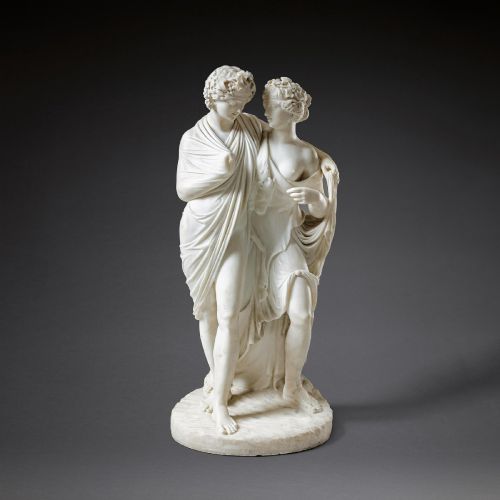
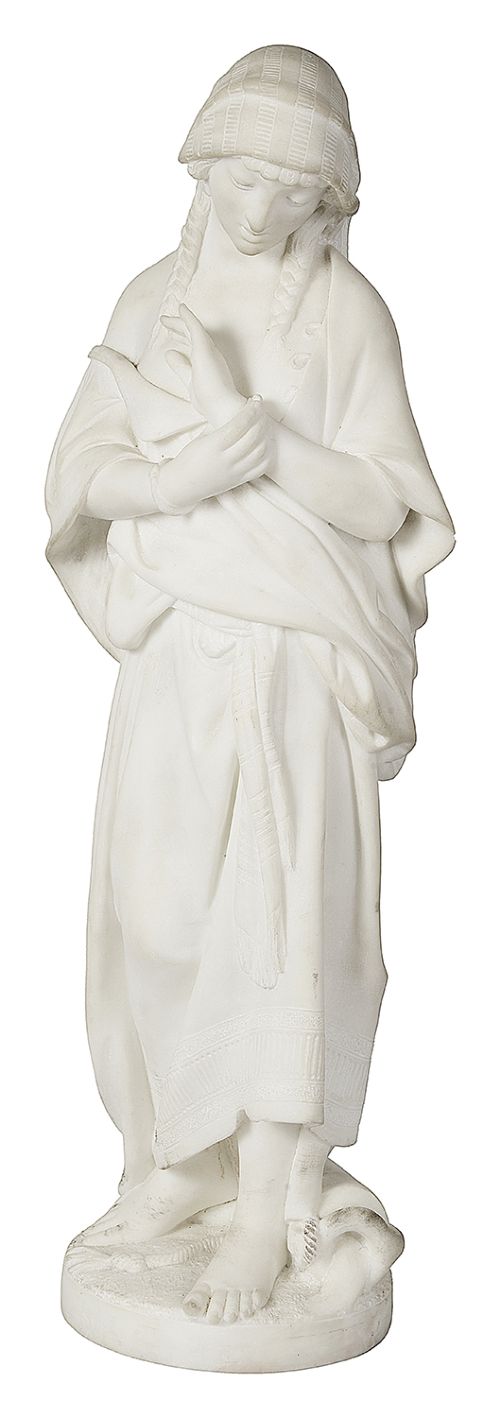
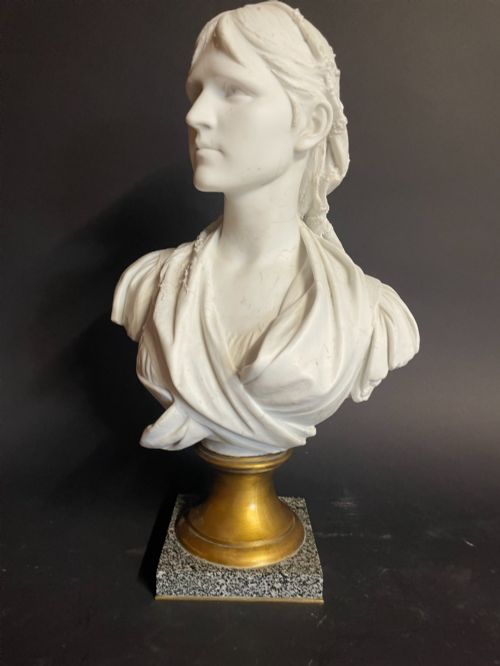
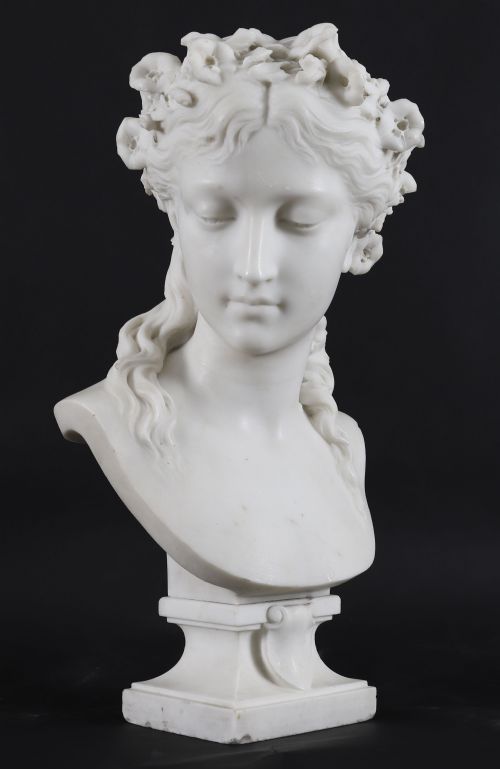
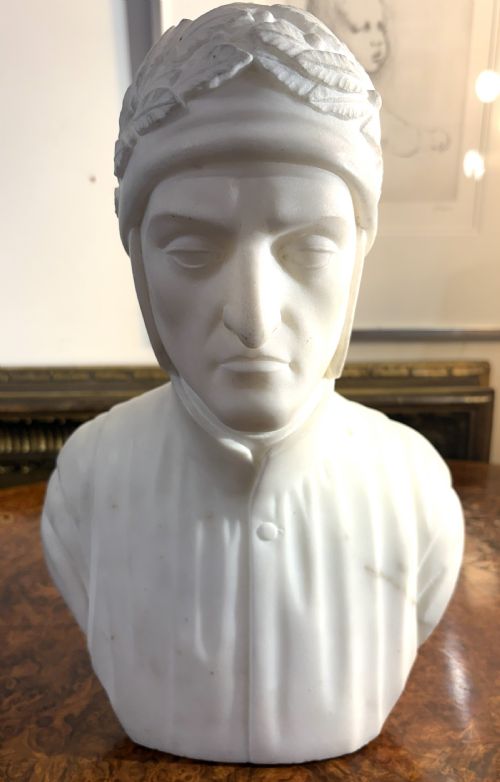
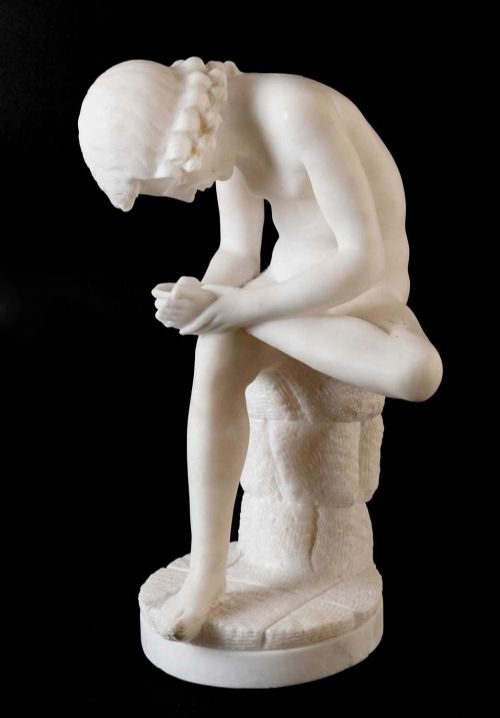
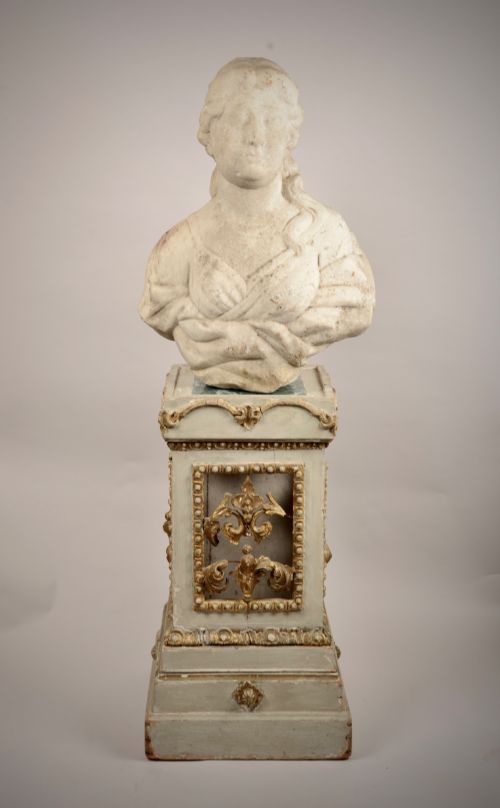
A white marble classical figure takes the form of carved marble sculptures, portrait busts, and grand tour souvenirs depicting mythological subjects, historical personages, and literary heroines. These works draw heavily upon antique Greek and Roman models, reflecting the nineteenth-century fascination with classical antiquity.
The most common examples encountered on this page originate from Italian and French workshops of the nineteenth century, ranging from large gallery statues to cabinet-sized library busts. Makers utilised fine-grained materials such as Carrara marble and alabaster to achieve smooth, luminous flesh tones and crisp drapery.
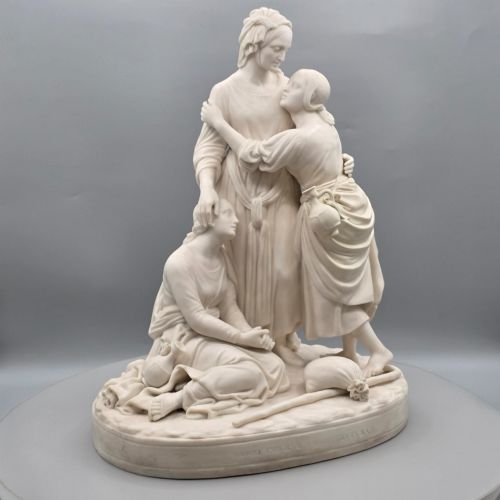
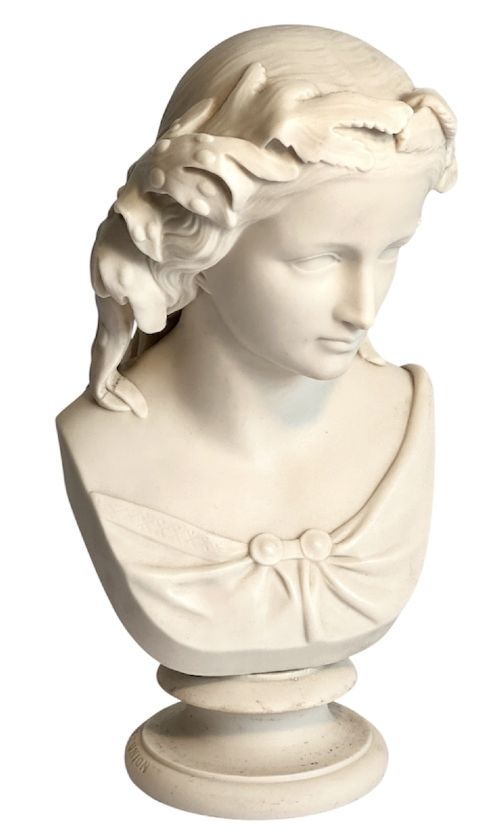
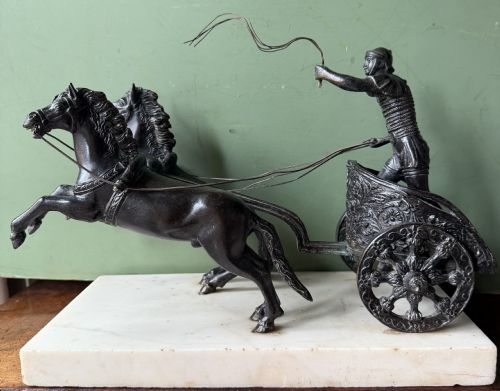
Alongside solid stone carvings, collectors frequently encounter related sculptural mediums including Parian porcelain groups and bronze figures mounted upon marble plinth bases. These alternative materials allowed nineteenth-century potteries and foundries to distribute reductions of famous museum sculptures to a wider domestic market.
How they were made
Carvers shaped white marble, Carrara marble, and alabaster using traditional masonry and chiselling techniques, often employing pneumatic or hand-driven pointing machines to transfer proportions from clay models to the stone block. The final surfaces received meticulous hand-polishing to create a translucent, lifelike finish that imitated classical Greek originals.
Makers of Parian porcelain utilised specialised slip-casting methods in ceramic moulds, firing the fine biscuit porcelain at high temperatures to achieve a matte texture closely resembling carved marble. Bronze elements were produced via the lost-wax casting process, subsequently hand-chased and mounted onto turned marble bases or ormolu mounts.
Current listings feature nineteenth-century works spanning the neoclassical, Victorian, and Art Nouveau styles in marble, alabaster, bronze, and Parian porcelain.
What varies in quality
The degree of anatomical precision and the depth of undercut in the drapery separate standard decorative carvings from masterworks. Superior sculptors rendered hair, musculature, and facial expressions with subtle realism rather than flat, formulaic symmetry.
The choice of raw material significantly influences the desirability of a piece. Fine, unblemished Carrara marble or translucent alabaster commands greater regard than stone marred by heavy grey veining or natural mineral inclusions across the face of the figure.
Carlo Albacini·Barranti Florence·Minton·Copeland·Eugene Aizelin·Antonio Canova·Carrier Belleuse·Fritz Kochendorfer·Antonio Frilli·Pugi
The White Marble Classical Figure Glossary
- Grand Tour
- A cultural journey undertaken by wealthy young Europeans through France and Italy to study classical antiquities. Souvenirs from these travels included miniature marble and bronze sculptures.
- Parian Porcelain
- A fine-grained, unglazed biscuit porcelain developed in Victorian Britain to replicate the appearance of white marble. It was widely used for literary and mythological portrait busts.
- Neoclassical
- An artistic movement spanning the eighteenth and nineteenth centuries that drew direct inspiration from the art and culture of ancient Greece and Rome. This style prioritises clean lines, heroic subjects, and balanced proportions.
- Bust
- A sculpted representation of a person from the chest or shoulders up. These pieces frequently depicted literary figures, historical personages, or classical deities in libraries and drawing rooms.
White Marble Classical Figure: Frequently Asked Questions
How do I clean white marble?
Dust the surface regularly with a soft, dry microfibre cloth to prevent particulate buildup in the carved recesses.
Avoid household detergents, abrasive cleaners, or excess water, which can stain or etch the porous stone permanently.
What is Parian porcelain?
Parian porcelain is a type of fine, unglazed ceramic developed during the Victorian era to mimic the appearance of carved white marble.
It allowed potteries to issue affordable miniature versions of classical statues and literary busts for home display.
Are these pieces antique?
The majority of these sculptures originate from the nineteenth century, spanning the neoclassical and Victorian periods.
Many were produced as European grand tour souvenirs or by prominent British and continental ceramic manufacturers.
How were grand tour sculptures made?
Italian artisans carved these cabinet-sized reductions by hand from blocks of local alabaster or Carrara marble.
They served as portable reminders of famous classical statues housed in European museums and private collections.