



White Ironstone Pottery
White ironstone pottery delivers the sturdy utility and striking display presence that homeowners and collectors seek for domestic interiors.
White Ironstone Pottery
White ironstone pottery encompasses heavy earthenware and stoneware forms designed for robust domestic and commercial service during the nineteenth and early twentieth centuries. When searching for white ironstone pottery, buyers encounter practical kitchen wares, dairy collectables, and grand display items produced across various British periods.
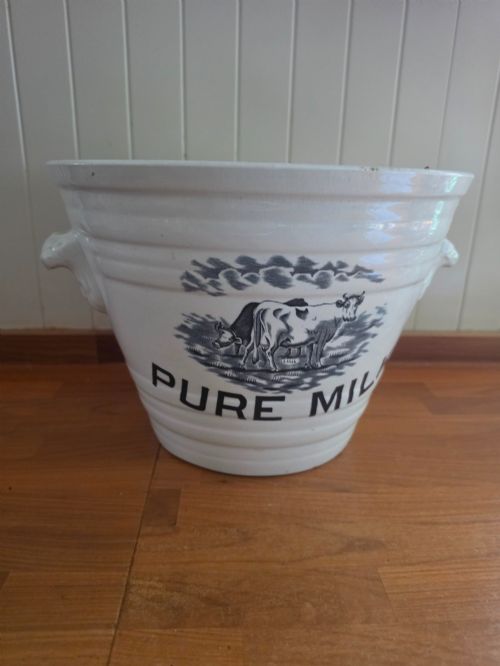
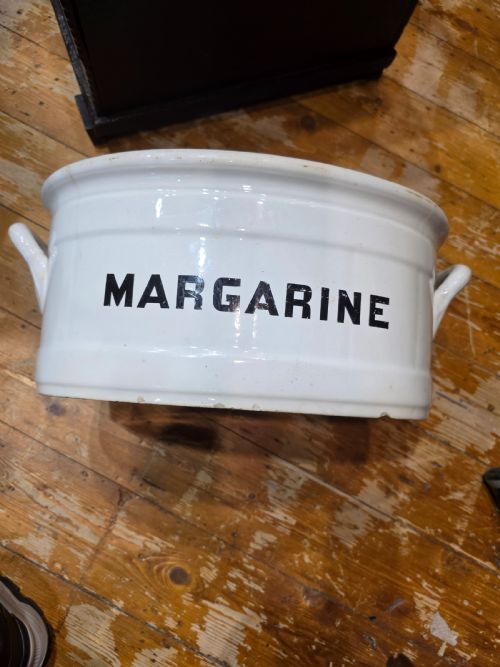
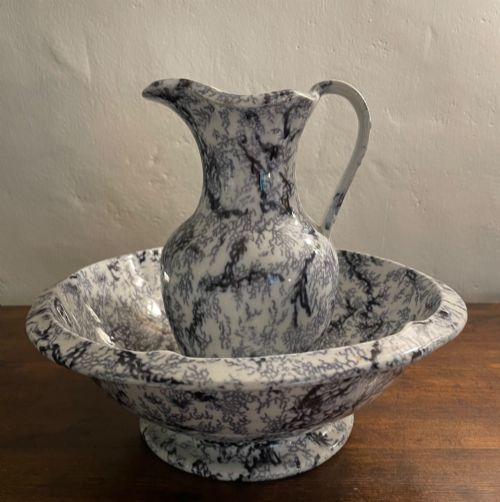
The selections span functional pieces such as cheese domes, wash basins, and grocers slabs alongside decorative pedestals, pitchers, and jugs. Victorian examples dominate the available inventory, reflecting the heavy industrial output of that era.
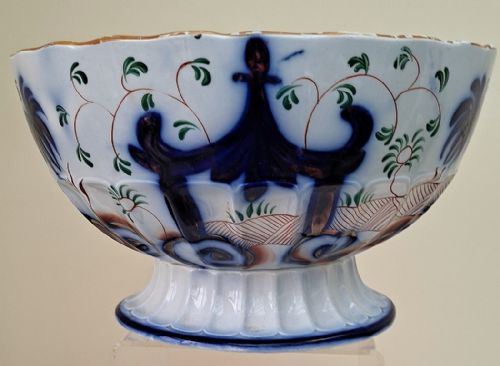
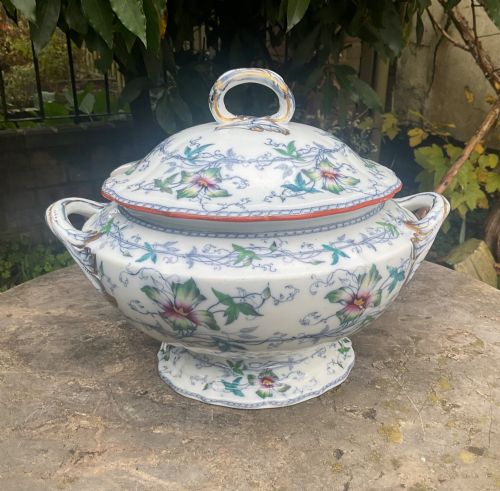
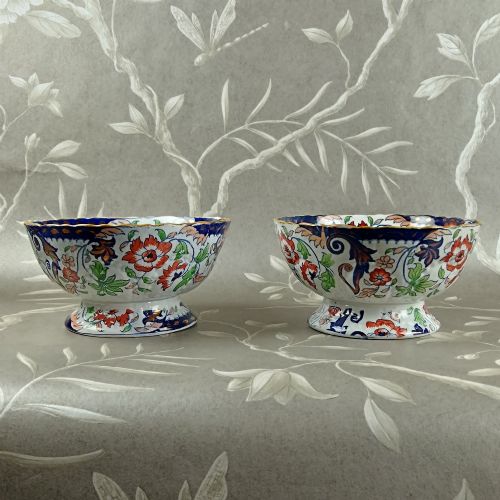
Makers utilised durable ceramic bodies, often applying transfer prints, gilding, or enamel decoration to both utilitarian vessels and elaborate tableware. Collectors find everything from plain utilitarian butter slabs to ornate Chinoiserie and Imari decorated bowls.
Materials and production methods
Potters manufactured these items using dense ceramic bodies composed of ironstone and stoneware clays, which offered superior strength compared to standard earthenware. This heavy paste allowed workshops to fire large pieces, such as cheese dishes and wash basins, that could withstand rigorous daily use in commercial and domestic settings.
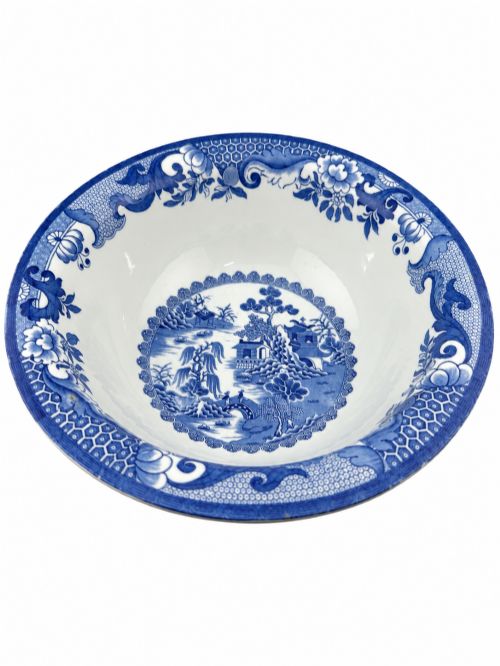
Artisans finished the ceramic surfaces with thick, glossy glazes that protected the body and provided a clean white background for transfer printing or enamel painting. Selected pieces received hand-applied gilding or intricate blue and white transfer patterns depicting botanical and architectural motifs.
White Ironstone Pottery Retail Price Guide 2026
Typical asking prices for white ironstone pottery among the pieces listed under this phrase on Sellingantiques today, from the lower quarter to the upper quarter. They describe what is for sale here now, not the wider market.
Object forms span practical dairy collectables, wash basins, cheese domes, and decorative pedestal bowls.
Assessing quality in the range
Quality differences emerge in the crispness of the transfer printing and the precision of hand-painted enamel details applied over the glaze. Superior pieces exhibit well-defined patterns, smooth glaze coverage without excessive pooling, and balanced proportions in moulded forms like hydra jugs and pedestal bowls.
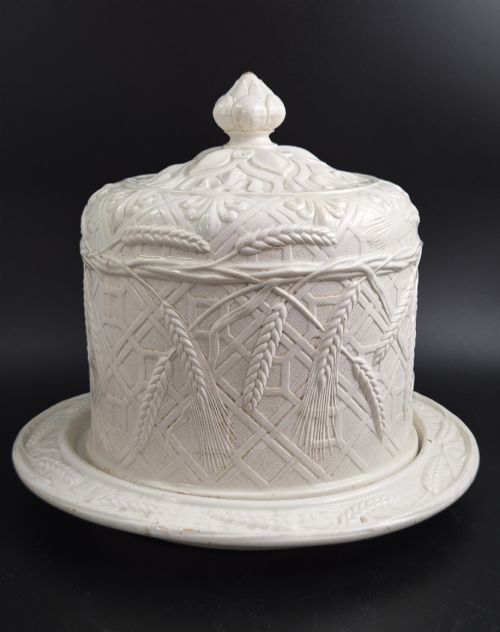
The refinement of the ceramic body and the complexity of the moulded decoration separate standard utilitarian wares from ambitious decorative items. Exceptional examples maintain sharp relief details in patterns such as wheat and lattice, showing minimal wear to any accompanying gilding.
Mason's Ironstone·John Ridgway·Livesley Powell And Co·Spode·Copeland
The White Ironstone Pottery Glossary
- Ironstone
- A heavy, durable type of earthenware patented in the nineteenth century to imitate porcelain while offering greater strength. It forms the core body for many utilitarian and decorative vessels.
- Transfer print
- A decoration method where an engraved design is pulled on paper from a copper plate and transferred onto the ceramic surface before glazing and firing. This technique allowed for consistent reproduction of complex patterns.
- Cheese dome
- A specialised ceramic cover and matching stand designed to protect cheese on the dining table. These pieces often feature elaborate moulded decoration such as pagoda motifs or agricultural patterns.
- Stoneware
- A high-fired ceramic material that is dense, impermeable, and robust. It resists chipping and staining effectively.
- Gilding
- The application of gold leaf or gold paint to ceramic surfaces for ornamentation. It highlights moulded details on higher-end tableware.
White Ironstone Pottery: Frequently Asked Questions
What is white ironstone pottery?
White ironstone pottery is a dense, durable ceramic material developed in the nineteenth century to provide strong tableware and kitchen vessels.
Potters shaped this heavy earthenware into practical items like wash basins, cheese domes, and grocers slabs that survived generations of heavy use.
How were cheese domes used?
Cheese domes served to keep cheese fresh on the dining table by covering the block with a fitted ceramic lid and matching stand.
These large pieces often featured decorative moulded patterns such as wheat, lattice, or architectural pagodas to suit formal Victorian dining.
How do I identify Victorian pieces?
Victorian pieces typically display heavy ceramic bodies, distinct nineteenth-century registry marks or maker stamps, and characteristic forms like hydra jugs.
Reviewing the listed periods and specific stylistic details such as transfer printing helps distinguish nineteenth-century examples from later Edwardian productions.
Can I use these items daily?
Most pieces were originally built for rigorous domestic or commercial service and possess robust ceramic structures suited to careful modern handling.
Collectors often balance practical appreciation with preservation, noting that items with delicate gilding or enamel work require gentler care.