


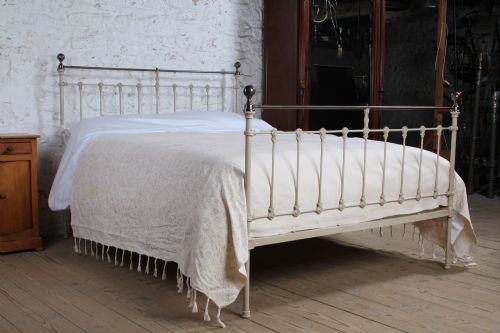


White Iron Bed
A white iron bed offers a clean, sturdy silhouette and period character, bringing classic charm and solid metal construction directly into the bedroom.
White Iron Bed
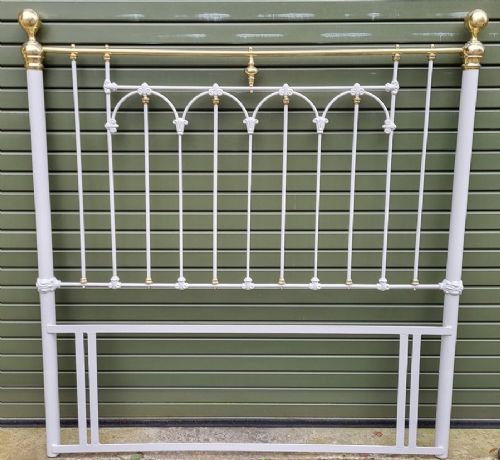
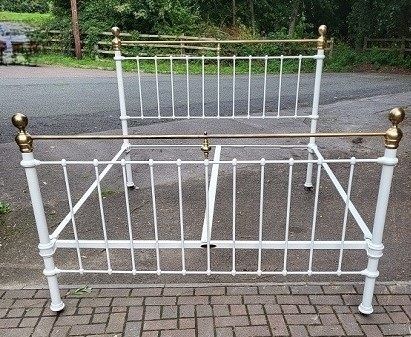
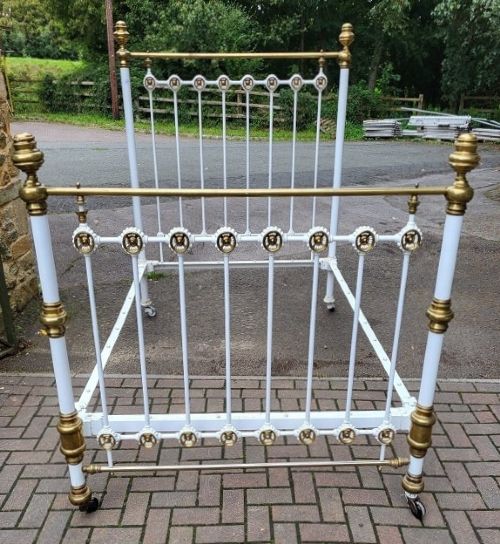
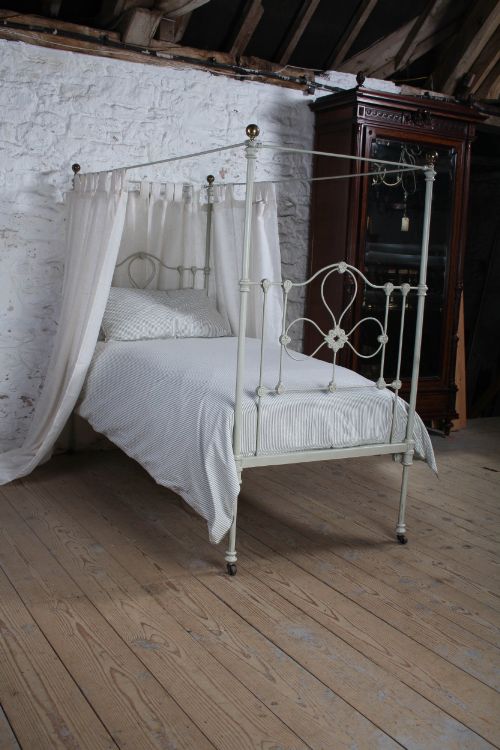
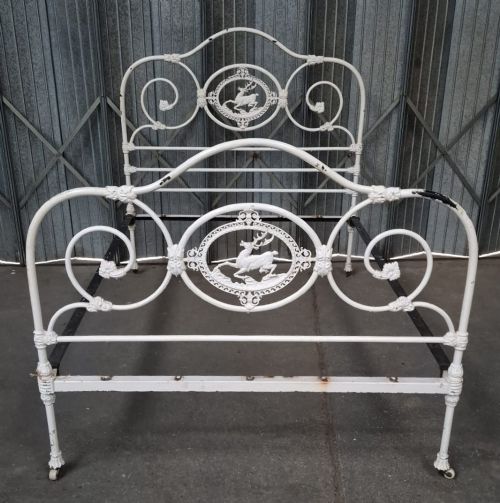
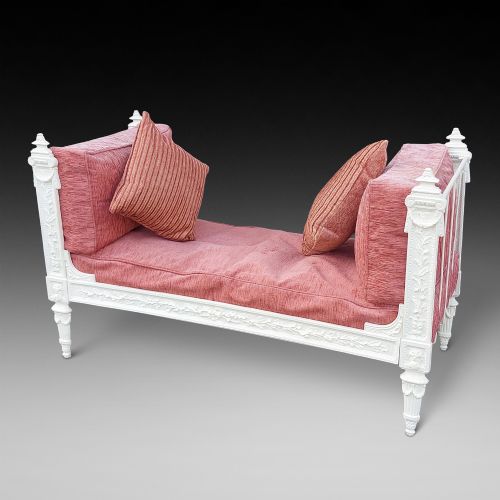
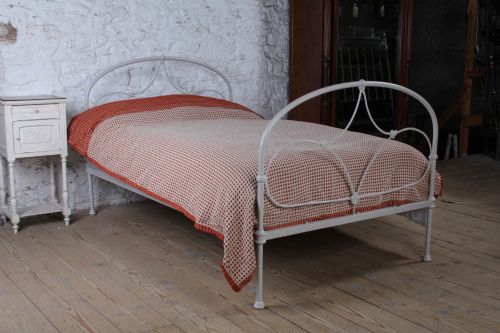
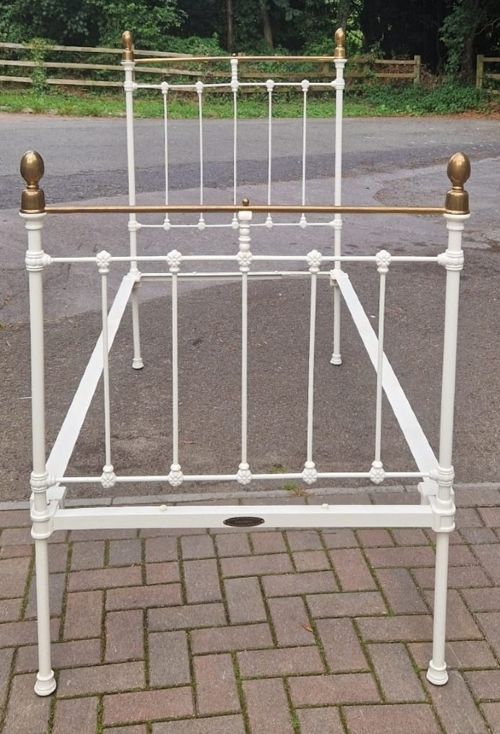
When you search for a white iron bed, you are looking at substantial metal bed frames originating mainly from the nineteenth century, including the Victorian era and around nineteen hundred. These pieces span single beds, daybeds, and larger double or king sizes, often combined with gleaming brass details.
How they were made
These bedframes rely on cast iron, wrought iron, and forged iron for their structural strength and rigidity. Artisans shaped these metals into substantial rails and decorative scrolls before applying protective layers of paint.
Many examples incorporate polished brass components, such as knobs and top rails, which contrast sharply against the painted iron frame. Selected pieces also integrate fabric elements or specialised mattresses suited to the period.
White Iron Bed Retail Price Guide 2026
Typical asking prices for white iron bed among the pieces listed under this phrase on Sellingantiques today, from the lower quarter to the upper quarter. They describe what is for sale here now, not the wider market.
Listings span the Victorian era, eighteen-fifty, eighteen-seventy, and nineteen hundred, utilising iron, brass, paint, and fabric.
What varies in quality
The distinction between tiers rests upon the complexity of the ironwork and the crispness of the castings. Ornate scrollwork and robust structural joints demand greater skill than simpler, utilitarian frames.
Heals
The White Iron Bed Glossary
- Bedstead
- The complete framework of a bed, including the headboard, footboard, and side rails. This term frequently describes antique iron and brass sleeping furniture.
- Daybed
- A versatile piece of furniture functioning as a sofa during the day and a bed at night. These often feature an open iron back and single end design.
- Half Tester
- A bed with a partial canopy extending only partway over the head of the bed. This decorative feature is typically supported by upright posts attached to the headboard.
- Cast Iron
- Iron poured into a mould to create rigid shapes and ornamental details. It forms the heavy structural components of many nineteenth-century beds.
- Forged Iron
- Metal shaped through heating and hammering by a blacksmith. This technique produces strong, individual structural elements with visible tactile character.
White Iron Bed: Frequently Asked Questions
What is a white iron bed?
A white iron bed is a nineteenth-century metal bedstead finished with a white painted surface, often accented with polished brass details.
These frames range from compact single sizes and daybeds to generous king and super king proportions.
How do I choose the right size?
Consider the available floor space in your room and whether you need a single, small double, double, or king size frame. Some listings also offer pairs that can be joined together.
Check the specific dimensions in each listing to ensure compatibility with modern standard mattresses.
How do I care for the painted finish?
Dust the iron frame regularly with a soft, dry cloth to prevent the accumulation of dirt on the painted surfaces. Avoid harsh chemical cleaners that might damage the historic white paint.
Polishing the brass elements separately with an appropriate metal cleaner will maintain their brightness against the white iron.
Can these beds hold modern mattresses?
Most of these antique frames accommodate standard mattress sizes, though exact historical dimensions can occasionally vary slightly. It is sensible to check the internal width and length measurements provided.
Some pieces include supportive bases or custom mattresses already fitted to the historical proportions.
How do I date a Victorian iron bed?
Dating relies on stylistic clues, construction techniques, and assembly methods characteristic of the nineteenth century. Victorian pieces often display registration marks, specific maker stamps, or distinct casting styles.
Simpler utilitarian frames typically date from the mid-nineteenth century, while more ornate or eclectic revivals frequently point towards eighteen-eighty and nineteen hundred.