

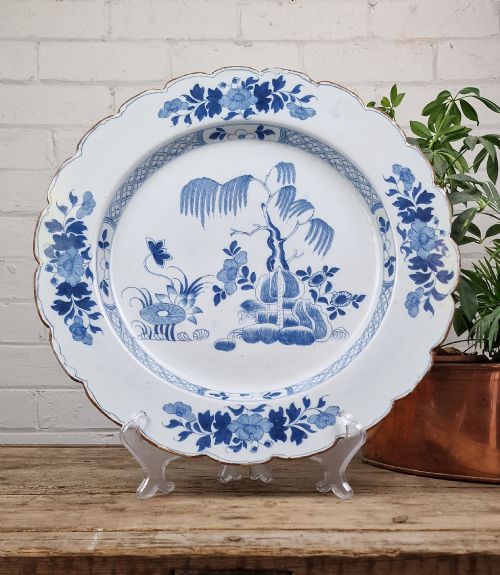


White Glazed Ceramic Platter
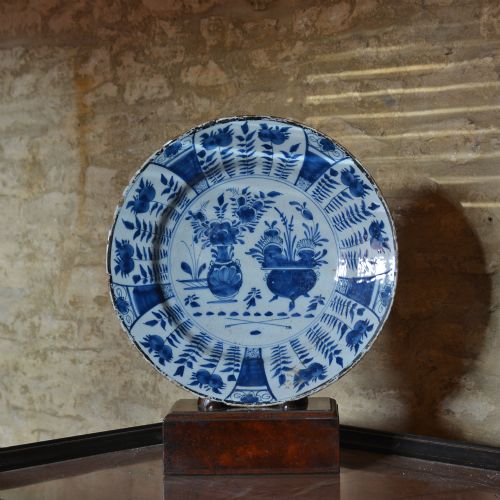
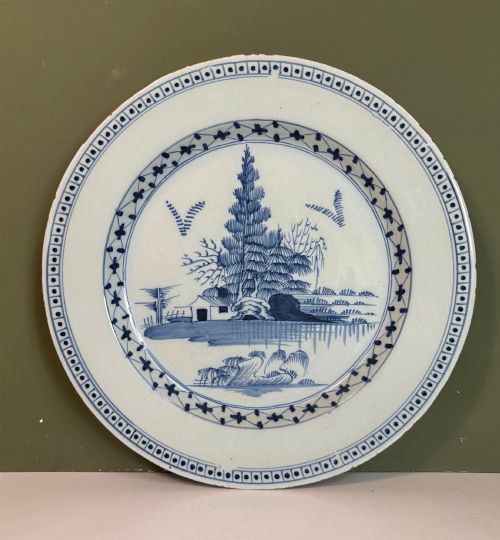
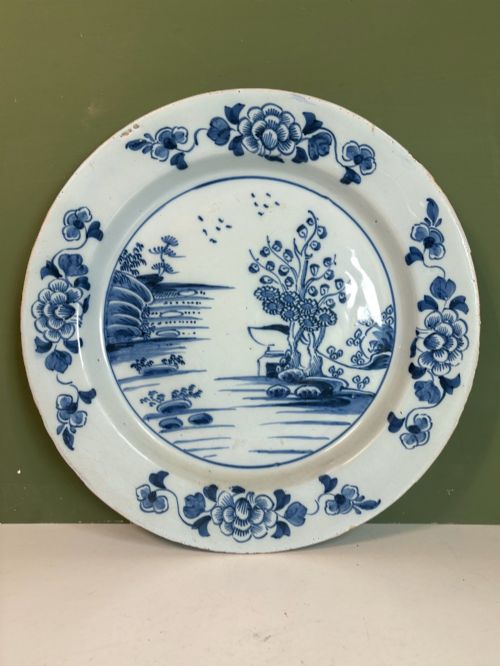
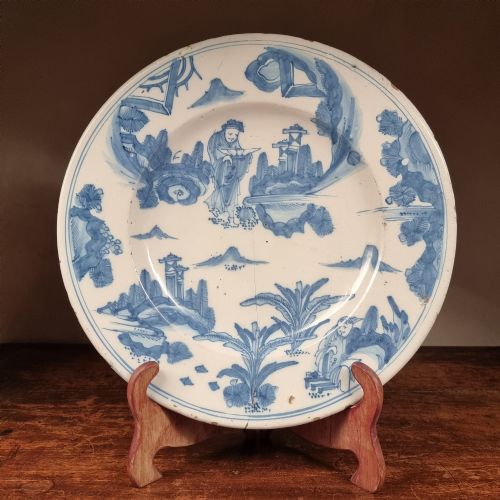
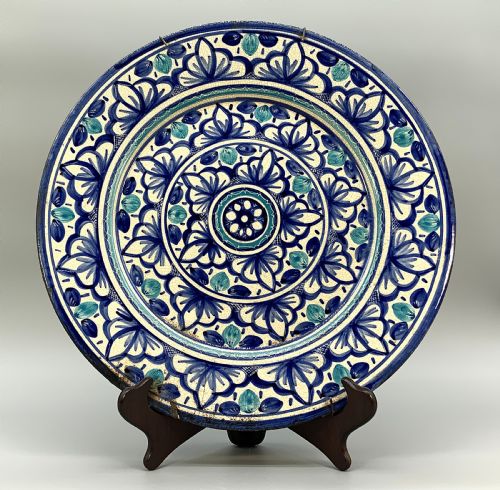
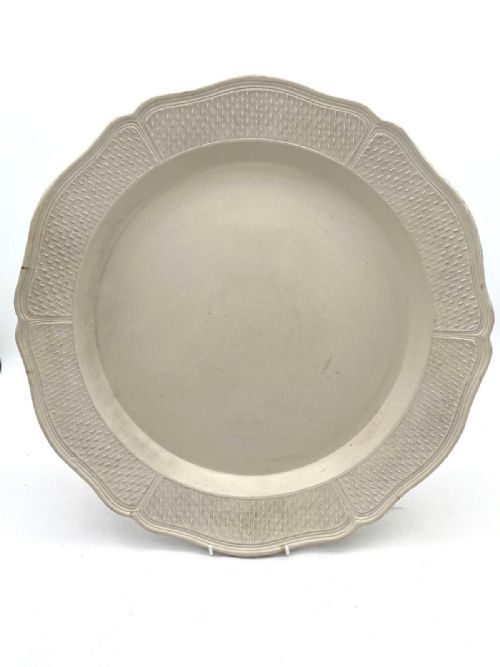
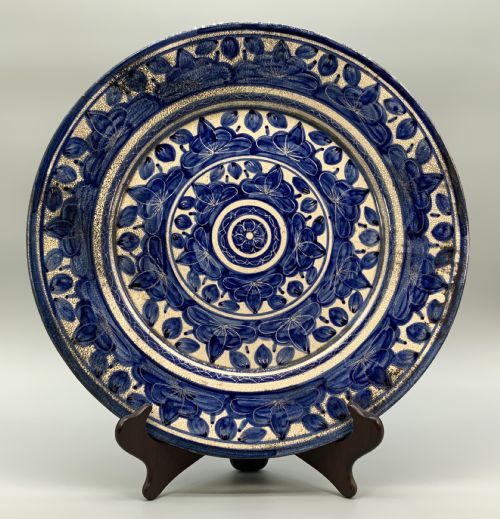
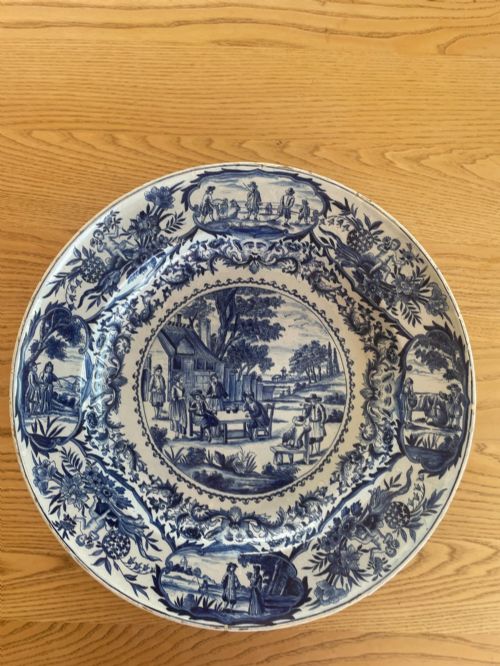
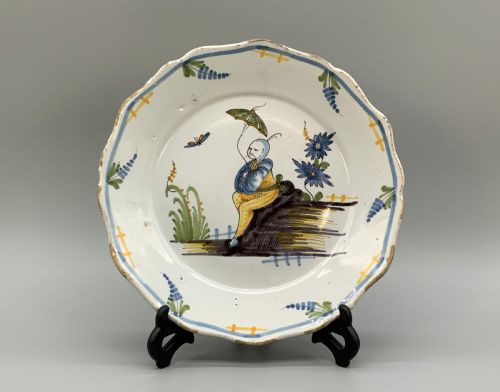
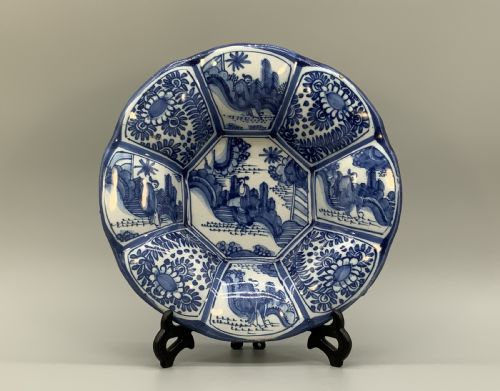
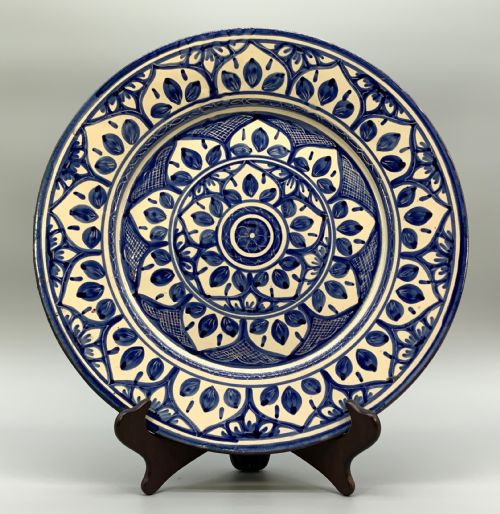
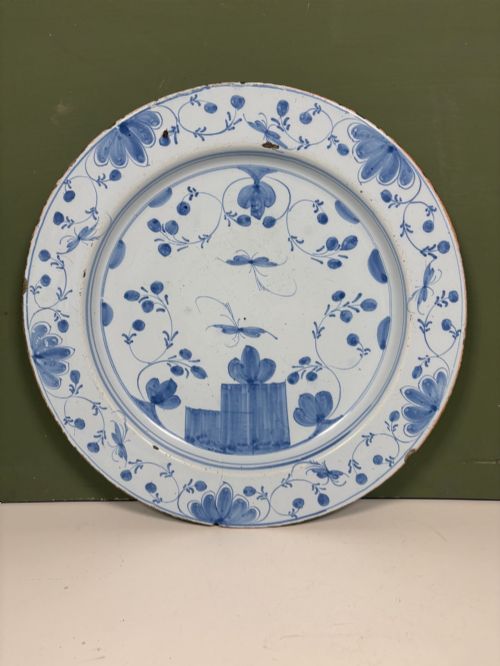
A white glazed ceramic platter offers a broad expanse of tin-glazed earthenware or creamware, made to serve food or display blue and white scenes.
White Glazed Ceramic Platter
A white glazed ceramic platter primarily takes the form of large chargers, serving dishes, and meat plates designed across several centuries. The pieces on this page lean heavily toward 17th-, 18th-, and 19th-century examples created for domestic use or display.
Makers shaped these items as round chargers or lobed dishes, applying white tin glaze, salt glaze, or creamware finishes. Many incorporate cobalt pigment, enamel, and manganese under Dutch Baroque, Moorish, or Chinoiserie styles.
English and continental potteries dominate the origins, ranging from Bristol and Staffordshire to Dutch and French workshops. Buyers will encounter substantial decorative plates alongside transfer-printed meat platters.
How they were made
Potters shaped earthenware, stoneware, and porcelain bodies before applying tin glaze or salt glaze to create the smooth white surfaces. Cobalt pigment and enamel colours were then painted onto the raw glaze or transferred from copper plates.
Firing took place in traditional kilns, fixing the tin-glazed earthenware and stoneware bodies under high temperatures. Certain pieces utilised manganese and yellow pigments to achieve distinct Chinoiserie or Moorish motifs.
White Glazed Ceramic Platter Retail Price Guide 2026
Typical asking prices for white glazed ceramic platter among the pieces listed under this phrase on Sellingantiques today, from the lower quarter to the upper quarter. They describe what is for sale here now, not the wider market.
Listings span from the 17th century through the 19th century, featuring earthenware, stoneware, and porcelain.
What varies in quality
Quality rests upon the crispness of the cobalt painting and the evenness of the tin glaze across the surface of the charger. Early pieces with complex Chinoiserie or pictorial scenes display greater artistic control than standard utilitarian wares.
The weight of the earthenware and the stability of the large platter body determine structural integrity. Potteries achieved finer results when the glaze covered the charger completely without pooling or thinning at the edges.
John Ridgway·Spode·Booths
The White Glazed Ceramic Platter Glossary
- Tin glaze
- An opaque white glaze made by adding tin oxide to lead glaze, providing a smooth surface for painted decoration. It formed the standard ground for Delftware chargers.
- Charger
- A large decorative plate or serving dish used on dining tables or displayed on walls. These objects measure considerably wider than standard dinner plates.
- Creamware
- A refined earthenware developed in the 18th century with a pale yellowish-white glaze. It offered a lighter and more durable alternative to traditional tin-glazed pottery.
- Chinoiserie
- European decorative art inspired by Chinese artistic traditions. Potters painted stylized landscapes, figures, and pagodas onto blue and white dishes.
- Salt glaze
- A hard, glossy finish created by throwing common salt into the kiln during high-temperature firing. The sodium reacts with the clay body to form a pitted texture.
White Glazed Ceramic Platter: Frequently Asked Questions
How were white glazed ceramic platters used?
These large dishes served joints of meat or displayed fruit in dining rooms and parlours across the 17th, 18th, and 19th centuries. Many chargers also featured hanging holes on the footrim so owners could exhibit them on walls.
Over time, utility shifted toward decorative display as ceramic technology advanced and table settings changed. Today they function primarily as decorative wall chargers or centrepieces.
How do I date a tin-glazed platter?
Dating relies on stylistic clues such as the tin glaze opacity, pigment shades, and painted motifs like Chinoiserie or Kraak patterns. Eighteenth-century pieces often exhibit distinct blue and white tones compared to later transfer-printed wares.
Examining the footrim and the consistency of the earthenware body helps separate 17th-century examples from 19th-century revivals. Maker marks and named patterns provide further chronological markers.
Can I use these antique platters for serving food?
Most antique tin-glazed earthenware and creamware platters display age-related wear, glaze crazing, and historical repairs unsuited for modern culinary use. Acidic foods can also affect fragile historic tin glazes.
Collectors generally treat these pieces as decorative objects rather than functional tableware. Displaying them safely preserves the remaining glaze and pigment.