

White Glazed Ceramic Hand
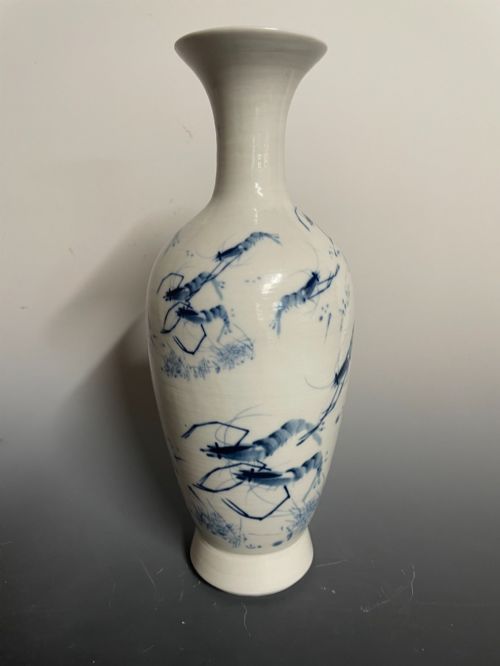
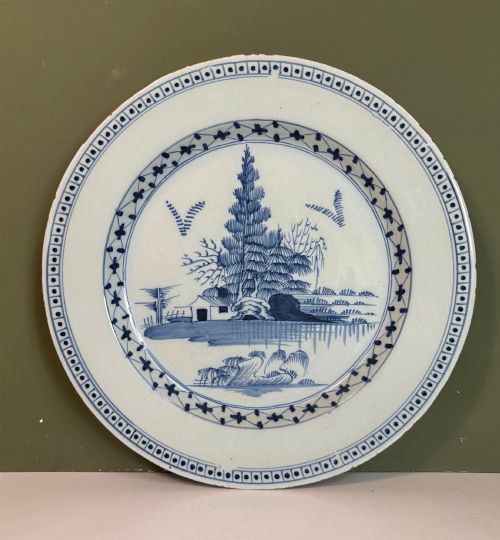
White glazed ceramic hand pieces encompass tin-glazed earthenware chargers, chargers, vases, and dishes spanning the sixteenth to the twentieth centuries.
White Glazed Ceramic Hand
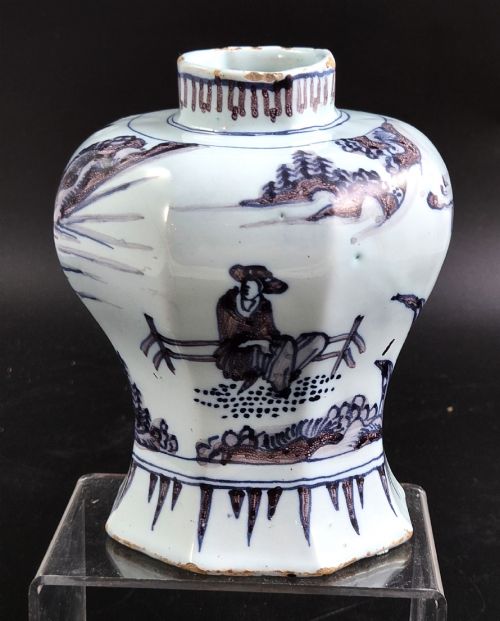
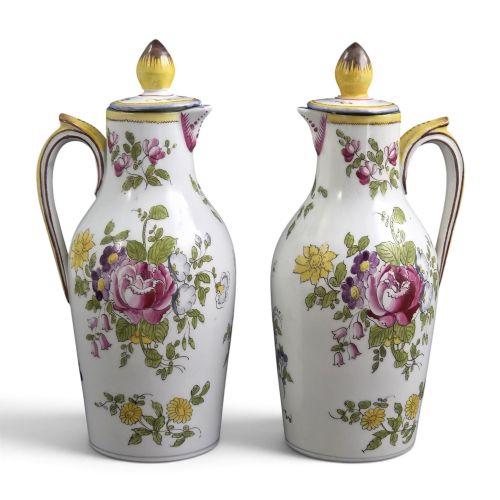
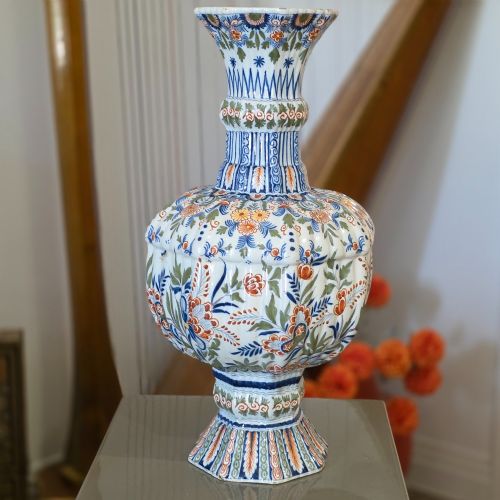
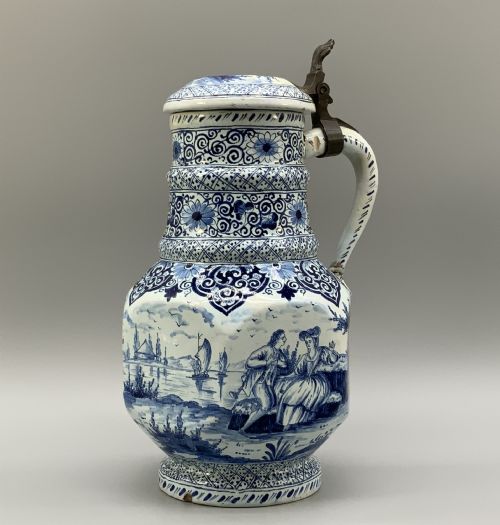
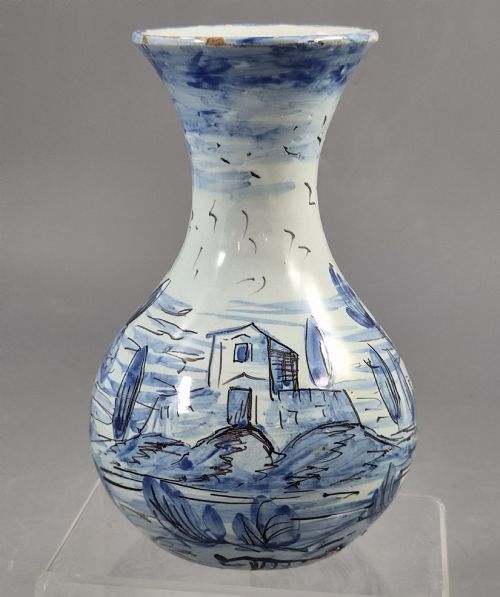
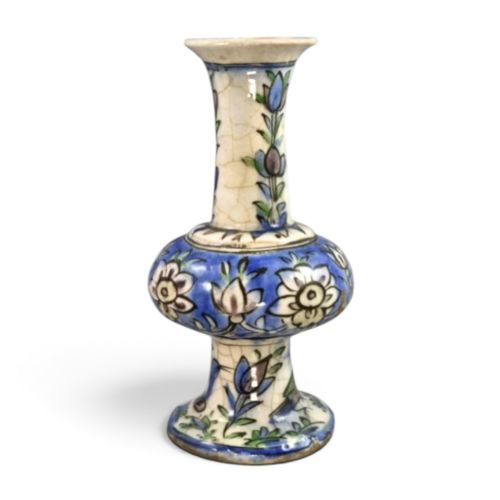
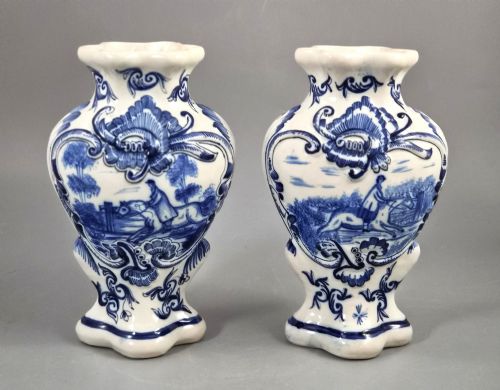
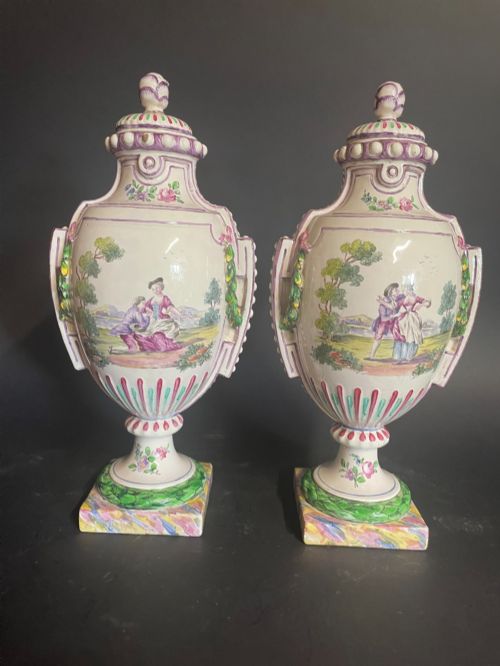
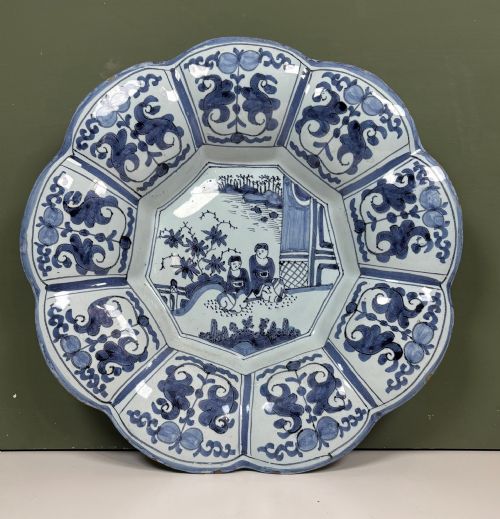
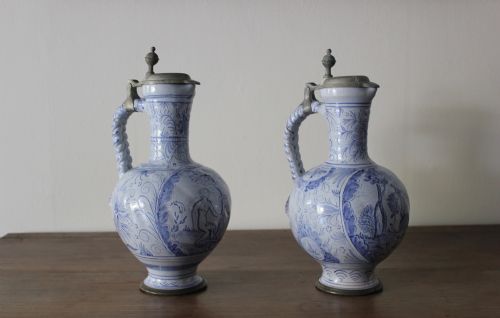
When you examine white glazed ceramic hand pieces on this page, you encounter tin-glazed earthenware objects dominated by eighteenth-century Dutch Delftware, alongside nineteenth-century French faience and Italian maiolica. These items primarily manifest as chargers, decorative plates, vases, urns, bowls, and tiles featuring blue and white pigments under heavy glaze.
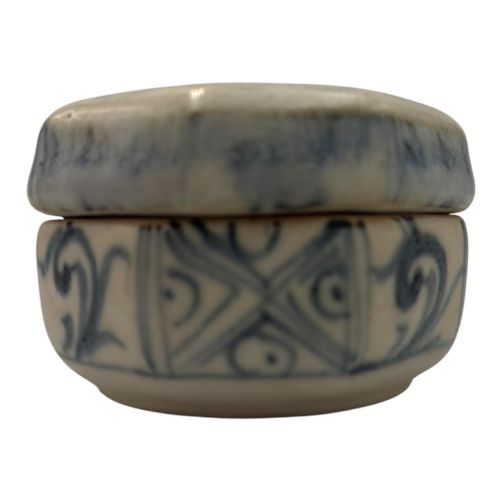
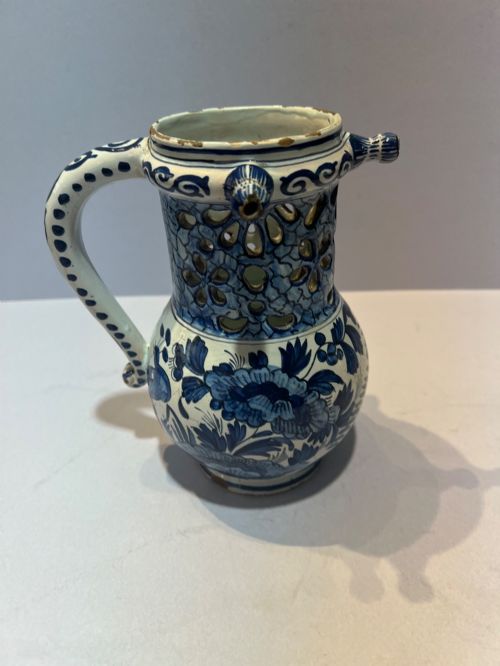
The domestic forms include puzzle jugs, barber's bowls, sauceboats, and lidded vessels alongside devotional plaques and garden urns. Eighteenth-century examples supply the core of the selection, particularly Dutch chargers and dishes, while nineteenth-century pieces range from French Desvres wares to Moorish style Continental productions.
How they were made
Potters formed these bodies from earthenware and applied opaque tin glaze to create a white ground suitable for hand painting with cobalt pigment or other metal oxides. The pieces then underwent high-temperature firing to fuse the metallic pigments into the vitreous surface layer.
Makers shaped larger vessels like garden urns and chargers by hand or on the wheel, applying tin glaze evenly across the visible surfaces while often leaving base rims unglazed to prevent sticking in the kiln.
Bleeding dishes and puzzle jugs remind us that historical households enjoyed practical jokes and medical treatments with their blue and white ceramics.
What varies in quality
Quality rests in the crispness of the hand-painted cobalt brushwork and the stability of the tin glaze over the earthenware body. Superior examples display confident, fluent brush execution on motifs like swans or floral panels, whereas lesser pieces show rushed or muddied pigment absorption.
The purity and opacity of the white tin glaze dictate visual depth, with finer surfaces maintaining smooth gloss without excessive pitting or crazing. Edge retention on charger rims and structural integrity on footed vessels further separate standard domestic production from finer decorative output.
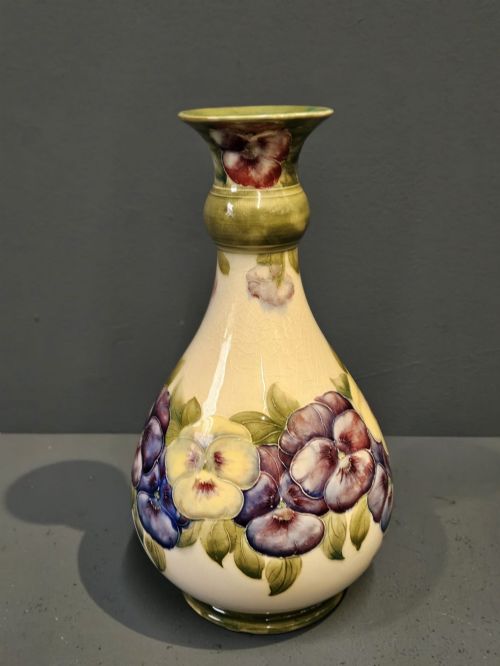
Cantagalli·Fourmaintraux Courquin·Moorcroft McIntyre
The White Glazed Ceramic Hand Glossary
- Tin Glaze
- A lead glaze made opaque by the addition of tin oxide, providing a white background for painting on earthenware bodies. This technique defines traditional Delftware and faience.
- Charger
- A large decorative plate or dish intended for display on walls or dressers rather than dining use. Eighteenth-century examples form a significant portion of tin-glazed earthenware collections.
- Maiolica
- Italian tin-glazed earthenware decorated with metal oxides, evolving from earlier trade wares into a distinct Renaissance and nineteenth-century revival art form.
- Faience
- French and European tin-glazed pottery produced in imitation of Italian maiolica or oriental porcelain. Desvres and Nevers workshops specialised in this medium.
- Cobalt Pigment
- A metallic blue colorant stable at high kiln temperatures, utilised extensively for underglaze painting on white tin-glazed surfaces.
White Glazed Ceramic Hand: Frequently Asked Questions
What is a tin-glazed dish?
A tin-glazed dish consists of an earthenware body coated in a white, opaque glaze containing tin oxide. Artisans then painted designs directly onto this absorbent surface before firing.
These pieces range from flat plates to deep bowls and chargers, originating primarily from Dutch, French, and English potteries during the seventeenth and eighteenth centuries.
How do I identify eighteenth-century Delftware?
Eighteenth-century Delftware typically exhibits a buff or pinkish earthenware body covered in a white tin glaze, hand-painted in blue with floral, figural, or landscape motifs. The glaze often shows minor surface imperfections and soft edges where the pigment bled slightly.
Examining the unglazed foot rim reveals the underlying clay body, while stylistic elements like Dutch Baroque borders help anchor the piece to its period.
Were chargers used for dining?
Large chargers served primarily as decorative display items on sideboards and walls rather than for serving food at the table. Their expansive surfaces provided ideal canvases for narrative scenes, floral patterns, or heraldic designs.
Their substantial weight and large diameters made them less practical for daily dining, preserving them as decorative focal points in historic interiors.