
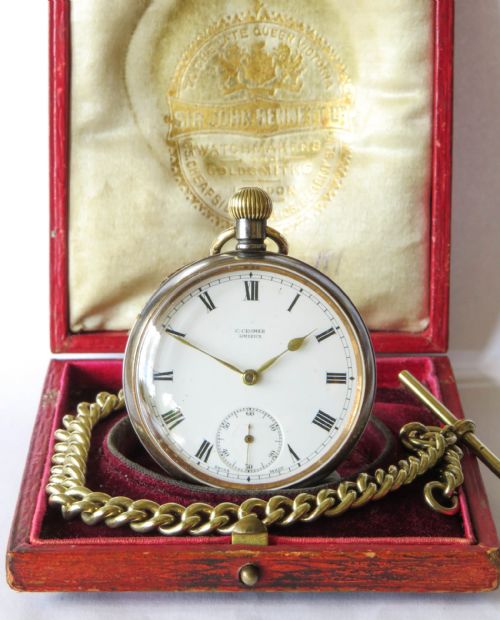


White Enamel Pocketwatch
White enamel pocketwatch pieces combine crisp dials with enduring mechanical design, offering collectors a reliable piece of historical timekeeping.
White Enamel Pocketwatch
A white enamel pocketwatch brings together classical dial craftsmanship and mechanical movement across multiple decades. Buyers searching this phrase encounter examples stretching from the Victorian era through Edwardian, Art Deco, and Mid-Century periods.
The pieces listed on this page span diverse manufacturing traditions, incorporating pocket watches and full hunter designs. Most examples originate from the late nineteenth century up to the nineteen fifties, reflecting shifting preferences in portable timekeeping.
Materials and construction methods
Makers utilised durable metals including silver, gold filled, gold plate, eighteen-carat gold, steel, stainless steel, and gun metal for the outer cases. Glass protects the delicate dial faces on these mechanical devices.
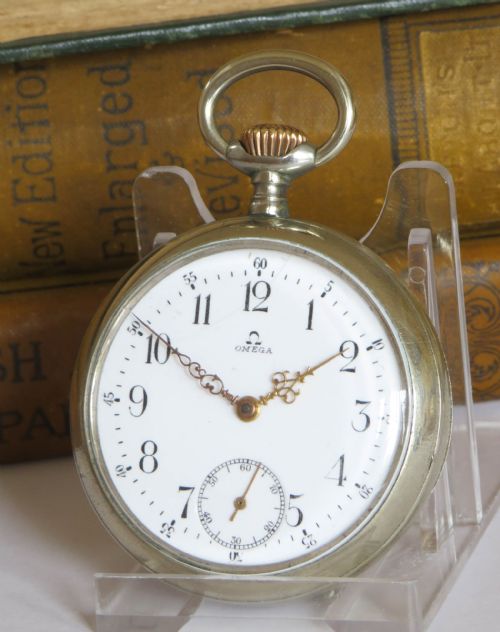
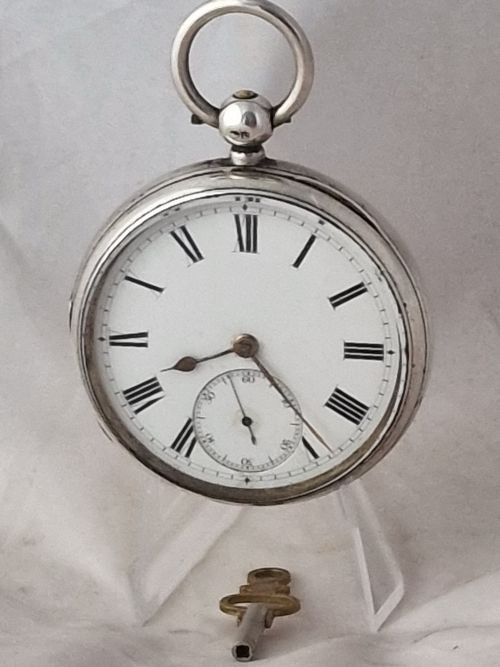
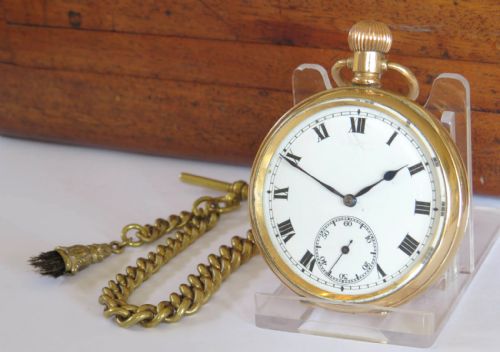
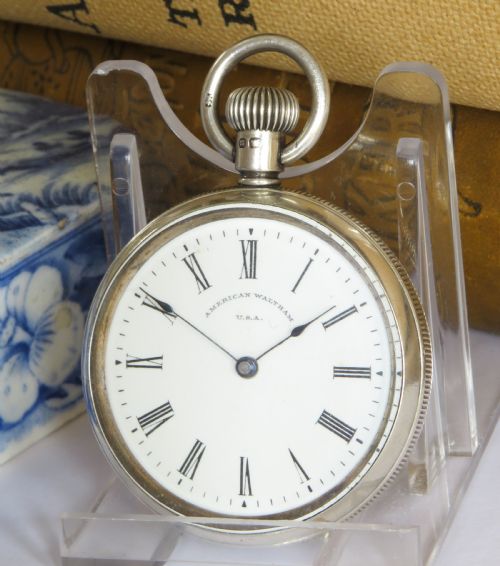
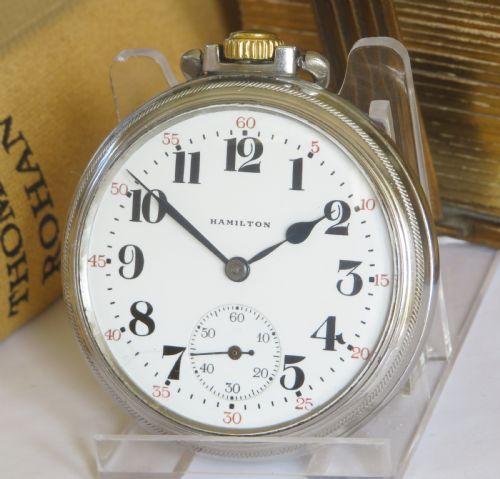
Vitreous enamel provides the smooth, bright white surface for the watch faces, kiln-fired to ensure lasting legibility and a clean aesthetic. Metal components work in tandem with specialised watchmaking techniques to house the internal movements securely.
The inventory spans Victorian, Edwardian, Art Deco, and Mid-Century styles across multiple international watchmaking houses.
Distinguishing quality factors
The refinement of the internal movement and the prestige of the maker distinguish superior examples from standard production pieces. Finer grade metals and robust case construction indicate higher manufacturing standards.
The preservation of the white enamel dial without hairline fractures or restoration marks elevates an example's overall desirability. Precision in dial typography and case finishing further separates exceptional timepieces from ordinary ones.
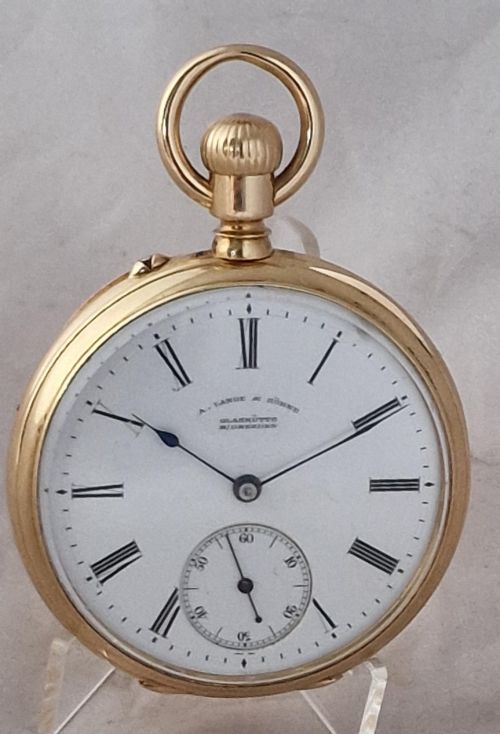
Waltham·Bickley London·Lange & Sohne·Syren·Urania·Hamilton·Omega·Longines·Sir John Bennett·Electa·Alliance Lever
The White Enamel Pocketwatch Glossary
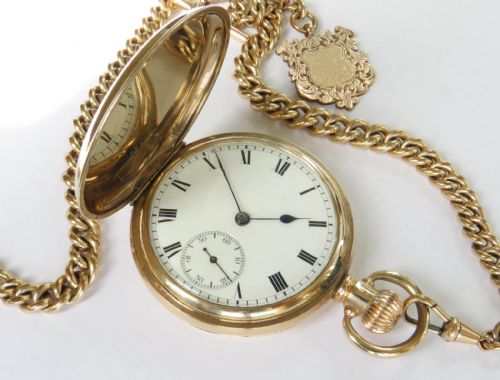
- Full hunter
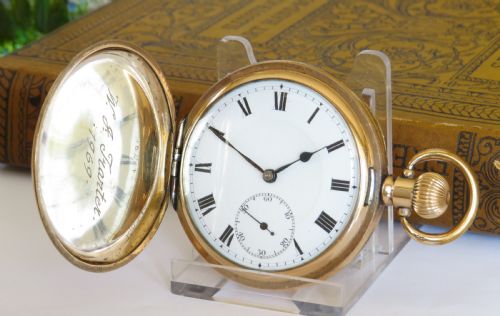
- A pocket watch featuring a spring-loaded metal cover that protects the glass dial. This outer lid opens via a crown-mounted push-piece.
- Fusee
- An antique mechanical mechanism utilising a conical pulley and chain to equalize the decreasing power of the mainspring as it unwinds. This system ensures consistent tension for greater timekeeping accuracy.
- Enamel
- A glassy substance fused to metal under high heat to create a smooth, hard decorative coating. On watch dials, it provides a bright white background for painted numerals.
- Gun metal
- An alloy of copper, tin, and zinc initially developed for ordnance but later adopted for watch cases. It offers a dark, corrosion-resistant finish with a distinct metallic lustre.
White Enamel Pocketwatch: Frequently Asked Questions
How do I wind a mechanical pocket watch?
Wind the crown gently in a clockwise direction until you feel firm resistance, avoiding overwinding which can strain the internal spring.
Most vintage pocket watches require daily winding to maintain accurate operation throughout the twenty-four hour cycle.
What periods do these pocket watches cover?
The available selection spans from Victorian and Edwardian eras through Art Deco and Mid-Century designs.
Production dates range from the late nineteenth century up to the nineteen fifties, reflecting evolving horological styles.
How should I store my pocket watch?
Keep the watch in a dry, dust-free environment away from direct sunlight and strong magnetic fields.
A dedicated watch stand or padded box protects the metal case and glass crystal from accidental scratches.