


White Dress Portrait
White dress portrait works trace changing ideals of grace across centuries through oil on canvas, delicate miniatures and watercolours.
White Dress Portrait
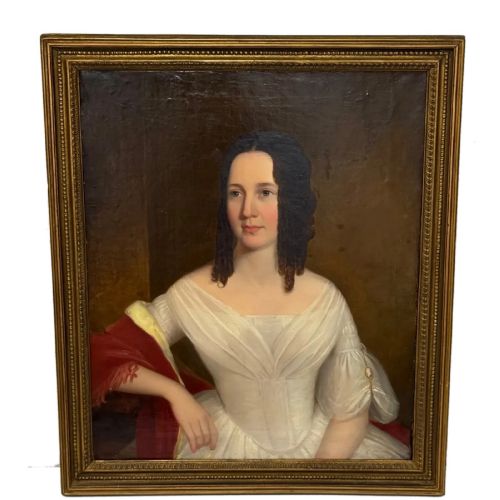
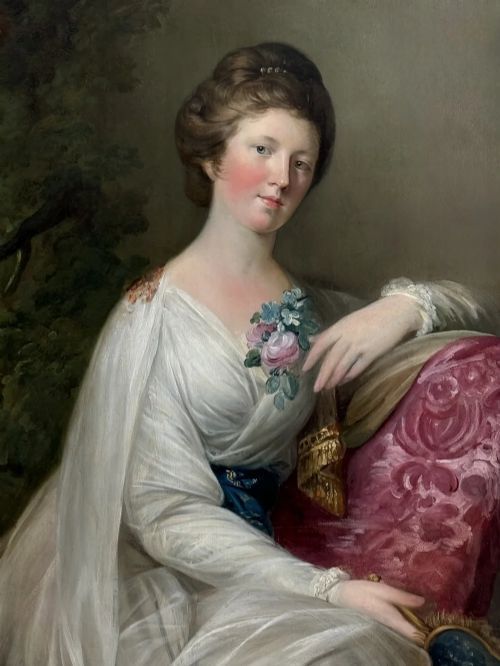
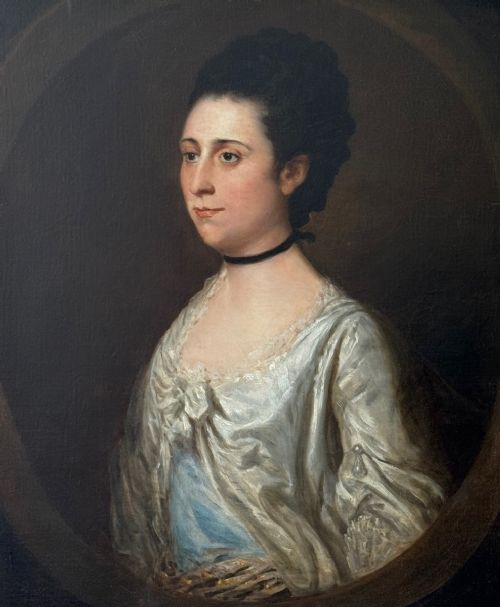
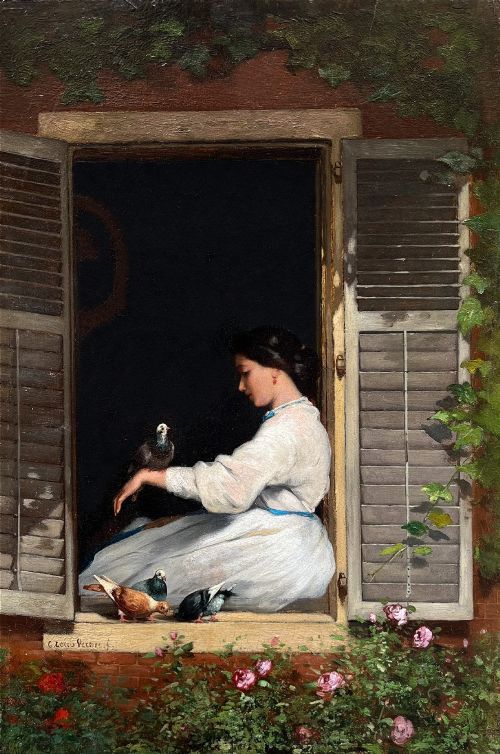
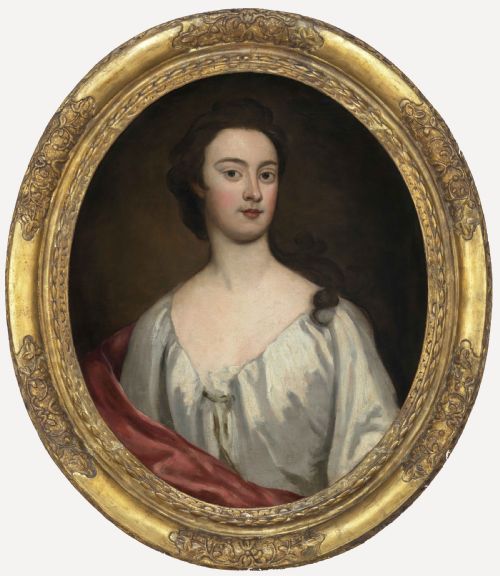
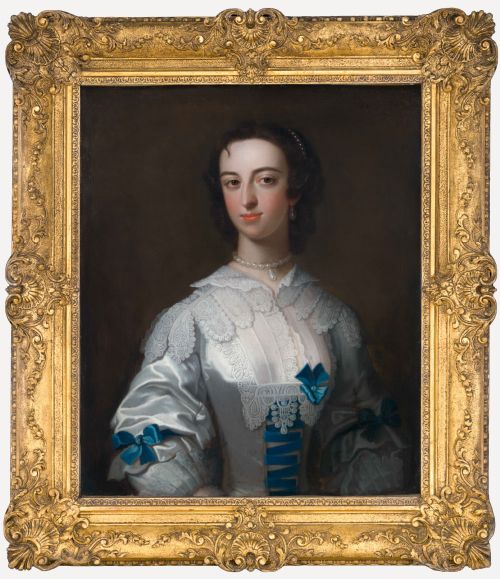
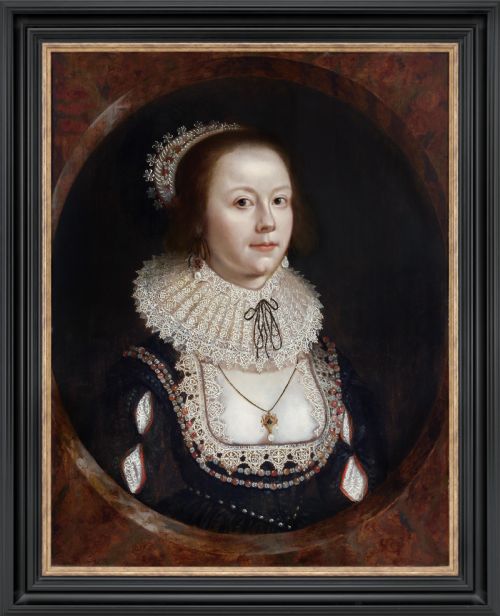
A white dress portrait captures sitters from the seventeenth century through the twentieth century wearing pale fabrics, silks, satins, and cottons. These works appear primarily as oil paintings on canvas or panel, alongside intimate portrait miniatures and occasional watercolours.
The selection ranges from seventeenth-century nobility in lace-trimmed gowns to Regency children in sashes and Victorian ladies in structured cotton. Subjects frequently pose with domestic pets, books, or landscape elements that establish their social standing.
Materials and technique
Artists built these compositions using oil paint on stretched canvas or wooden panels, applying layered pigments to render the texture of silk, satin, and lace. Giltwood and gilt metal frames often house the finished works.
Miniatures employ fine watercolours or gouache on delicate supports, while works from the later nineteenth century occasionally utilise pastel drawing techniques on paper.
Several sitters share the canvas with faithful dogs, birds, and even a pet named Mr Quiz.
What varies in quality
The distinction in these works lies in the fluency of brushwork, particularly in the handling of fabric folds and facial expressions. Master painters capture the luminous quality of white textiles and the individual psychology of the sitter with greater precision than studio assistants.
Condition also separates examples, as original unlined canvases and untouched gilt frames command higher regard than heavily restored surfaces or later replacement surrounds.
George Willison·Thomas Beach·Jeremiah Davison·Henry Pickering·Cornelius Johnson·John Greenhill·Nicolaes Maes·Christian Lindner·Charles Jervas·William Owen·Francis Alleyne·Enoch Seeman·John Vanderbank·Michael Dahl·Herman Verelst·John Theodore Heins·Heinrich Beltz·Henry Wyatt·Sir Joshua Reynolds·John Downman·William Hoare of Bath
The White Dress Portrait Glossary
- Oil on canvas
- Pigment bound in oil medium applied to a woven fabric support. This combination allowed artists to achieve rich tonal gradations and durable surfaces.
- Portrait miniature
- A small-scale painting executed with high detail, often designed for personal wear or private display. These objects frequently utilise ivory, vellum, or card as a base.
- Giltwood
- Carved wood treated with a thin layer of gold leaf. Frames of this material define many of the formal paintings from the seventeenth to nineteenth centuries.
- Regency
- An architectural and artistic period spanning the early nineteenth century. Works from this era display distinct neoclassical influences and lighter colour palettes.
- Provenance
- The documented history of ownership associated with an artwork. A traceable lineage adds historical weight to documented portraits.
White Dress Portrait: Frequently Asked Questions
What periods do these portraits cover?
The works span from the seventeenth century through the Victorian era and into the twentieth century. Earlier examples showcase rigid seventeenth-century lace, while later pieces reflect Regency and Victorian fashions.
Changes in clothing styles, hair arrangement, and painting techniques help date individual works alongside traditional archival records.
Why did sitters wear white dresses?
White fabrics symbolised wealth, purity, and modernity during the eighteenth and nineteenth centuries because they required careful maintenance and costly laundering. Artists used pale gowns to reflect light and create luminous focal points within compositions.
Including specific ribbons, lace, or jewellery alongside the dress often denoted the sitter's specific social status.
How do I care for an antique oil painting?
Antique oil paintings require stable indoor environments away from direct sunlight and rapid humidity fluctuations. Dust should be removed gently from the canvas and frame using a soft, dry brush.
Professional conservators should handle structural repairs, cleaning, or varnish removal to preserve the integrity of the original paint layer.