





White Column Stand
A white column stand carries classical dignity into a room, lifting sculpture and foliage with architectural certainty.
White Column Stand
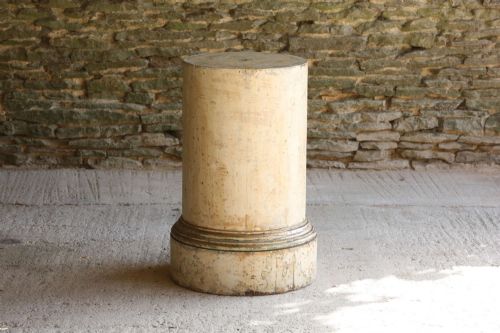
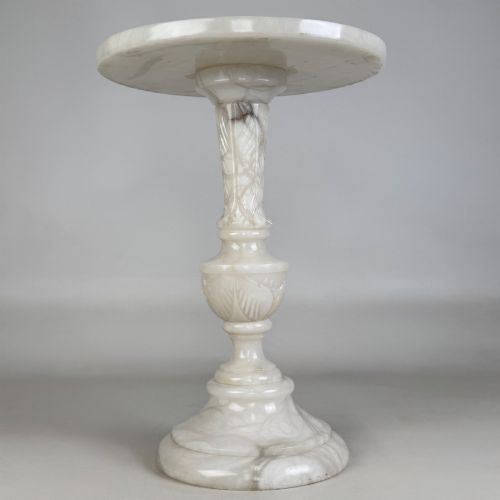
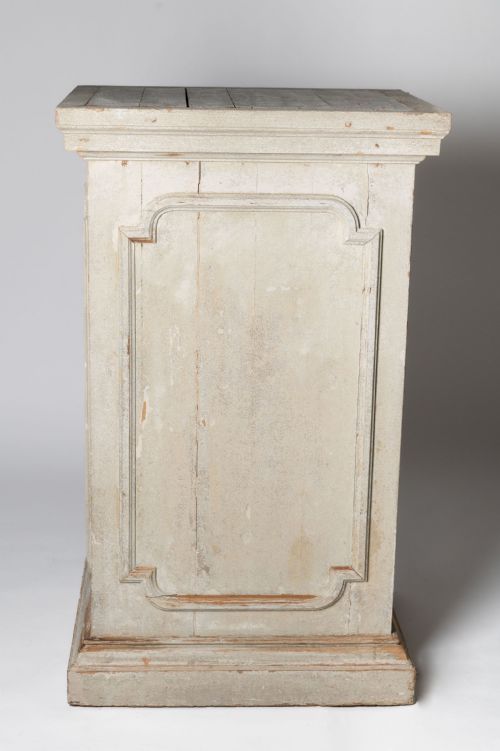
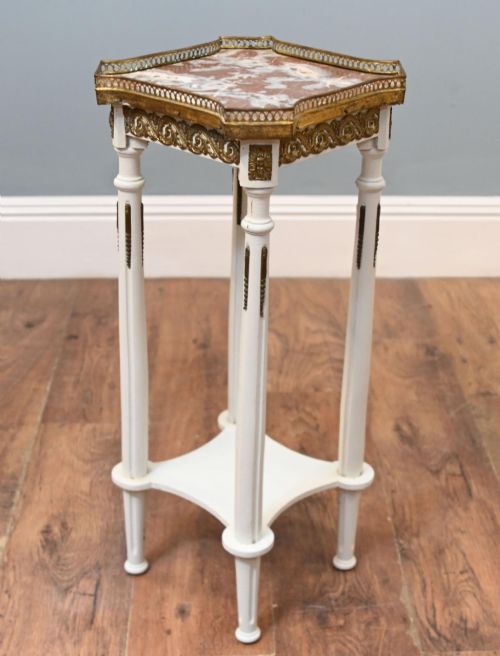
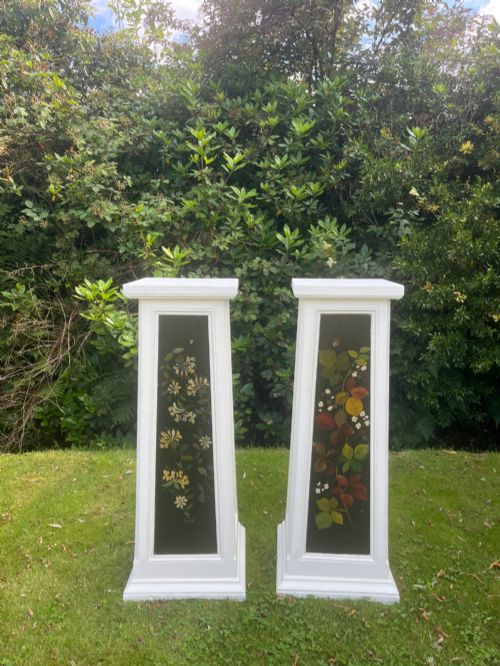
A white column stand takes the form of a pedestal, plinth, or support column designed to elevate displays within a domestic interior. These pieces draw upon neoclassical, Victorian, and Gustavian traditions, offering sturdy support for busts, urns, and plants.
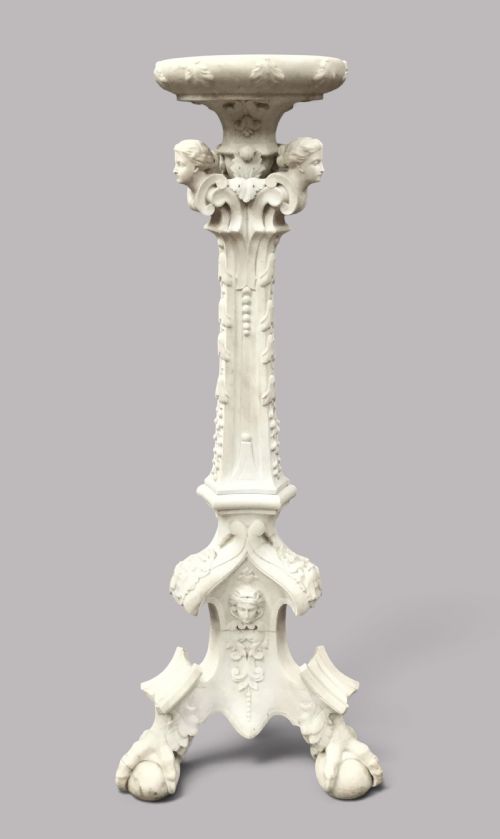
Most examples found here date from the nineteenth and early twentieth centuries, reflecting enduring classical revivals across English, Scandinavian, and Italian workshops. Forms range from simple cylindrical wooden columns to elaborate carved stone torcheres and console tables.
Buyers select these stands to create focal points in hallways and reception rooms, utilising their vertical lines to balance heavy furniture and low seating. The surfaces typically present painted finishes, polished marble, or carved alabaster.
Materials and construction methods
Makers utilised natural stone, including variegated marble, Carrara marble, and alabaster, alongside solid woods such as pine. Stonework often involved lathe-turning or hand-carving to achieve fluted shafts and classical capitals.
Painted columns rely on layered paint and gesso over wood or iron, sometimes finished with gilt accents to mimic richer materials. Brass fittings and socle bases provide structural stability and decorative contrast to the white stone or painted surfaces.
White Column Stand Retail Price Guide 2026
Typical asking prices for white column stand among the pieces listed under this phrase on Sellingantiques today, from the lower quarter to the upper quarter. They describe what is for sale here now, not the wider market.
Materials recorded across the inventory include painted wood, Carrara marble, alabaster, brass, and cast iron.
Judging quality in columns
Quality rests upon the integrity of the materials and the precision of the carving or turning. Solid marble and finely sculpted alabaster represent superior craftsmanship compared to simpler pine or painted softwood equivalents.
Proportion and weight distribution dictate the success of the piece, ensuring stability when supporting heavy marble busts or large plants. Detail in capitals and bases separates standard utilitarian stands from decorative works derived from classical architecture.
The White Column Stand Glossary
- Socle base
- A short plain plinth that supports a column or bust. This architectural foot provides a stable foundation on the floor.
- Scagliola
- A composite material made from selenite, glue, and pigments, mimicking natural marble and other hard stones. Craftsmen applied this technique to achieve decorative column shafts.
- Torchere
- A tall stand originally designed to hold a torch or candle, later adapted for lamps and urns. These slender supports bring vertical emphasis to corners.
- Plinth
- A heavy flat slab forming the lowest part of a base. It ensures the entire column stands level on the floor.
White Column Stand: Frequently Asked Questions
Where should I place a column stand?
These stands suit corners of hallways or reception rooms where vertical height balances low furniture. They create effective focal points for displaying sculpture, plants, or lamps.
Ensure the floor is level and the base rests securely to prevent tipping when displaying heavier items like marble busts.
How do I clean marble and alabaster?
Dust surfaces regularly with a soft, dry cloth to prevent dirt accumulation in carved details. Avoid acidic cleaners or excessive water, particularly on softer stones like alabaster.
Use specialist stone cleaners sparingly and only when necessary to preserve the original surface finish.
Can these stands hold heavy sculptures?
Solid stone and cast iron columns offer robust support for heavy items such as bronze or marble busts. Wooden and painted variants require careful assessment of their base stability before placing heavy loads upon them.
Check that the weight distributes evenly across the top surface to maintain balance.
How do I date a column stand?
Examine the materials, tool marks, and wear patterns on the base and shaft. Nineteenth-century examples often show hand-turned timber or natural stone worked with traditional methods, while later pieces may incorporate twentieth-century manufacturing techniques.
Stylistic cues such as neoclassical revivals or Aesthetic Movement details also point toward specific periods.