

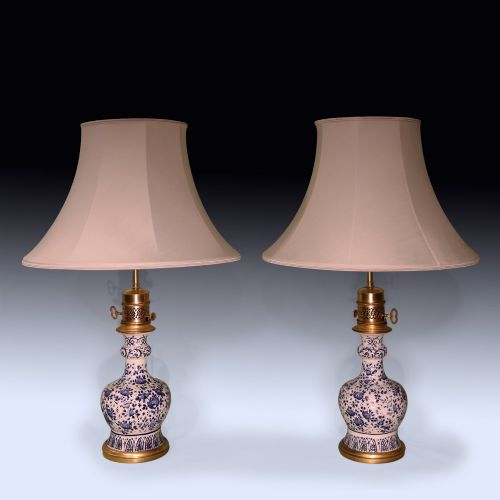
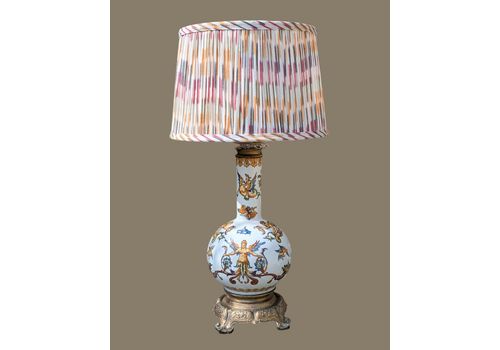
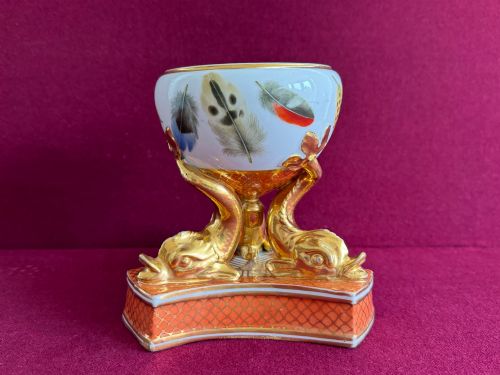
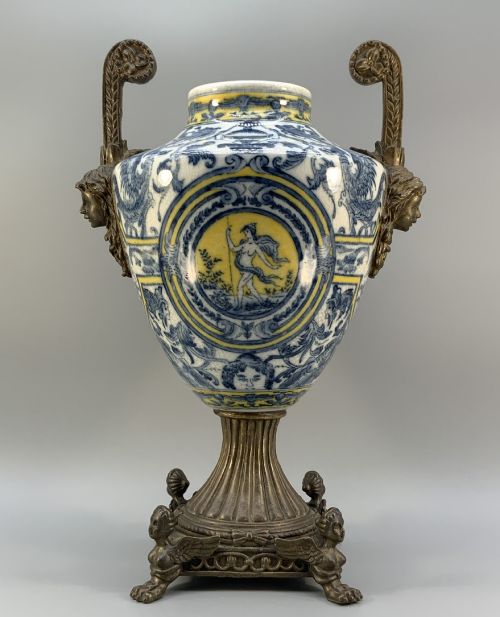



White Ceramic Base
A white ceramic base provides a sturdy foundation for lighting and decorative vessels, offering a neutral yet characterful element for interiors.
White Ceramic Base
When buyers search for a white ceramic base, they encounter a diverse selection of converted lamps, vases, and figures originating from eighteenth-century Georgian workshops through to late Victorian factories.
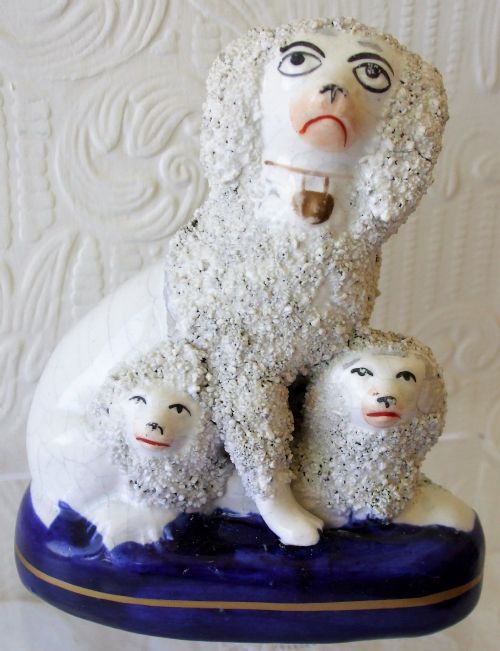
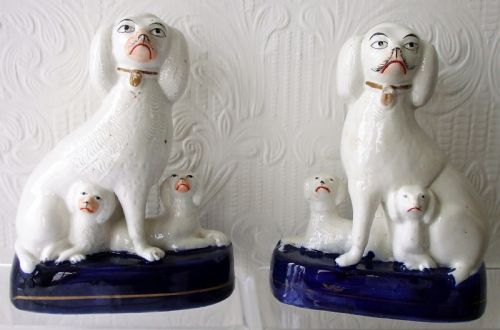
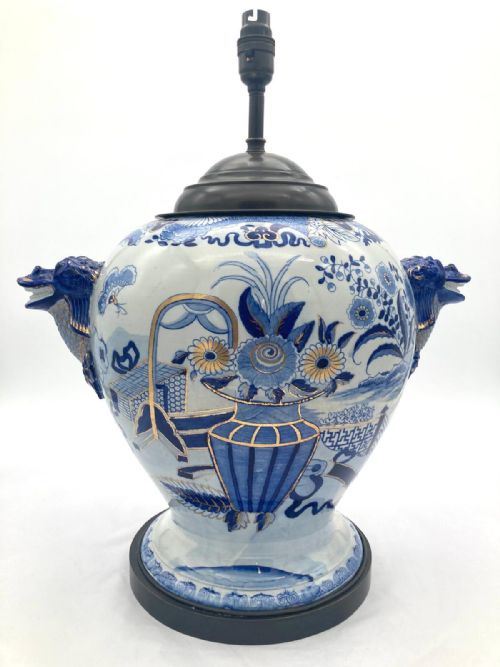
The objects span practical household lighting, including oil lamps and table lamps, alongside decorative porcelain and earthenware figures such as Staffordshire animals and Chinese vases.
Originating across England, Germany, and China, these pieces utilise traditional ceramic forms to anchor lighting fixtures or display stands within domestic spaces.
How they were made
Potters shaped these objects using porcelain, earthenware, and ironstone, frequently applying white glazes or tin glazes to create smooth, pale surfaces.
Many items incorporate secondary materials such as brass mounts, bronze fittings, or gilt elements to elevate the functional or decorative presentation of the ceramic body.
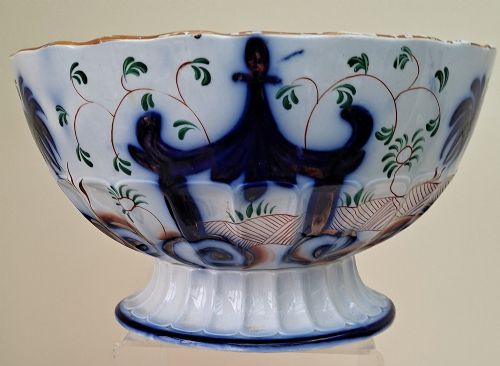
Hand-painting, blue and white underglaze decoration, and moulded details such as enamel or lustre add surface texture and visual depth to the finished pieces.
White Ceramic Base Retail Price Guide 2026
Typical asking prices for white ceramic base among the pieces listed under this phrase on Sellingantiques today, from the lower quarter to the upper quarter. They describe what is for sale here now, not the wider market.
Current listings feature materials including porcelain, earthenware, and brass, spanning the Georgian, Victorian, and nineteenth-century periods.
What varies in quality
The refinement of the modelling and the clarity of painted or moulded details distinguish standard production ware from finer sculptural works.
The integrity of the glaze and the preservation of original mounts or converted hardware significantly influence the overall condition and visual coherence of the piece.
Chamberlain Worcester·Enoch Wood factory·Ernst Bohne and Sohn·Sitzendorf
The White Ceramic Base Glossary
- Porcelain
- A hard, fine-grained ceramic fired at high temperatures, known for its translucent quality and white body. It provides a durable surface for detailed hand-painted decoration.
- Earthenware
- A porous pottery body fired at lower temperatures, typically finished with an opaque glaze such as tin glaze or pearlware. It forms the foundation for many nineteenth-century figures.
- Staffordshire pottery
- Earthenware produced in the Staffordshire potteries of England, famous for figures of animals, dogs, and historic groups. These pieces often feature hand-painted or glazed details.
- Pastille burner
- A small ceramic vessel designed to burn aromatic pastilles, releasing scented smoke through pierced lids or chimneys. They frequently take the form of miniature buildings or figures.
White Ceramic Base: Frequently Asked Questions
How do I use a white ceramic base lamp?
These lamps function effectively as primary or accent lighting on side tables, desks, and sideboards. Their neutral tone allows them to integrate easily into various room palettes.
Ensure the electrical wiring meets modern safety standards, especially when utilising antique lamp conversions from the nineteenth century.
How are nineteenth-century Staffordshire figures cleaned?
Dust the surface gently with a soft, dry brush to prevent dirt accumulation within the moulded crevices and painted details. Avoid harsh cleaning agents that might damage the glaze.
Keep ceramic figures away from direct moisture and strong sunlight to preserve the original enamel colours and surface finish.
How can I tell eighteenth-century porcelain apart from later pieces?
Examine the weight, the translucency under light, and the characteristics of the glaze and base foot rim. Earlier pieces often display distinct potting marks and unglazed foot rings.
Compare the style of hand-painting and decorative motifs with known factory examples from periods like the Georgian era to confirm the origin.
Can I replace the shade on an antique lamp?
Selecting a complementary shade involves matching the scale and proportion of the ceramic base without overwhelming its design. Many pieces feature handmade or fabric shades that suit the period.
Ensure the fitter size matches the harp or gallery of the lamp before attaching a new shade.