


White Carved Wood Armchairs
White carved wood armchairs offer sculptural elegance and period character, bringing classical French and English seating styles into refined modern interiors.
White Carved Wood Armchairs
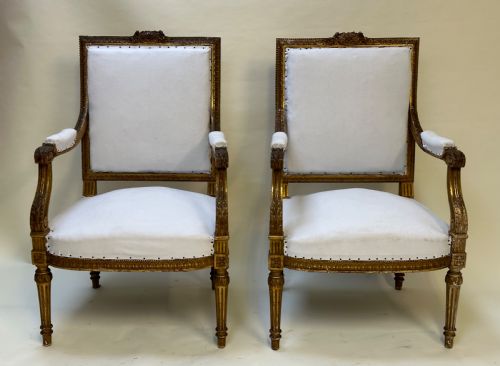
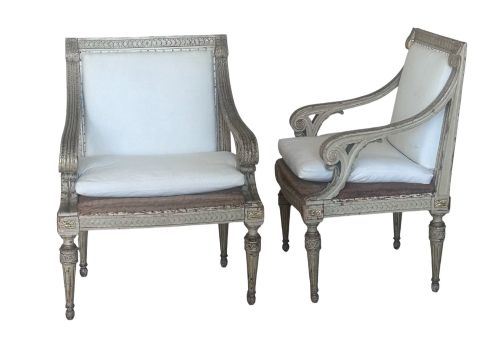
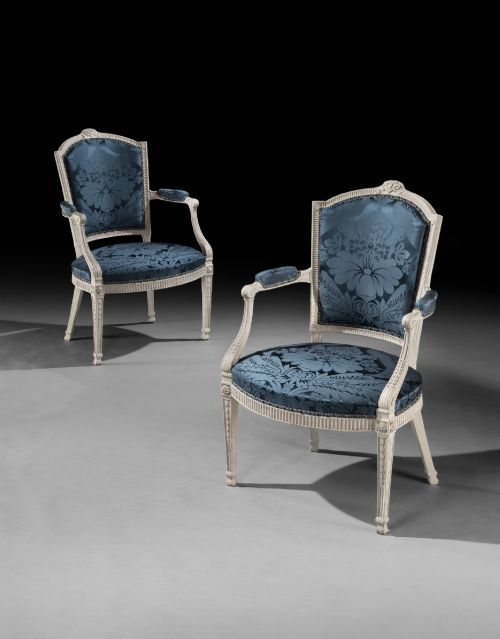
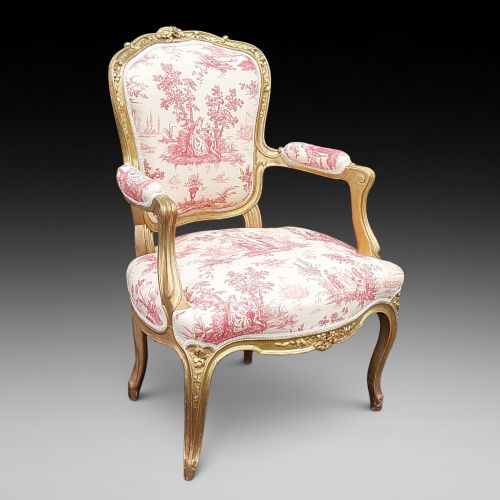
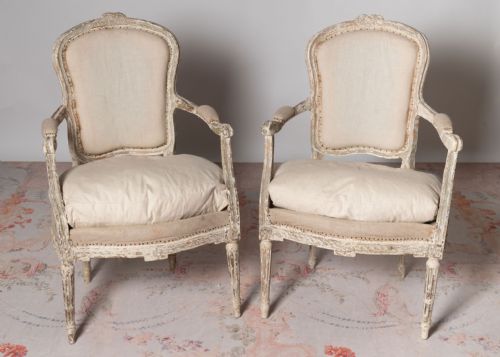
White carved wood armchairs encompass diverse historical periods ranging from eighteenth century George III designs to nineteenth century Gothic Revival and Louis XVI revival pieces, alongside later twentieth century iterations. Buyers encountering these listings will discover pairs and sets featuring painted timber frames, gesso embellishments, and various upholstery types.
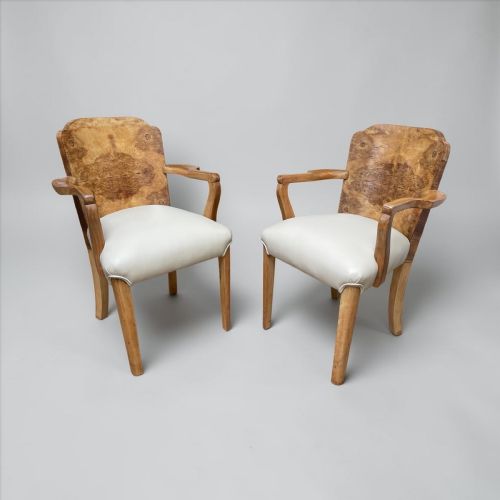
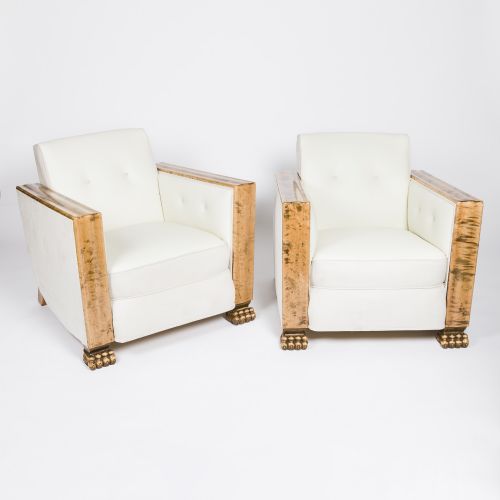
The aesthetic bridges formal Neoclassical symmetry and ornate Rococo curves, capturing the essence of French Provincial taste and English craftsmanship. Pieces span from heavily carved nineteenth century dug out chairs to lighter Art Deco occasional seating finished in painted wood.
Origins vary between English workshops and continental European studios, particularly Piedmontese and French makers producing revival furniture. Most examples rely on historic painted finishes, distressed patinas, or bleached oak to achieve their characteristic pale appearance.
Materials and construction methods
Construction relies upon traditional timber framing, utilising woods such as oak and general painted timber that provide sturdy structural foundations for elaborate carving. Artisans applied layers of gesso to smooth surfaces before finishing them with paint, creating a durable base for decorative detail.
Upholstery techniques incorporate traditional fabric, damask fabric, and leather secured with brass tacks, reflecting the seating requirements of their respective eras. The integration of carved wooden elements with textile panels demonstrates the collaborative skills of woodworkers and upholsterers.
A nineteenth century dug out chair sits proudly among the refined salon seating, reminding us someone carved a whole seat from a single log.
Distinctions in quality and execution
Superior examples display crisp, deeply articulated hand-carving that retains clean geometric or organic lines across the wooden frame, whereas lesser pieces show softer, shallower relief work from mechanical production or excessive wear. The integrity of the underlying timber and the precision of the joinery determine the structural longevity of each chair.
The application of the painted finish dictates visual refinement, with historical gesso and layered paint outperforming hasty modern overpainting in texture and depth. Furthermore, the selection of original or period appropriate textiles such as damask fabric and leather elevates the authenticity of the piece.
The White Carved Wood Armchairs Glossary
- Gesso
- A plaster mixture applied to wood surfaces to prepare them for painting or gilding. This ground layer allows for sharp, intricate relief carving.
- Rococo Revival
- A nineteenth century movement mimicking the ornate, asymmetrical scrolls and naturalistic motifs of the mid eighteenth century. It prioritises theatrical curves and playful ornamentation.
- Damask Fabric
- A reversible figured fabric traditionally woven on a jacquard loom. It is frequently utilised for formal period upholstery.
- Brass Tacks
- Small metallic fasteners with decorative heads used to secure upholstery edges to the wooden frame. They provide both structural hold and linear visual accent.
White Carved Wood Armchairs: Frequently Asked Questions
How do I identify a reproduction?
Examine the paint layers, tool marks on the wood, and the wear patterns on the frame and upholstery. Genuine older pieces display natural ageing and hand-chiselled details rather than uniform machine finishing.
Check the timber beneath any painted surface to ensure the wood matches the expected period characteristics. Consistent hand tool marks indicate traditional workshop production.
Are these chairs comfortable for daily use?
Many of these armchairs were designed for formal sitting rooms rather than lounging, meaning padding and ergonomics reflect past tastes. Suspension and cushioning vary significantly depending on whether the interior webbing and springs have been restored.
Consider whether the seat height and depth suit your intended room layout and daily seating habits. Professional reupholstery can improve comfort while preserving the historic wooden frame.
How should I clean painted wood?
Dust surfaces gently with a soft, dry cloth to prevent accumulation without abrasive friction. Avoid harsh chemical cleaners that can strip or soften historic paint and gesso layers.
Address stubborn marks cautiously using a barely damp cloth with mild soap, drying the timber immediately. Preserving the original patina requires minimal intervention and gentle maintenance.
Can I mix different revival styles?
Combining pieces from different eras, such as Louis XVI revival alongside Art Deco chairs, works well if united by a common painted palette or wood tone. The contrast between ornate Rococo curves and cleaner geometric lines adds visual depth to a room.
Maintain balance by pairing heavy upholstered armchairs with lighter occasional seating. Cohesive textiles or neutral wall backdrops help disparate historical periods sit comfortably together.