
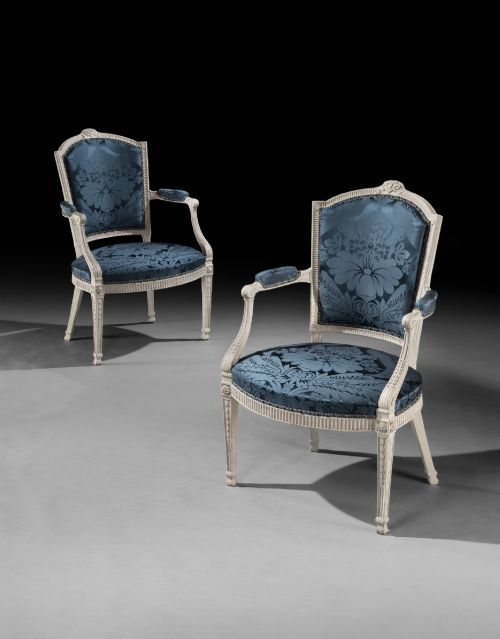


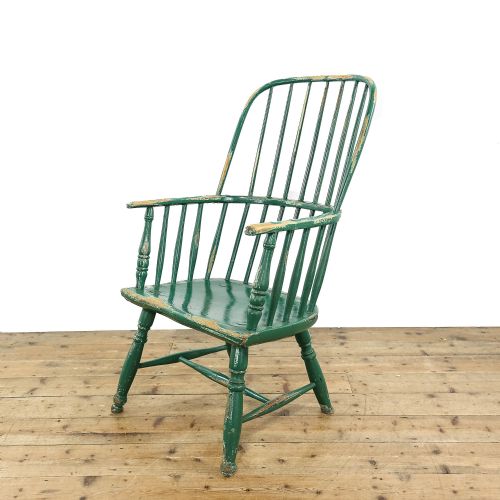


Georgian Painted Elbow Chairs
Georgian painted elbow chairs bring elegance to a room through delicate timber framing and decorative surface work.
Georgian Painted Elbow Chairs
When you search for georgian painted elbow chairs, you encounter seating originating primarily from the eighteenth century, including the Regency and George III periods. These pieces often feature armrests and supportive frames designed for comfort at a desk or in a parlour.
The selections available here range from refined neoclassical designs to vernacular country pieces. You will frequently find armchairs and desk chairs showcasing specific regional or period aesthetics.
Chinoiserie, Sheraton neoclassical, and traditional country influences shape the character of these items. Each piece demonstrates how makers adapted standard seating forms with painted finishes.
How they were made
Makers constructed these chairs using wood such as timber, mahogany, and ebonised varieties, frequently integrating caning for seats and back panels. Structural integrity relied on traditional joinery methods suited to elbow chairs and armchairs.
Surfaces received decorative treatments involving paint, polychrome decoration, and parcel gilt highlights. Certain examples incorporate detailed floral motifs, music themes, and japanned lacquering techniques.
Materials recorded on this page include damask fabric, cane, mahogany, and ebonised wood alongside standard painted timber.
What varies in quality
The refinement of the painted decoration dictates much of the visual distinction between examples. Fine polychrome or parcel gilt work demonstrates a higher tier of craftsmanship than basic monochrome finishes.
Originality of surface finish and structural elements remains crucial. Chairs retaining their original painted decoration and cane work command greater appreciation from collectors than heavily restored counterparts.
The Georgian Painted Elbow Chairs Glossary
- Elbow chair
- An armchair featuring supports for the arms, suitable for use at a desk or dining table. These pieces provide additional side support compared to standard dining chairs.
- Caned
- Woven rattan or cane material forming the seat or back panel of a chair. This technique offers a lightweight and flexible surface.
- Polychrome
- Decoration executed in multiple colours. This method enlivens the wooden framework with pictorial or botanical details.
- Parcel gilt
- The application of thin gold leaf to specific raised portions of a painted surface. It accentuates carved details and mouldings.
- Japanned
- European imitation of East Asian lacquerwork involving layered varnishes and decorative painting. The process creates a glossy, dark finish often associated with Chinoiserie styles.
Georgian Painted Elbow Chairs: Frequently Asked Questions
Where were georgian painted elbow chairs used?
These chairs typically served in principal reception rooms, drawing rooms, or private libraries. Wealthy households utilised them as desk chairs or decorative seating.
Their lightweight frames allowed servants to reposition them easily for entertaining or reading by natural light.
How do I care for painted wooden surfaces?
Maintain the finish by keeping chairs away from direct sunlight and fluctuating humidity levels. Dust gently with a dry, soft cloth.
Avoid commercial polishes or liquid cleaners that might degrade the underlying paint layer or gilt highlights.
Are caned seats durable for daily seating?
Original caning requires gentle treatment due to its age and delicate construction. While sturdy, it functions best with light everyday use.
Many owners add loose squab cushions to protect the woven surface from direct pressure.
How do I distinguish Regency from George III styles?
George III pieces often display restrained neoclassical symmetry, straight tapered legs, and classical motifs. Regency designs lean towards bolder archaeological influences, sabre legs, and more prominent ebonising.
Painted decoration also shifted over time, moving from delicate floral swags to striking contrasting borders.