



White Architectural Mirror
A white architectural mirror brings proportion and light into a room, channelling classical building forms through painted frames.
White Architectural Mirror
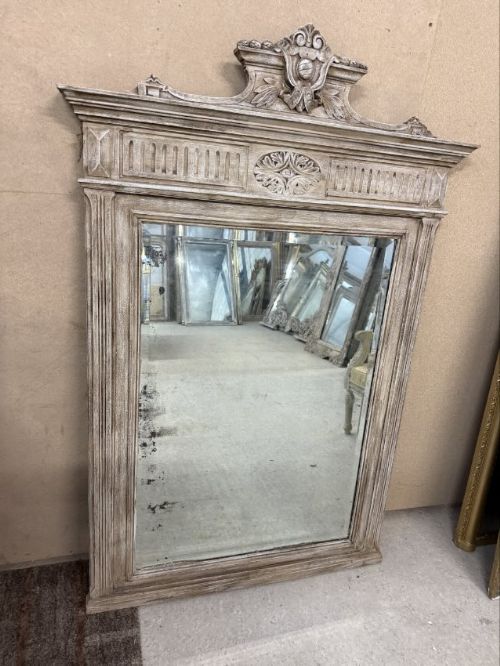
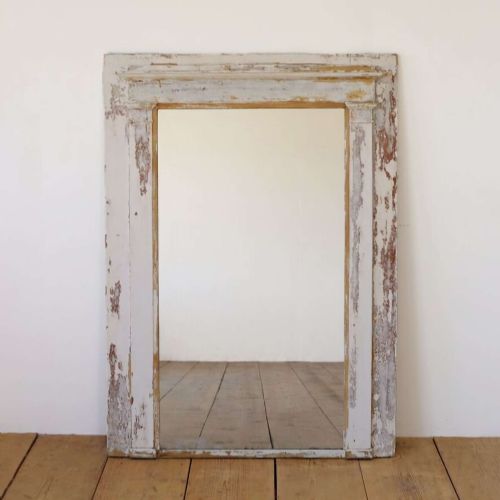
A white architectural mirror draws upon classical building design, translating pediments, columns, and panelling into wall-hanging formats. When buyers search for a white architectural mirror, they encounter large overmantle pieces, window mirrors, and trumeau panels that visually expand interior spaces. The selection spans periods from the eighteenth century through the Victorian era, alongside Regency, Georgian, and French country styles.
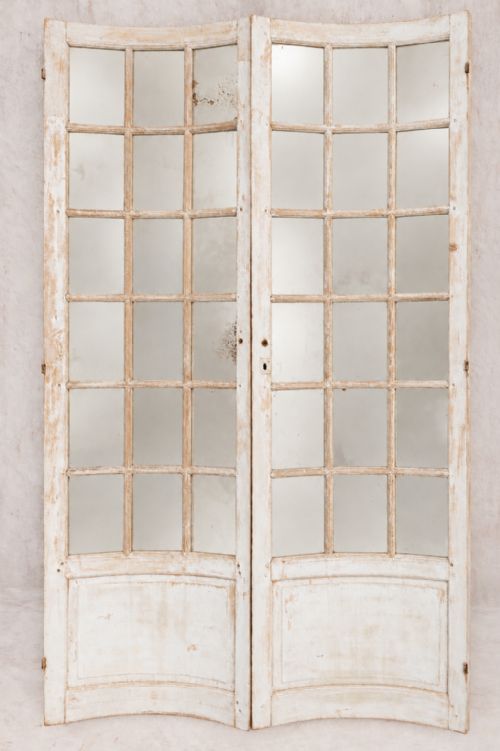
Most examples found here combine carved wood, gesso, and painted finishes in shades of white or off-white. Forms range from column-framed overmantle mirrors to triptych formats and repurposed window frames with glass inserts. These objects serve primarily as striking focal points above fireplaces or along main walls.
How they were made
Carved wood provides the structural foundation for these frames, often enhanced with applied gesso to build up crisp architectural details like columns and capitals. Artisans shaped timber into neoclassical pediments, paneled doors, and tabernacle frames before applying layered paint finishes. Parcel gilt details frequently highlight the carved mouldings against the painted white background.
Glass panels, including original mirror glass, are fitted into heavy timber rebates behind wooden or iron frames. The combination of carved wood, cast iron in industrial variants, and hand-applied paint creates durable surfaces that age with distinct character over centuries.
White Architectural Mirror Retail Price Guide 2026
Typical asking prices for white architectural mirror among the pieces listed under this phrase on Sellingantiques today, from the lower quarter to the upper quarter. They describe what is for sale here now, not the wider market.
Some window mirrors retain enough stubborn putty to prove they once watched the weather change over a French courtyard.
What varies in quality
Quality rests in the crispness of the carving and the integrity of the architectural proportions. Finer pieces display deeply undercut carved wood and precise gesso ornament rather than flat, moulded substitutes. The presence of original mirror glass and early painted surfaces elevates an object's integrity.
Scale and construction depth also separate standard items from superior works. Substantial frames with column framing or complex triptych layouts require advanced joinery to support heavy glass plates securely.
The White Architectural Mirror Glossary
- Overmantle mirror
- A large mirror designed specifically to hang above a fireplace mantelpiece. These pieces often feature horizontal proportions that reflect the width of the hearth below.
- Trumeau mirror
- A decorative wall mirror incorporating a painted panel or artwork above the glass plate. Originating in eighteenth-century France, these vertical panels were designed to fit between windows.
- Gesso
- A plaster-like mixture applied to wood frames to create a smooth surface for gilding or painting. It allows craftsmen to carve intricate relief details with sharp edges.
- Pediment
- A classical architectural element capping the top of a frame, taking triangular or segmental forms. It mimics the gable end of a classical building.
- Triptych
- A mirror divided into three distinct vertical sections or panels. This configuration echoes multi-panelled altarpieces or folding screens.
White Architectural Mirror: Frequently Asked Questions
How do I hang a heavy architectural mirror?
These substantial frames require heavy-duty wall fixings anchored directly into structural studs or masonry. Professional mirror hangers utilise french cleats or steel brackets rated for the specific weight of the carved wood and glass.
Position the mirror at a height that reflects eye level or catches natural light from opposite windows. Ensuring the weight rests securely on load-bearing points protects both the wall and the antique frame.
Are these mirrors suitable for bathrooms?
Placing antique painted frames in high-moisture environments requires caution to preserve the historic gesso and wood. Steam can affect original painted surfaces and cause silvering degradation on older mirror glass.
Ensure adequate ventilation if you place one in a washroom, and keep the wooden backing clear of direct water contact. Many buyers prefer living rooms, hallways, or dining spaces where environmental conditions remain stable.
How do I clean an antique mirror frame?
Dust the carved wood and gesso elements gently with a soft, dry brush to prevent dirt accumulation in recessed details. Avoid harsh chemical cleaners or excess water that might strip historic paint or parcel gilt.
Use a mild glass cleaner applied to a cloth rather than directly onto the mirror plate to protect surrounding wood. Regular light maintenance preserves the patina built up over centuries of use.
What is the difference between an overmantle and a wall mirror?
Overmantle mirrors are engineered with horizontal proportions intended to sit precisely above fireplace surrounds. Their frames frequently incorporate classical architectural motifs designed to anchor large wall spaces.
Standard wall mirrors span various shapes and vertical orientations suited for placement between furniture pieces or along corridors. Both types utilise similar carved wood and painted finishes but serve distinct spatial functions.