

White Chest
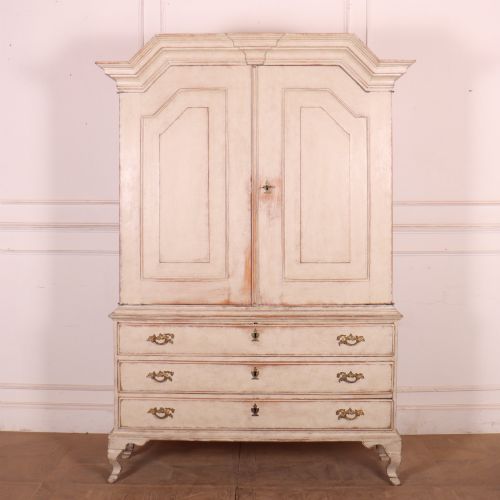
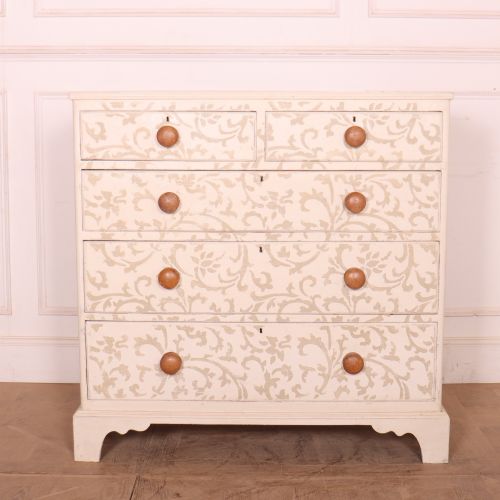
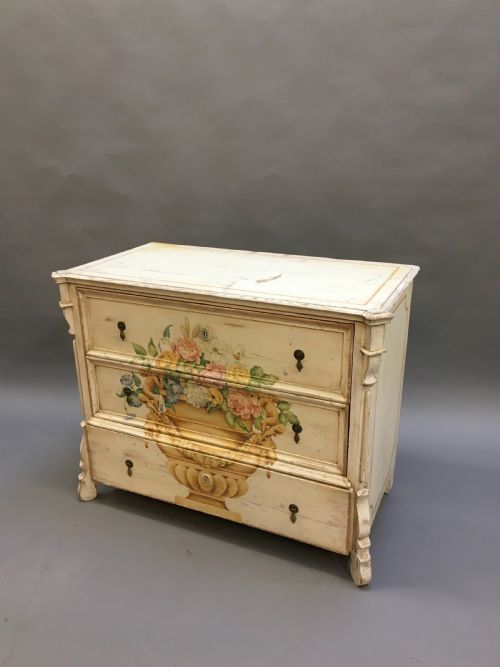
A white antique chest brings painted surface and timber utility together, offering domestic storage shaped by eighteenth, nineteenth and early twentieth century hands.
White Chest
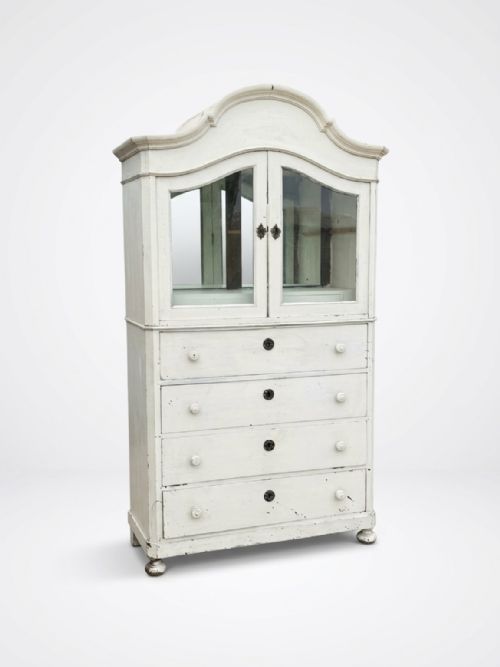
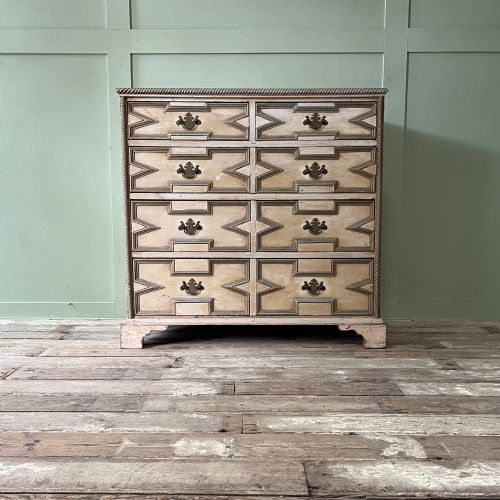
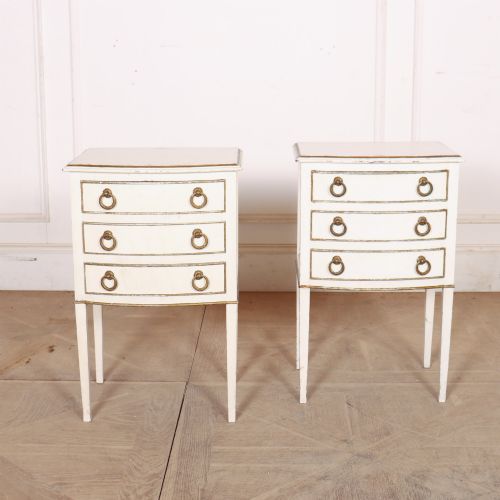
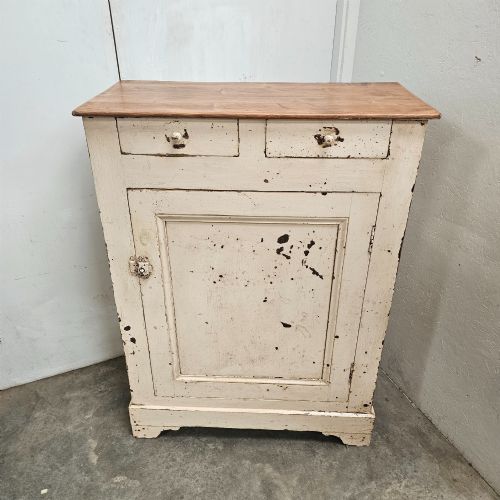
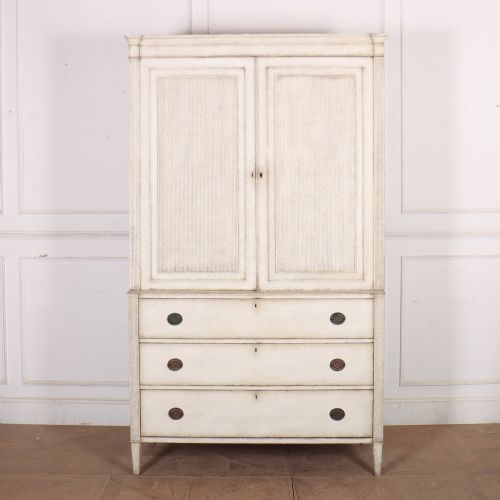
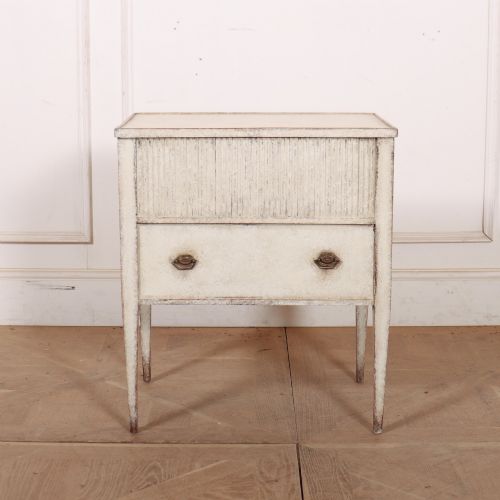
When you search for a white antique chest, you encounter storage furniture spanning the eighteenth, nineteenth and early twentieth centuries, originating from English, French, Swedish, German, Dutch and Italian workshops. The pieces take many forms, including chests of drawers, commodes, bedside cabinets, linen cupboards and shop fittings, each designed for domestic or commercial storage.
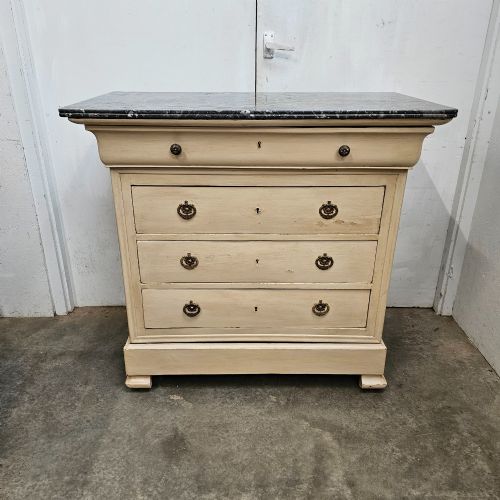
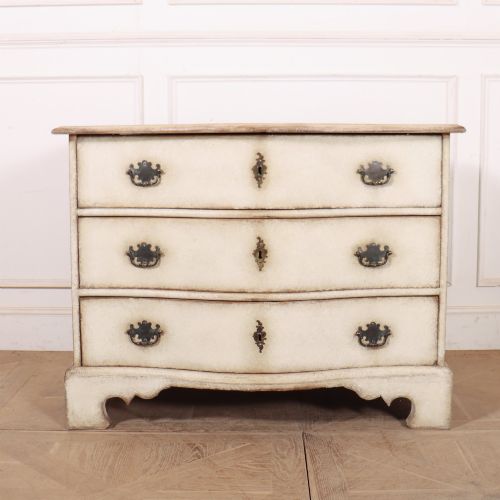
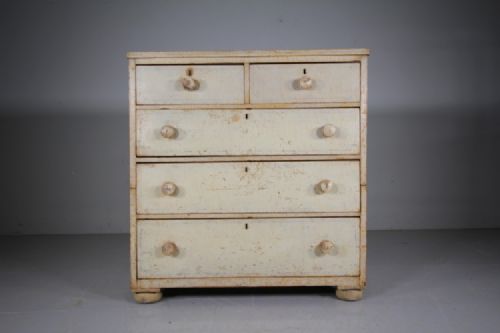
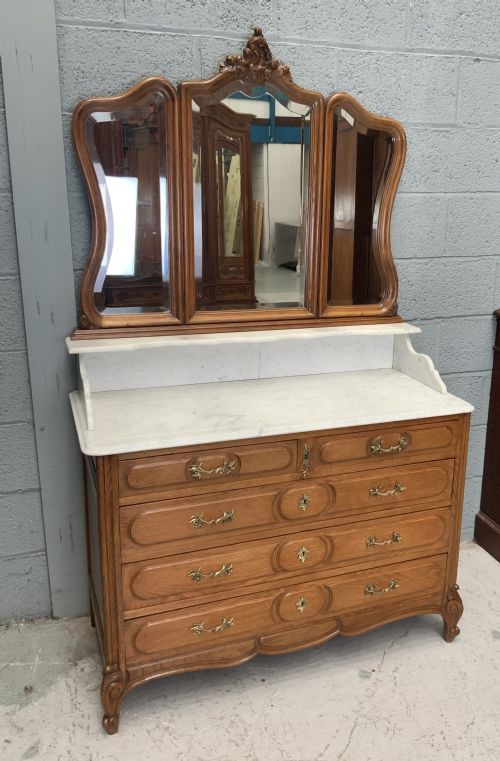
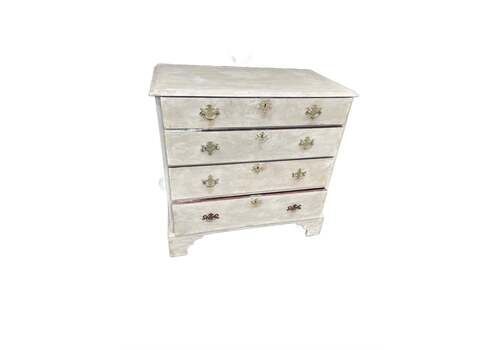
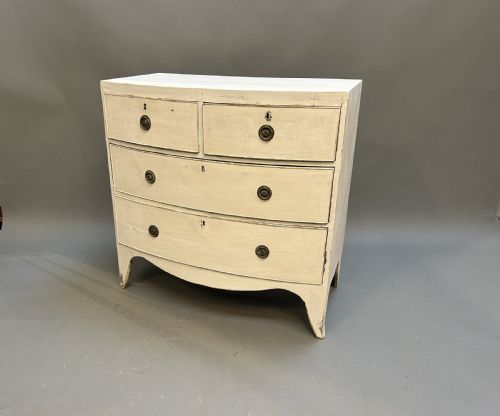
The most frequent form on this page is the painted pine or softwood chest of drawers, often finished in pale or white tones reflecting Scandinavian, French Provincial or English country tastes. These range from simple two-part construction to elaborate serpentine fronts with marble tops and decorative carved details.
Materials and Construction
Makers utilised solid timbers such as pine, oak, cherry and mahogany, frequently applying layers of paint or whitewash over the wood to achieve a pale, decorative surface. Structural assembly relied on traditional joinery methods, including dovetail joints for drawers and pegged framing for larger cupboards and chests.
Surface treatments included hand-brushed paint finishes, sometimes distressed by age or decorated with chequered patterns and subtle motifs. Hardware such as brass handles, metal pulls and white porcelain knobs completed the construction of these storage pieces.
Listings feature pine, mahogany, oak and cherry woods, frequently combined with marble tops, brass hardware and porcelain knobs.
Distinction in Craft
Quality rests in the integrity of the timber preparation and the subtlety of the painted finish rather than mere surface decoration. Superior examples display balanced proportions, crisp joinery in the drawer framing and authentic period paint layers that have aged naturally with the wood underneath.
Lesser items may show heavy later repainting that obscures original mouldings or clumsy alterations to timber carcases. The distinction lies between pieces retaining their genuine period character and those carrying unsympathetic modern restorations.
Sir Clough Williams-Ellis·Edwards and Roberts·Spode
The White Chest Glossary
- Commode
- A low chest of drawers or cabinet, frequently featuring a serpentine or bow front and associated with eighteenth and nineteenth century continental craftsmanship.
- Serpentine
- A curved furniture front characterised by a convex centre flanked by concave ends, requiring skilled woodworking and careful shaping.
- Pine
- A softwood commonly utilised for country furniture and painted cabinets throughout the eighteenth and nineteenth centuries.
- Washstand
- A specialised piece of furniture designed to hold a basin and pitcher, often fitted with a marble top to protect against water splashes.
- Chest-on-chest
- A tall storage unit comprising one chest of drawers stacked directly upon a larger lower chest, popular in the eighteenth century.
White Chest: Frequently Asked Questions
What is a white antique chest?
A white antique chest is a piece of period storage furniture finished in paint, whitewash or pale gesso, originating from workshops across Britain and continental Europe.
These pieces encompass utilitarian pine chests, elegant French commodes and Swedish country cupboards dating from the eighteenth century onwards.
How were these chests used?
They served primary storage functions in domestic bedrooms, hallways and reception rooms for clothing, linens and household goods.
Some specialised variants, such as shop fittings or washstands, fulfilled commercial or personal hygiene requirements in nineteenth century interiors.
How do I live with a painted chest?
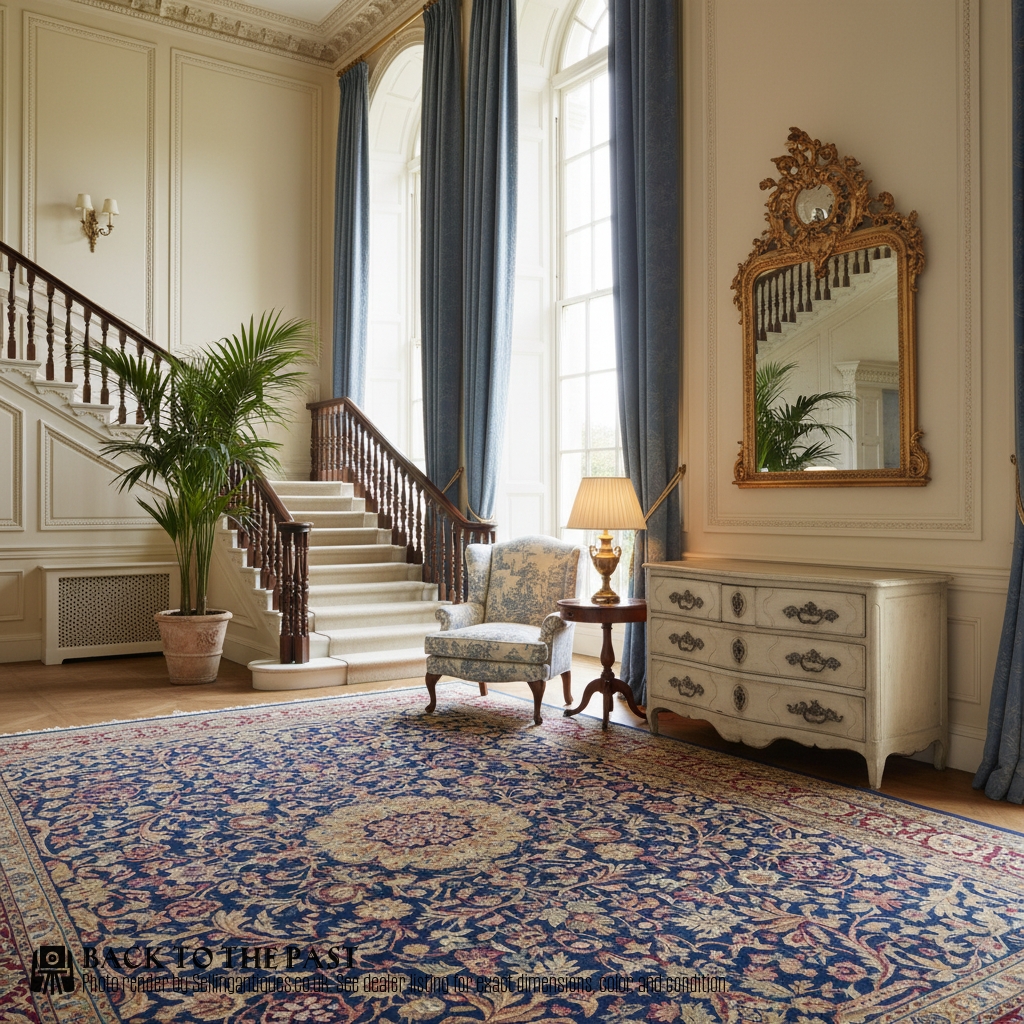
Integrating a painted antique chest into a room relies on pairing its weathered surface with complementary neutral or contrasting interior textures.
Routine maintenance involves dusting with a dry cloth and avoiding harsh chemical cleaners that might disturb the historical paint layers.
How can I tell the period?
Dating relies on examining the construction methods, such as hand-cut dovetails, timber types, and the composition of underlying paint layers.
Stylistic cues like serpentine shaping, hardware styles and regional design traits help distinguish eighteenth century pieces from later Victorian or Edwardian revivals.