




Welsh Occasional Table
These welsh occasional table examples are sturdy country pieces in oak, pine, and elm, offering useful surface space with honest vernacular charm.
Welsh Occasional Table
When searching for a welsh occasional table, buyers encounter a range of vernacular forms including cricket tables, tripod tables, side tables, and tavern tables. These domestic items hail predominantly from the Georgian period and the eighteenth and nineteenth centuries, with occasional examples stretching back to the seventeenth century. They serve as adaptable furniture that brings rural character and solid construction to modern interiors.
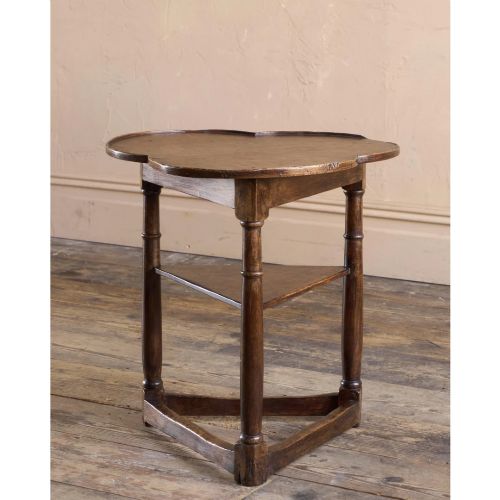
The materials and styles reflect a utilitarian country tradition, utilising local timbers such as oak, pine, elm, and occasionally mahogany. Many pieces embrace a rustic country or primitive style, sometimes featuring painted finishes or brass details. Forms vary from three-legged cricket tables with trefoil tops to low rectangular side tables and two-tier designs.
How they were made
The construction relies heavily on native timbers, with oak, elm, and pine forming the primary structures for these country tables. Joinery is straightforward and robust, designed for everyday utility rather than courtly display. Makers utilised simple turned legs, pegged joints, and solid plank tops to ensure stability on uneven farmhouse floors.
Surface treatments range from natural waxed oak to painted finishes and marble inserts. The evidence shows traditional carpentry methods combined with regional vernacular designs, resulting in pieces like folding coaching tables and tripod formats that prioritize practical function.
Some cricket tables feature ingenious trefoil tops designed to tuck neatly into the corner of a crowded farmhouse kitchen.
What varies in quality
Quality in these rural tables is determined by the integrity of the timber, the honesty of the construction, and the balance of the proportions. Earlier examples from the seventeenth and eighteenth centuries often display superior patination and hand-worked surfaces compared to later nineteenth-century pieces. The thickness of the plank top and the retention of original surface finishes significantly influence the character of each piece.
Regional variations and uncommon configurations, such as trefoil tops or early tripod bases, elevate specific items above standard utility forms. The distinction lies in whether the piece retains its original structural elements and unblemished country aesthetic rather than applied ornamentation.
The Welsh Occasional Table Glossary
- Cricket table
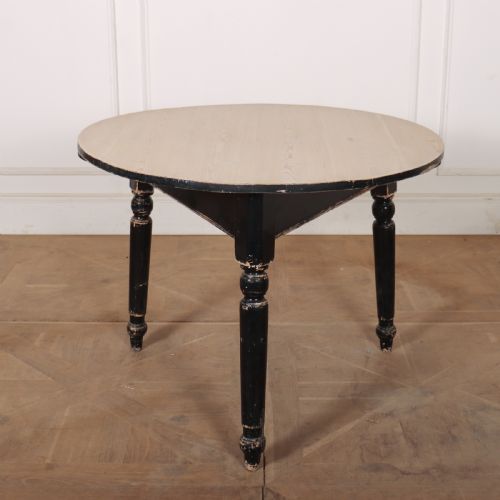
- A small, usually three-legged occasional table with a circular top, traditionally used near a hearth. The three-legged design ensures stability on uneven floors.
- Vernacular
- Architecture or furniture built by local craftsmen using traditional methods and native materials, without high-style academic design. These pieces reflect the practical needs of rural communities.
- Tripod table
- A small table supported by a central pillar resting on three feet. This form allows flexibility and easy placement in domestic spaces.
- Lowboy
- A small side table or dressing table with drawers, typically standing on four legs. Georgian versions in oak often served multiple domestic purposes.
- Patina
- The surface sheen and colour developed over decades of use, handling, and waxing. It indicates the age and authenticity of antique timber.
Welsh Occasional Table: Frequently Asked Questions
What is a welsh occasional table used for?
These tables provide compact surface space for lamps, drinks, or display in living areas. Historically, they served versatile domestic functions around the farmhouse.
Today, their modest proportions allow them to fit easily beside armchairs, in hallways, or as accent pieces in various rooms.
How do I identify a cricket table?
A cricket table is distinguished by its three splayed legs and a circular top, which is frequently made from solid oak or pine. This specific three-legged construction prevents wobbling on uneven stone floors.
Many examples feature a trefoil top shape or a lower undertier for extra stability.
What woods were used for these tables?
Makers relied heavily on native British timbers, with oak being the most common material seen across the periods. Elm, pine, and occasionally mahogany or painted surfaces also appear.
These woods were chosen for their local availability and durability in daily domestic service.
How do I date an antique table?
Dating relies on examining the construction methods, tool marks, timber characteristics, and style conventions. Pieces from the seventeenth and eighteenth centuries often show hand-pegged joinery and deep patination.
Comparing the form against documented vernacular styles helps narrow down the period of manufacture.