

Welsh Kitchen Dresser
A welsh kitchen dresser brings sturdy regional timber and open plate display straight from rural dining quarters into modern homes.
Welsh Kitchen Dresser
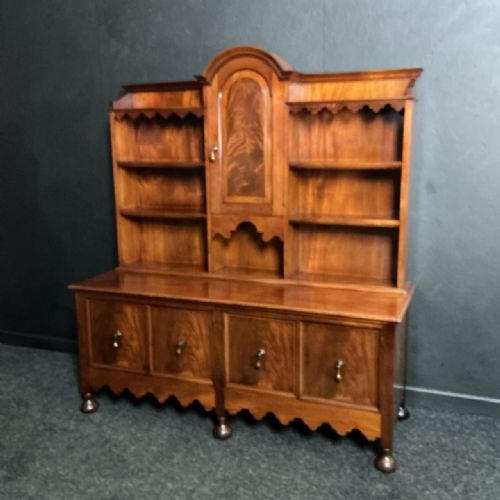
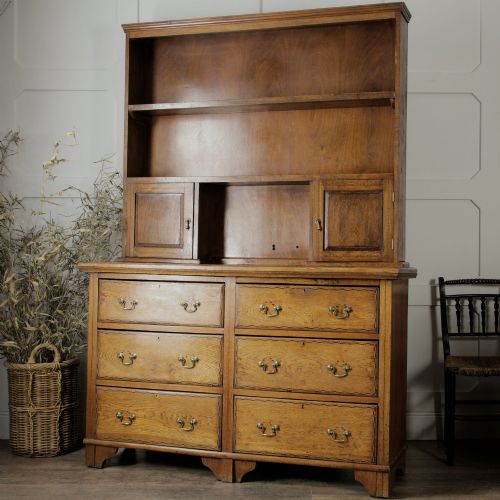
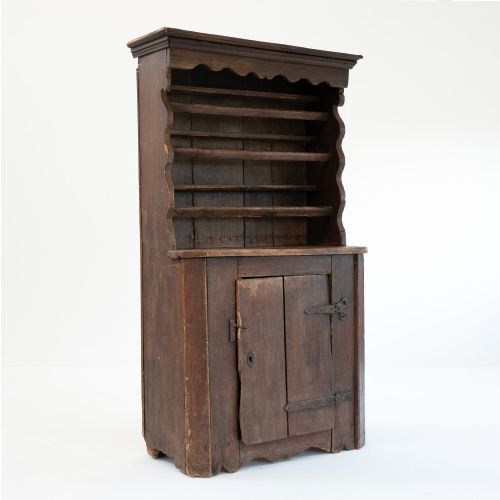
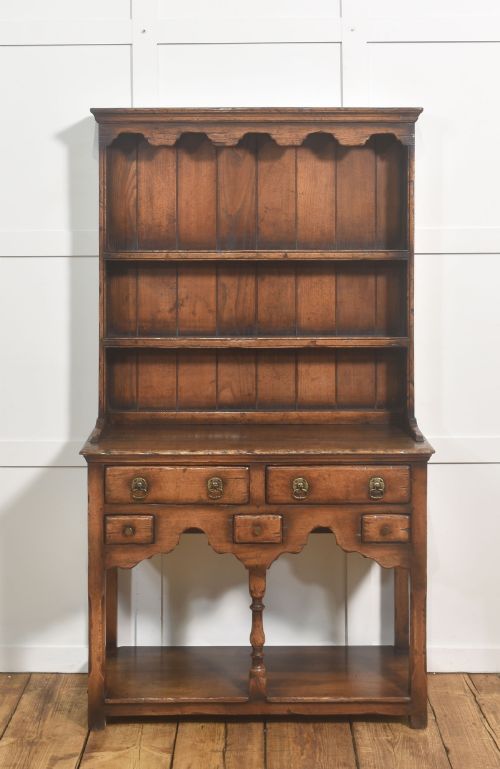
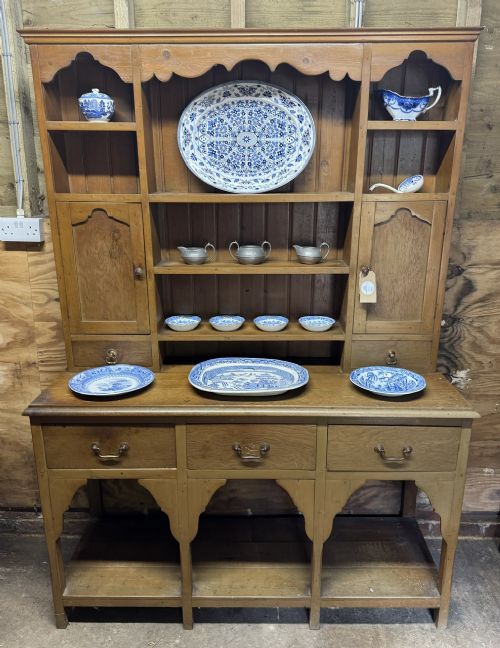
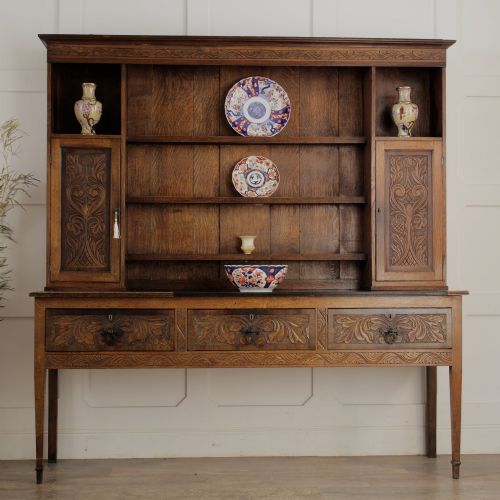
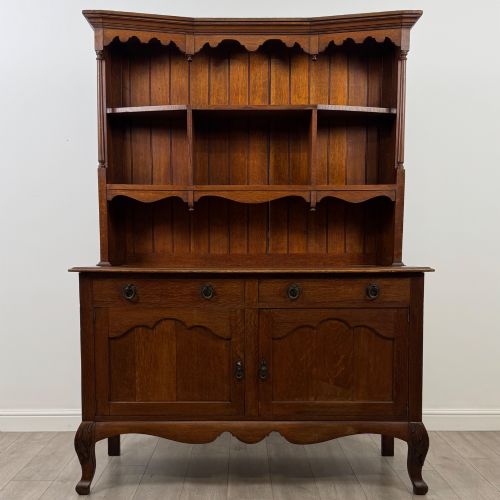
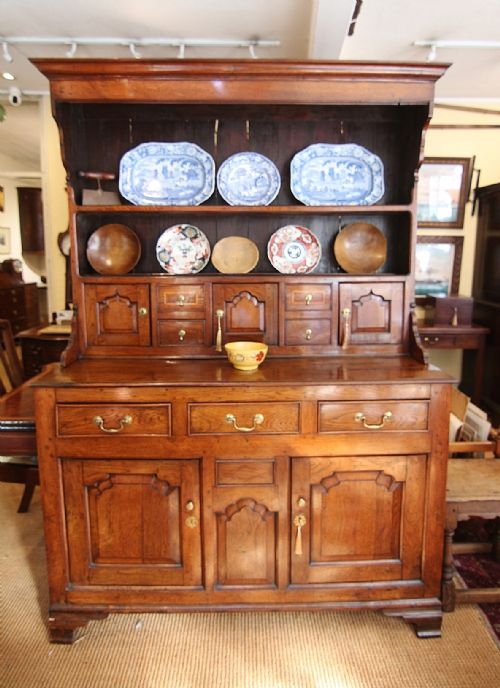
A welsh kitchen dresser combines a deep storage base of drawers and cupboards with an upper plate rack for display. These pieces evolved as central working furniture in farmhouses and country cottages across Wales and the broader British countryside.
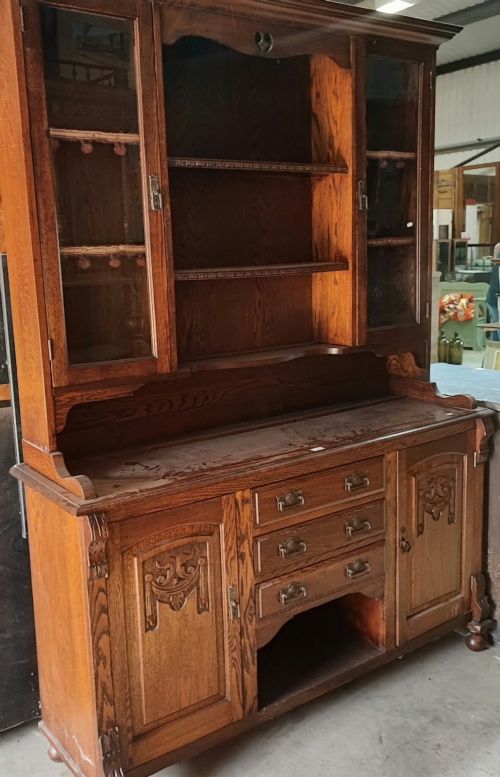
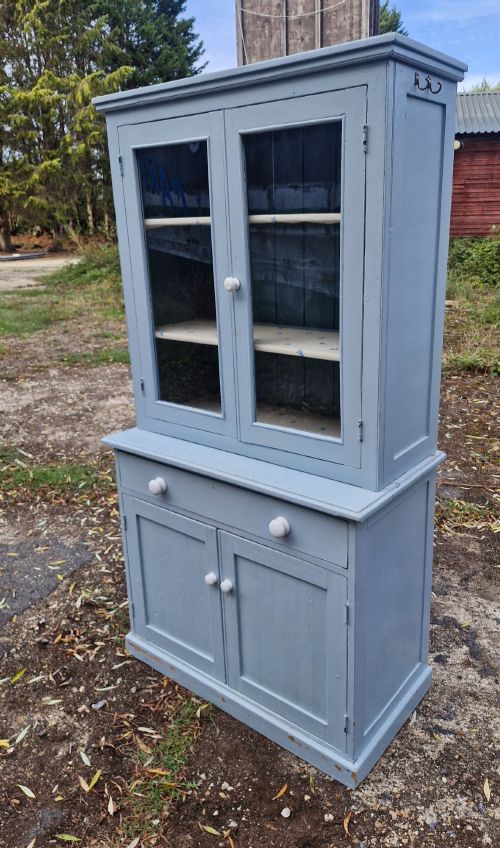
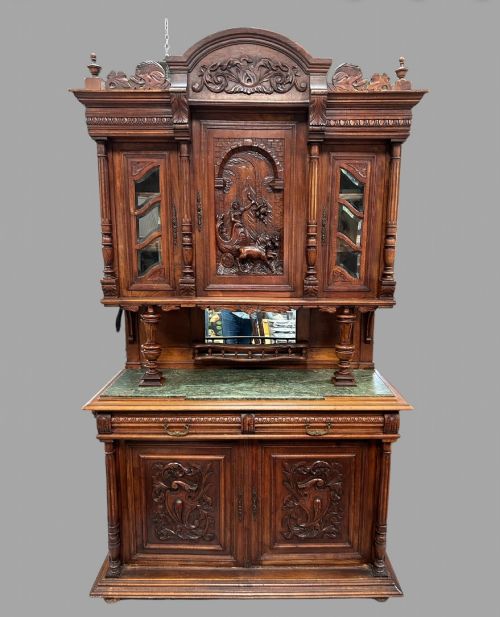
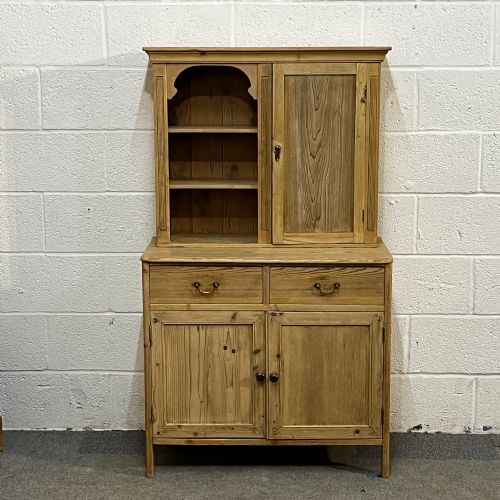
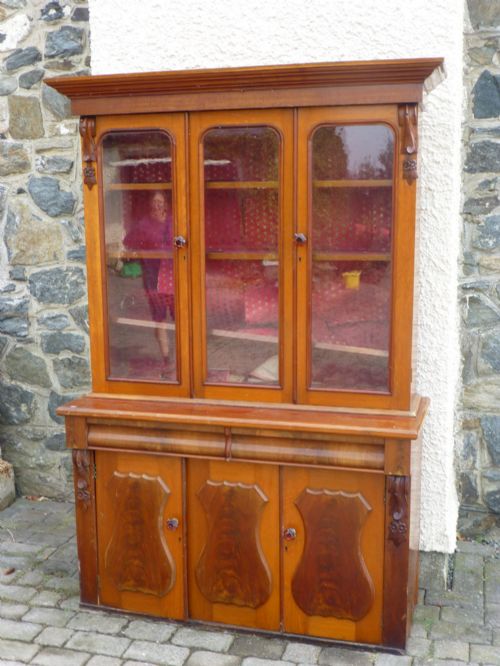
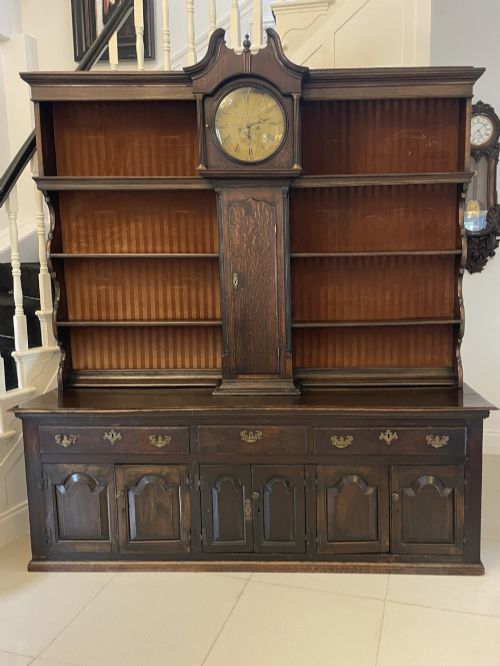
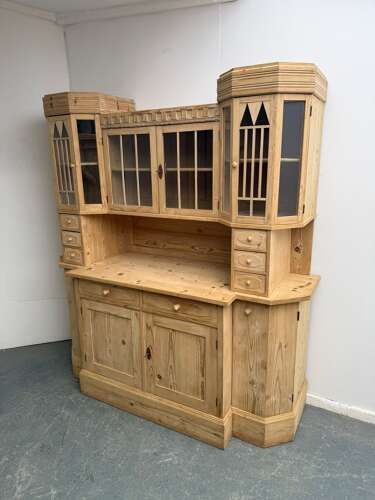
Buyers encounter variations spanning eighteenth-century vernacular designs to later Victorian and Edwardian iterations. Formats range from open potboards to glazed bookcases and two-part cupboards fitted with brass or iron hardware.
Materials and Construction
Carpenters relied primarily on solid regional timbers, building frames and bases predominantly from oak, pine, and occasionally mahogany or walnut. Surfaces frequently showcase original painted finishes, waxed patinas, or subtle inlay work.
Construction techniques balanced utility with local aesthetic traditions, integrating dovetailed drawers, panelled doors, and pegged joints. Upper plate racks were built directly onto the base or attached separately for daily domestic use.
Periods represented span from the eighteenth century through the Georgian and Victorian eras into the early twentieth century.
Assessing Quality and Character
Quality rests in the integrity of the timber and the preservation of original surfaces rather than decorative excess. Pieces retaining untouched patinas, authentic hardware, and regional quirks command greater appreciation among collectors.
Proportion and regional identity define the upper tiers of these furnishings, such as distinctive Snowdonia or Anglesey builds. Altered plate racks or stripped surfaces shift examples away from their original vernacular context.
The Welsh Kitchen Dresser Glossary
- Potboard
- An open lower shelf beneath a dresser base traditionally used for storing pots and pans. It distinguishes earlier vernacular forms from enclosed cupboard bases.
- Plate rack
- The upper open shelving unit attached to a dresser designed to display ceramic plates and platters upright. This component defines the traditional welsh kitchen dresser profile.
- Vernacular
- Architecture and furniture built by local craftsmen using regional traditions and native materials rather than grand academic styles. These pieces reflect the specific daily needs of rural communities.
- Patina
- The surface sheen and colour developed over decades through handling, waxing, and ageing. Original patinas provide physical evidence of a piece's history.
- Dog kennel
- A central open recess situated between cupboards in the lower section of certain dressers. This space was originally utilised for storing small items or sheltering hunting dogs.
Welsh Kitchen Dresser: Frequently Asked Questions
What is a welsh kitchen dresser used for?
These pieces served as the primary storage and display hub in rural kitchens and pantries. The lower cupboards and drawers held cookware, provisions, and table linen, while the upper shelves showcased everyday ceramic plates.
Today, they function similarly in domestic settings, offering generous storage below and prominent display space for tableware or books above.
How do I tell an 18th-century piece from a Victorian one?
Earlier examples from the eighteenth century typically feature hand-pegged joinery, native oak construction, and open potboard lower sections. They display the simpler lines characteristic of regional vernacular furniture.
Victorian and Edwardian versions frequently incorporate pine, glazed upper doors, or more elaborate carved details influenced by changing domestic fashions.
How should I care for a waxed pine or oak surface?
Preserving the finish requires regular dusting with a soft, dry cloth and occasional applications of traditional beeswax. Avoid placing wooden furniture near direct heat sources or strong sunlight to prevent warping and drying.
Maintaining a stable indoor climate protects the historic timber and preserves the natural patina accumulated over generations.