



Welsh Cupboard Base
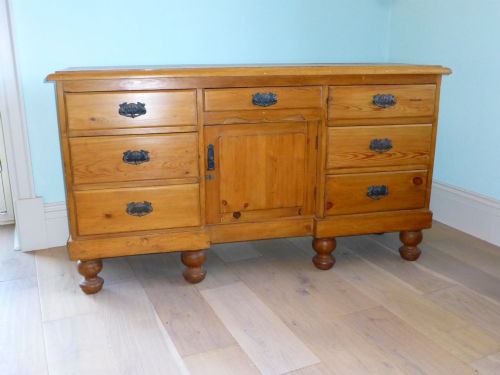
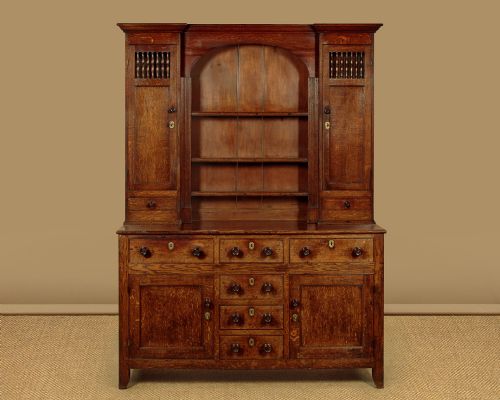
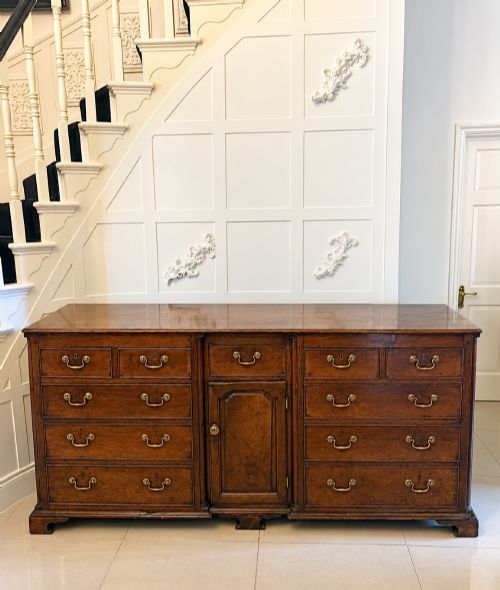
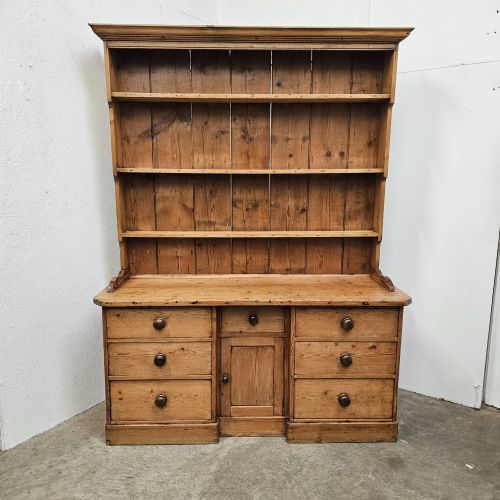
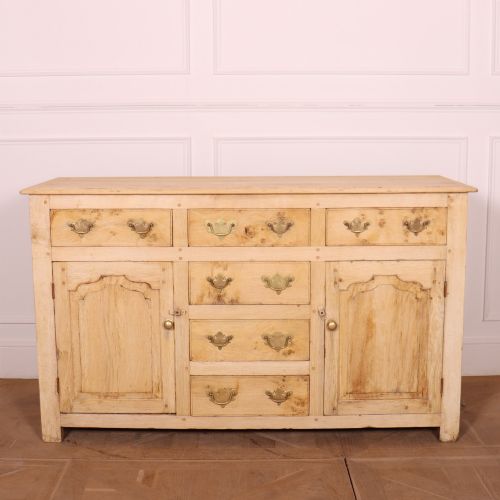
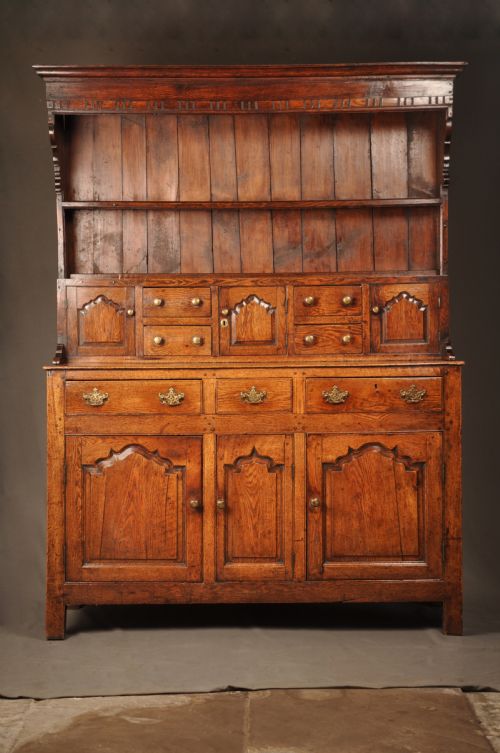
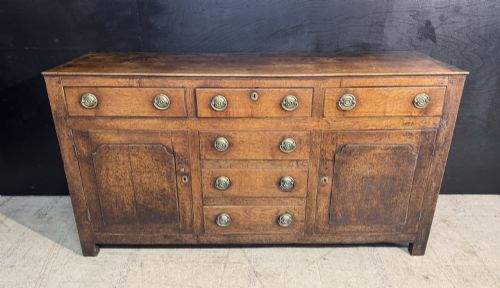
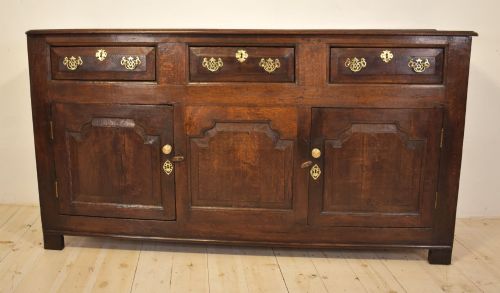
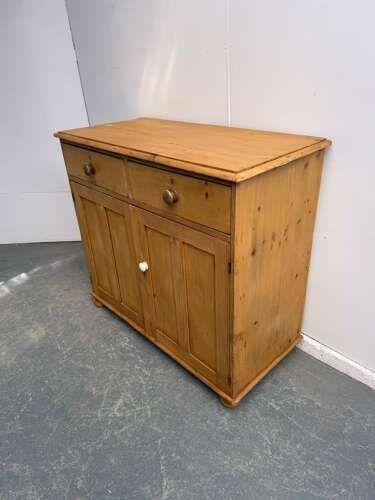
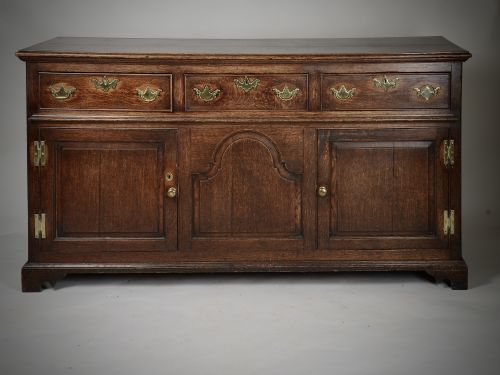
These welsh cupboard base examples are sturdy utilitarian storage furniture built for country kitchens, offering deep drawers and cupboards beneath sturdy surfaces.
Welsh Cupboard Base
A welsh cupboard base represents the lower section of a traditional country dresser, combining enclosed storage with a sturdy top surface. These utilitarian pieces emerge from rural domestic settings where food preparation and household storage occurred in the same room.
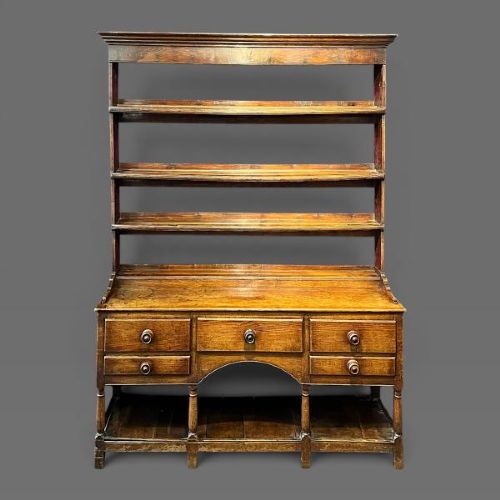
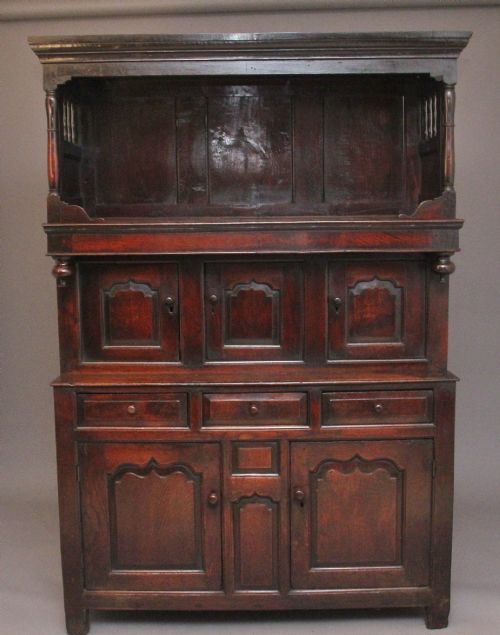
The pieces appearing here span from the eighteenth century into the twentieth century, with strong representation from Georgian and Victorian periods. Forms range from simple enclosed cupboards to examples featuring potboards, drawers, and rack combinations.
Regional variations connect these items to English country and Welsh vernacular traditions. Oak and pine dominate the construction, reflecting the timber available to local carpenters and country joiners.
Materials and Construction
Solid oak and pine provide the primary structural timber for these cupboard bases, often joined using traditional pegged mortise and tenon construction. Carpenters utilised native woods for structural strength, adding fruitwood inlay for decorative contrast on select surfaces.
Hardware consists of iron and brass handles, hinges, and escutcheons fitted to doors and drawers. Surfaces display the marks of hand-planing and waxing, developed through centuries of domestic use.
Welsh Cupboard Base Retail Price Guide 2026
Typical asking prices for welsh cupboard base among the pieces listed under this phrase on Sellingantiques today, from the lower quarter to the upper quarter. They describe what is for sale here now, not the wider market.
Many an eighteenth-century cupboard base still carries the faint aroma of beeswax and generations of kitchen spices embedded deep within the oak grain.
Judging Quality and Character
Quality rests in the integrity of the timber selection and the retention of original structural elements such as potboards, drawers, and panelled doors. Finer examples display balanced proportions and thoughtful integration of fruitwood inlay without over-restoration.
The handling of secondary woods and the preservation of original hardware distinguish workshop-made pieces from later vernacular adaptations. Patina accumulated through generations of daily use adds depth to the surface grain.
The Welsh Cupboard Base Glossary
- Potboard
- An open slatted lower shelf fitted beneath a dresser base to store heavy earthenware and pots. This platform is a defining characteristic of regional Welsh vernacular furniture.
- Deuddarn
- A traditional Welsh two-section oak cupboard featuring enclosed upper and lower compartments. These pieces show regional framing techniques.
- Tridarn
- A three-tier Welsh cupboard incorporating enclosed sections and display tiers. They represent more elaborate examples of early country joinery.
- Fruitwood inlay
- Decorative contrasting wood inserted into panels or rails to create geometric or floral patterns. This technique appears on select Georgian pieces.
- Vernacular furniture
- Domestic items built by local craftsmen using regional traditions rather than metropolitan pattern books. These pieces prioritise practical function over classical ornamentation.
Welsh Cupboard Base: Frequently Asked Questions
What is a welsh cupboard base?
A welsh cupboard base is the lower portion of a traditional country dresser, built with cupboards and drawers rather than open shelves. They served as primary storage units in farmhouse kitchens.
These pieces provide a solid working surface above enclosed storage for domestic utensils and provisions.
How do I date an old oak cupboard base?
Dating relies on examining construction methods, timber choice, and hardware styles across the piece. Hand-cut peg joins and native oak indicate earlier eighteenth-century craftsmanship.
Later Victorian and Edwardian examples often incorporate pine elements and machine-sawn components alongside revivals of earlier styles.
Where were these cupboard bases made?
These pieces originate from rural workshops across Wales and English country districts. Local carpenters built them to suit the specific storage needs of country homes.
Regional vernacular traditions dictated the choice of local oak or pine and the configuration of drawers and potboards.
How do I care for a waxed oak finish?
Maintaining a waxed oak surface involves regular dusting with a dry cloth and occasional application of traditional beeswax. Avoid placing the timber near direct heat sources to prevent splitting.
Gentle polishing preserves the natural lustre and historical patina accumulated across generations of use.