



Wedgwood Pottery Dish
These wedgwood pottery dish selections bring together centuries of creamware, lustre, and jasper ware designed for the table and display cabinet.
Wedgwood Pottery Dish
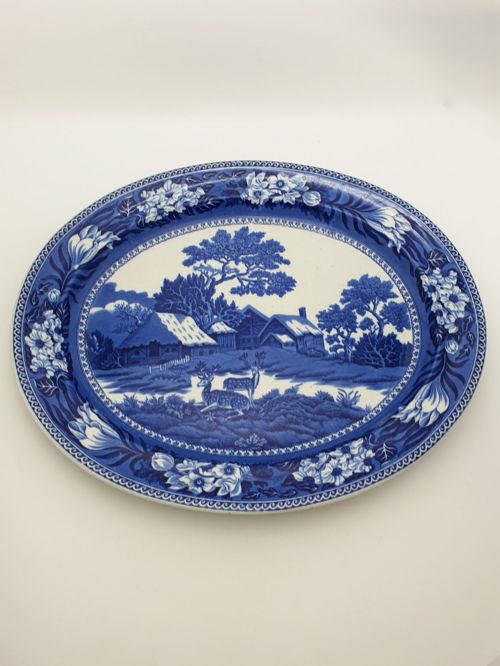
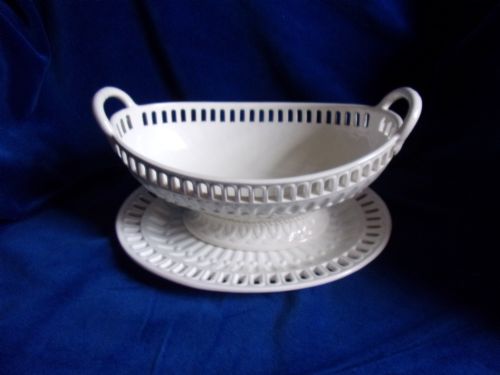
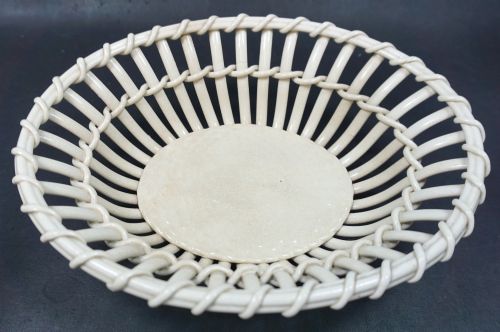
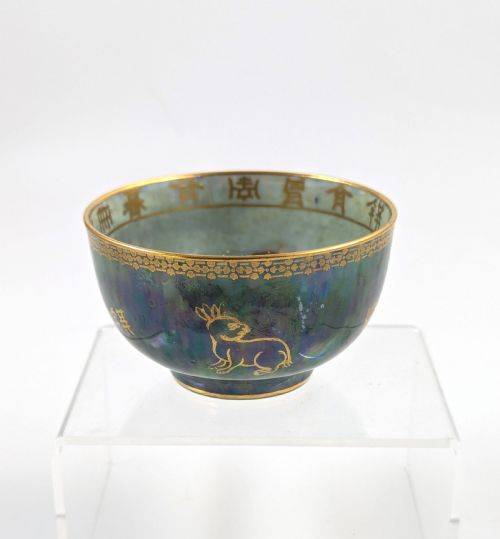
When you search for a wedgwood pottery dish, you encounter a diverse array of functional and decorative forms spanning multiple centuries. The selection ranges from early creamware baskets and caneware game pie dishes to vibrant lustre bowls designed in the twentieth century.
You are most likely to meet nineteenth-century creamware and jasper ware pieces alongside Edwardian and 1920s lustre bowls on this page. These objects demonstrate the changing aesthetic priorities of the pottery over generations, moving from utilitarian tableware to highly decorative art ware.
Materials and manufacture
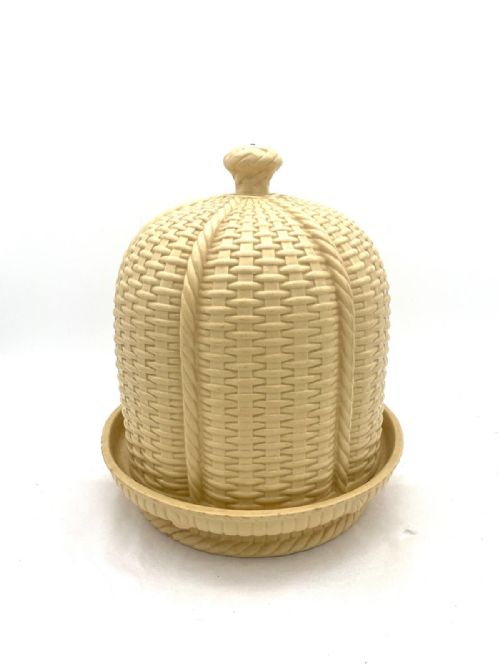
The pieces utilise varied ceramic bodies including earthenware, creamware, stoneware, drabware, and porcelain. Potters shaped these materials into intricate baskets, domes, and bowls using traditional forming techniques.
Decoration relies on applied enamels, gold leaf, and specialised glazes to achieve the distinct visual effects seen on lustre ware and jasper dip items. Hand-painted details frequently complement moulded surface textures like basket weave patterns.
Wedgwood Pottery Dish Retail Price Guide 2026
Typical asking prices for wedgwood pottery dish among the pieces listed under this phrase on Sellingantiques today, from the lower quarter to the upper quarter. They describe what is for sale here now, not the wider market.
Listings feature earthenware, porcelain, and stoneware spanning the Georgian, Victorian, and Art Deco periods.
Judging quality and execution
Quality reveals itself in the crispness of moulded relief work and the precision of hand-painted enamel and gilt details. Superior examples maintain sharp definitions in patterns like basket weave or neoclassical motifs without blurring or pooling in the glaze.
The richness and depth of lustre glazes differentiate standard production from exceptional art pieces. Control over firing and metallic applications determines the brilliance of the finish across bowls and decorative vessels.
Daisy Makeig-Jones·James Hodgkiss
The Wedgwood Pottery Dish Glossary
- Creamware
- A refined earthenware with a pale yellowish straw-coloured lead glaze developed in the eighteenth century. It became a staple body for tableware and baskets.
- Lustre ware
- Pottery finished with a metallic glaze that produces an iridescent or pearlescent sheen. Pieces often feature complex hand-painted scenes in contrasting colours.
- Jasper ware
- A fine-grained unglazed vitrified stoneware pioneered by Wedgwood, typically featuring white neoclassical relief figures against a coloured background dip.
- Drabware
- A heavy earthenware body characterised by its muted brownish-grey or olive tone. It was frequently utilised for nineteenth-century kitchen and cheese serving pieces.
- Caneware
- A hard unglazed stoneware body with a warm yellowish-buff colour resembling unbleached flax or bamboo. It was popular for game pie dishes and table wares.
Wedgwood Pottery Dish: Frequently Asked Questions
What is a wedgwood pottery dish used for?
These items served various dining and decorative functions in historical households, ranging from serving cheese and game pies to gracing tables as dessert services.
Smaller vessels like patch boxes and trinket containers were intended for personal use on dressing tables or in parlours.
How do I identify a 19th-century piece?
Nineteenth-century items often employ heavier bodies such as drabware, caneware, or creamware with moulded textures. Stylistic cues include Georgian and Victorian revival motifs.
Markings and the absence of twentieth-century lustre techniques further help distinguish these earlier utilitarian and table wares from later art pottery.
What makes lustre bowls different?
Lustre bowls date primarily from the Edwardian era and the 1920s, showcasing iridescent metallic finishes and imaginative pictorial designs. They represent a shift toward pure display rather than dining use.
Artists such as Daisy Makeig-Jones created intricate fantastical patterns that set these colourful bowls apart from traditional utilitarian earthenware.
How should I care for historic ceramics?
Historic ceramics require gentle handling and should be washed by hand in lukewarm water using mild soap when necessary. Avoid harsh abrasives that might damage delicate enamels or gold leaf.
Keep pieces away from direct sunlight and rapid temperature fluctuations to protect the glaze and ceramic body over time.