





Weathered Timber Table
These weathered timber table examples are honest utility pieces shaped by decades of use, offering genuine character for daily interiors.
Weathered Timber Table
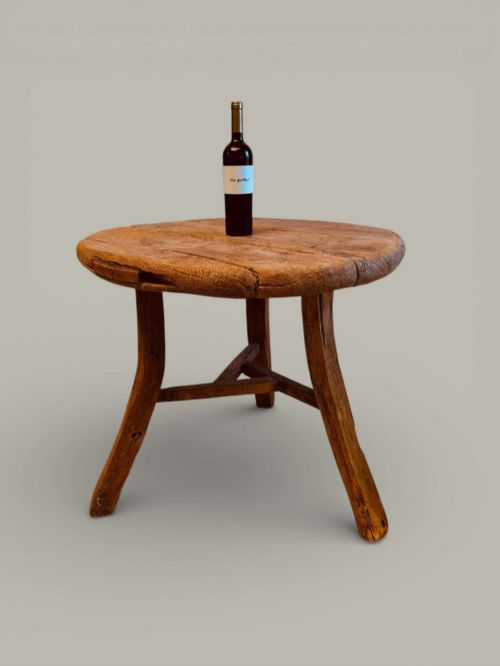
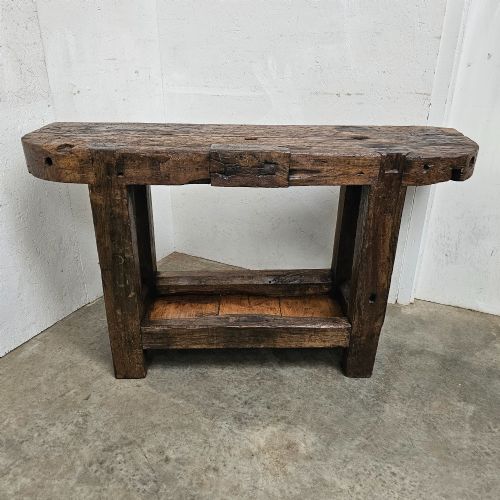
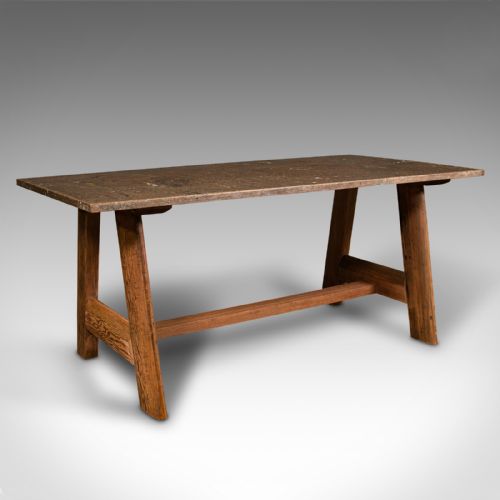
A weathered timber table brings utilitarian surfaces from past centuries into modern rooms, ranging from generous dining pieces to compact side tables. Buyers seeking a weathered timber table will frequently encounter nineteenth century French country examples alongside robust workbenches and rustic farmhouse designs.
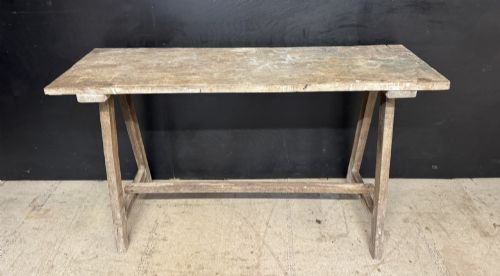
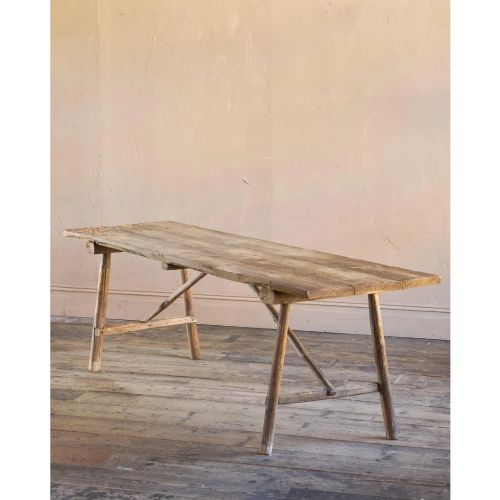
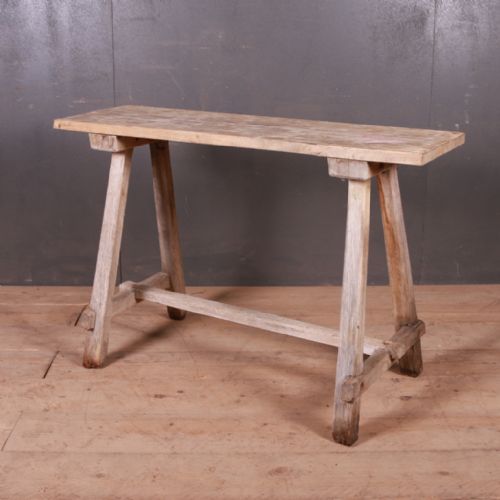
The selection encompasses diverse functional forms including trestle tables, console tables, coffee tables, and specialised chopping blocks. Oak, pine, elm, and softwood dominate the inventory, often displaying the marks of hard domestic or workshop labour from the nineteenth century and Edwardian periods.
Construction and materials
Construction relies heavily on solid timber, with oak, elm, and pine selected for structural durability and daily utility. Joinery is straightforward and robust, designed to withstand heavy physical work in kitchens, workshops, and provincial farmhouses.
Surfaces achieve their characteristic appearance through prolonged exposure, scrubbing, and natural ageing rather than applied finishes. Woods such as bleached oak and limed oak reveal grain patterns shaped by decades of use and weathering.
Weathered Timber Table Retail Price Guide 2026
Typical asking prices for weathered timber table among the pieces listed under this phrase on Sellingantiques today, from the lower quarter to the upper quarter. They describe what is for sale here now, not the wider market.
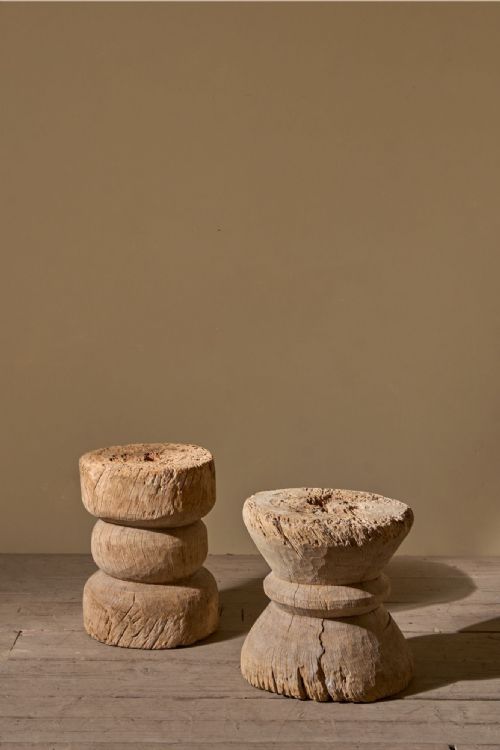
Several pieces preserve the intense working history of past trades, including dedicated pig scratching blocks and butcher chopping surfaces.
Assessing quality and character
Quality in these pieces is dictated by the integrity of the timber and the depth of natural patination accumulated over generations. Superior examples retain their original structural proportions and honest signs of wear without intrusive modern repairs.
The distinction between ordinary and exceptional pieces lies in the harmony of proportion, the honesty of the grain, and the historical integrity of the surface. Elements such as original tool marks and unpretentious joinery elevate a utilitarian object into a compelling interior focal point.
The Weathered Timber Table Glossary
- Patina
- The surface texture and coloration developed by wood through age, handling, and environmental exposure. It forms the primary visual appeal of older utility furniture.
- Trestle table
- A table construction where the top is supported by two or more upright frames connected by a horizontal beam. This design offers stability and ample legroom.
- Workbench
- A heavy-duty utilitarian table utilised for trade work, featuring thick timber tops and sometimes integrated vices. These have transitioned into striking decorative tables.
- Limed oak
- Oak wood treated with a white pigment or lime to highlight the open grain patterns. This finish imparts a softened, lighter tone to dark timber.
Weathered Timber Table: Frequently Asked Questions
How do I clean a weathered wooden table?
Maintain the surface by dusting with a dry cloth and occasionally applying natural beeswax to nourish the dry timber. Avoid harsh chemical cleaners that strip the historical patina.
Keep these tables away from direct heat sources and excessive moisture to prevent warping in solid oak, pine, or elm boards.
Are these tables suitable for daily dining?
Many of these pieces, particularly the farmhouse and trestle designs, were built precisely for heavy domestic use. Their sturdy timber construction handles everyday family meals with ease.
Use protective mats for hot dishes and liquids to preserve the historic wood surfaces from accidental staining or rings.
What is the difference between a workbench and a console table?
Workbenches originated as utilitarian fixtures for manual trades, featuring exceptionally thick tops and robust bracing. Console tables are typically lighter furniture pieces designed to stand against walls.
Both serve well in modern spaces, but workbenches offer a much heavier industrial presence and deeper historical utility.
How can I tell a nineteenth century table from a later copy?
Examine the timber for authentic tool marks, hand-cut joinery, and the natural shrinkage cracks associated with aged wood. Nineteenth century examples display inconsistent wear patterns reflecting genuine historical labour.
Hardware, pegging, and the integration of secondary woods often provide clear clues regarding the actual period of manufacture.