


Weathered Timber Side Tables
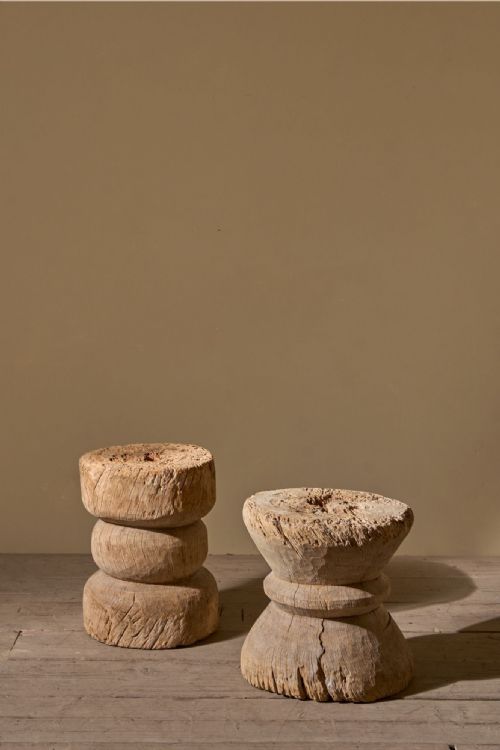
These weathered timber side tables bring genuine utility and age-worn character to a room through honest materials and practical design.
Weathered Timber Side Tables
When you search for weathered timber side tables, you encounter solid pieces shaped by decades or centuries of use. The selection spans the nineteenth century up to nineteen twenty, drawing on traditions of rustic folk art and provincial utility.
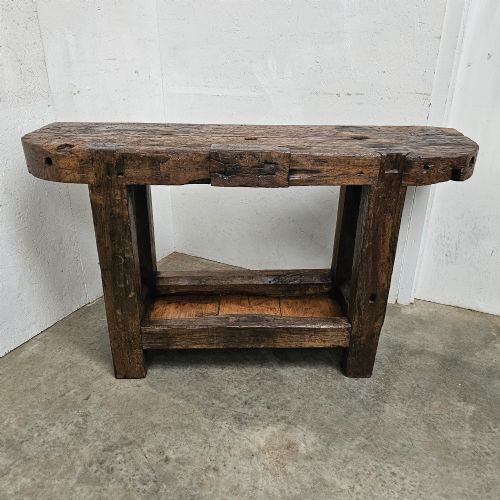
Most examples originate from French and British workshops, taking forms such as low tables, work tables, and occasional tables. These items reflect utilitarian pasts, often beginning life as workbenches, chopping blocks, or wash tables before finding a place in modern domestic interiors.
The aesthetic relies on honest construction and surfaces marked by time rather than decorative artifice. Buyers most frequently meet pieces fashioned from sturdy domestic woods that show the clear grain and rich patina of age.
How they were made
Makers relied on solid timber construction using robust woods like oak, elm, pine, and general timber. Boards were joined with traditional joinery methods suited to heavy daily use in workshops and kitchens.
Iron details such as wire or wrought iron appear in structural braces and hardware, reinforcing the heavy wooden tops. Surfaces were left largely untreated or finished naturally, allowing decades of use to impart the characteristic weathered texture.
Current listings feature pieces made entirely from solid timber, oak, elm, and pine, dating across the nineteenth century.
What varies in quality
Quality rests in the integrity of the timber and the honesty of the wear. Pieces retain their value when the surface texture reflects genuine age rather than artificial distress, showing a deep, natural patina built over generations.
Proportion and structural balance also distinguish the finer examples. Tables that keep their original fastenings and retain their sturdy stance demonstrate superior craftsmanship from their working origins.
The Weathered Timber Side Tables Glossary
- Elm
- A tough, interlocking timber frequently used for table tops and work surfaces because it resists splitting under heavy impact.
- Trestle table
- A sturdy table design consisting of two or more support frames connected by a horizontal beam, commonly seen in French country interiors.
- Primitive
- A descriptive term for furniture made outside urban centres by local artisans, prioritising function over academic stylistic rules.
- Worktable
- A utilitarian piece designed for practical tasks rather than formal display, featuring heavy timber construction and simple lines.
Weathered Timber Side Tables: Frequently Asked Questions
How do I use a weathered timber side table?
These tables fit easily beside seating as practical surfaces for daily items. Their sturdy builds also suit use in hallways or as low display stands.
Because the timber is already aged from past use, normal daily living adds to their character rather than harming the finish.
Are these tables suitable for modern rooms?
The honest materials and neutral tones of aged wood allow these pieces to sit comfortably alongside contemporary furniture. They introduce warmth and texture to clean, minimalist spaces.
Their varied origins, from French provincial workshops to rustic farmhouses, mean each piece brings a distinct focal point to a room.
How do I care for antique wood surfaces?
Keep the timber clean with a dry or barely damp cloth, avoiding harsh chemical sprays that strip natural oils. Occasional waxing helps nourish dry antique wood.
Protect the surface from excessive moisture and direct heat sources to preserve the historic patina.
How do I tell different periods apart?
Nineteenth-century examples often show hand-tool marks and heavier construction methods tied to working farmhouses or trade workshops. Pieces from the early twentieth century may incorporate simpler hardware.
Examining the grain, joinery, and type of timber helps place the item within its broader historical era.