

Weathered Planters
Weathered planters bring centuries of outdoor character to gardens, offering seasoned stone, iron and terracotta forms shaped by the elements.
Weathered Planters
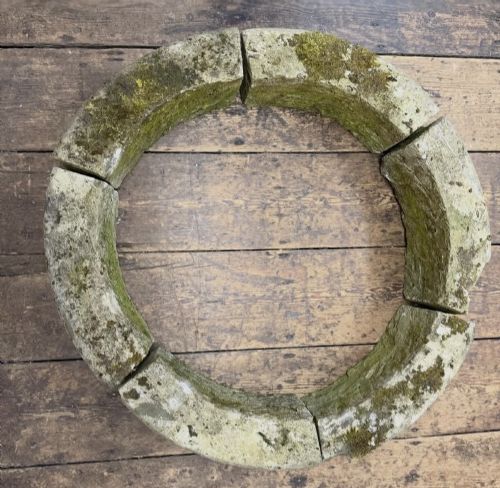
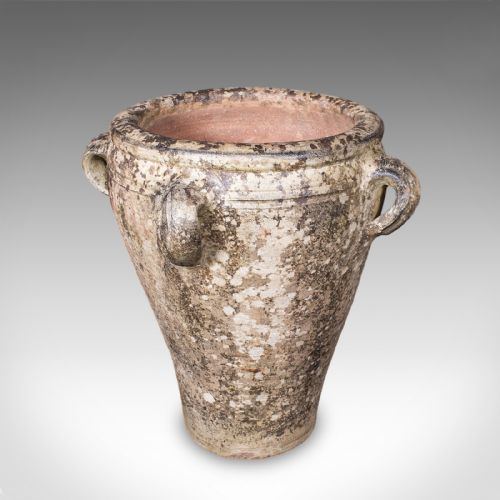
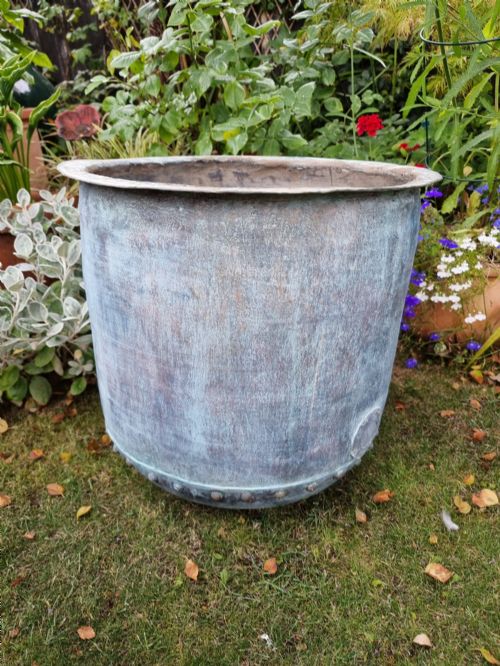
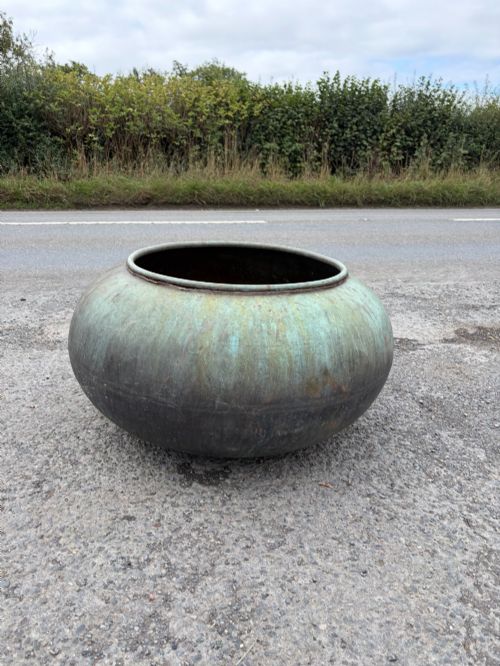
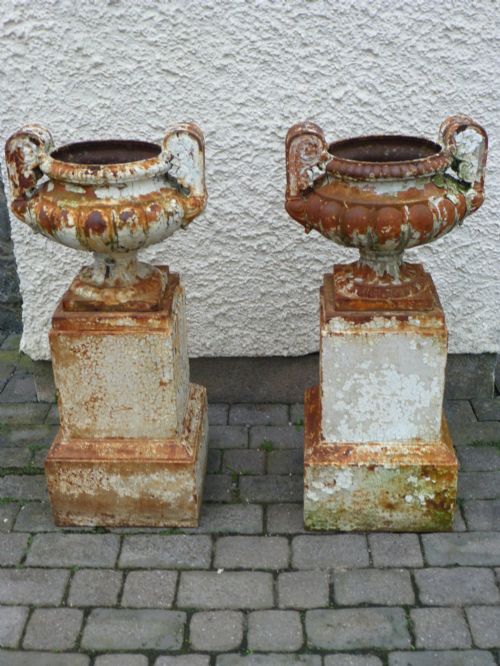
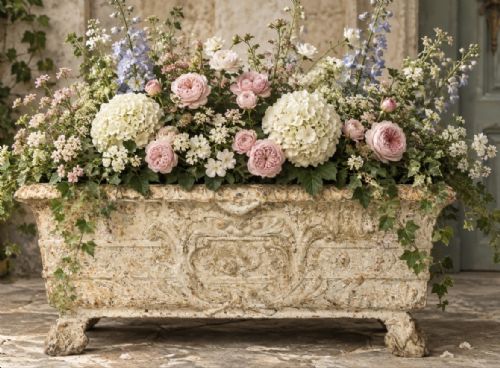
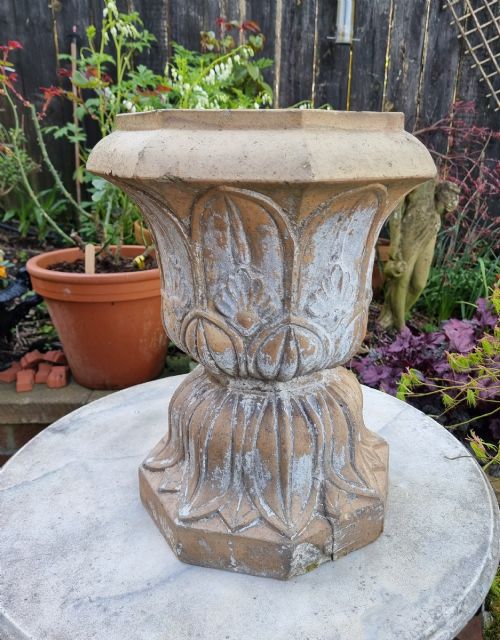
Weathered planters encompass garden urns, troughs, copper pots and terracotta jars that show the distinct patination of age. These vessels hold planting schemes or stand alone as structural garden accents.
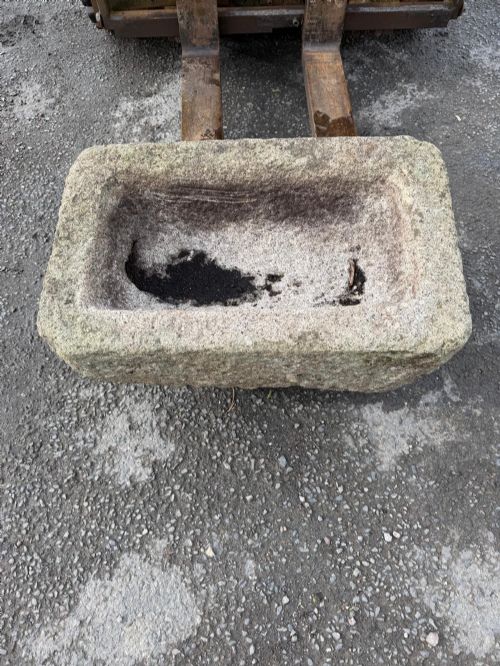
The selection here draws primarily from the nineteenth century, alongside eighteenth-century stone troughs and early twentieth-century cast stone pieces. Forms range from classical campana urns to utilitarian agricultural stone sinks and pig troughs.
Victorian and Regency examples dominate the iron and terracotta categories, often bearing the marks of foundry production or estate manufacture. Buyers meet both grand neoclassical designs and rustic farmhouse pots.
Materials and construction methods
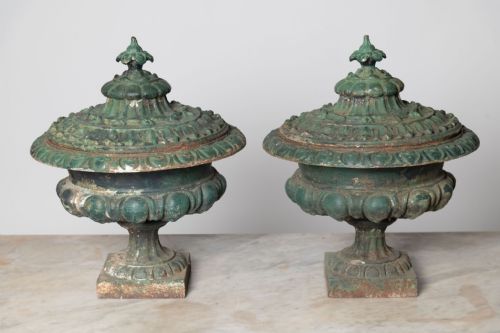
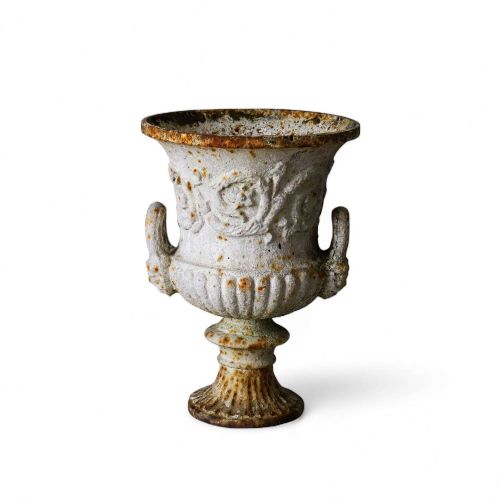
Cast iron and copper vessels utilise metal casting and riveting techniques, frequently finished with original distressed paint or natural verdigris surfaces. Foundries such as Falkirk Carron and makers like Andrew Handyside produced robust iron urns designed to withstand outdoor use.
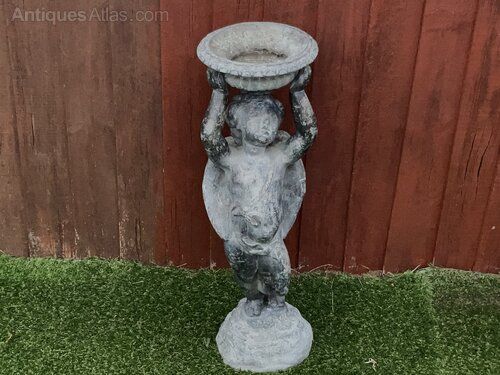
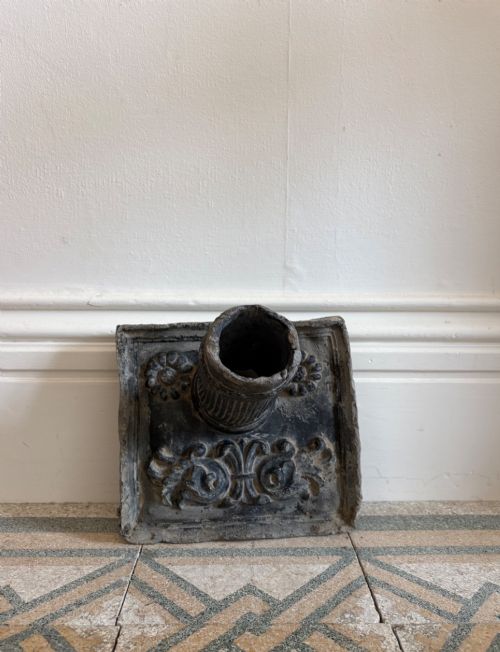
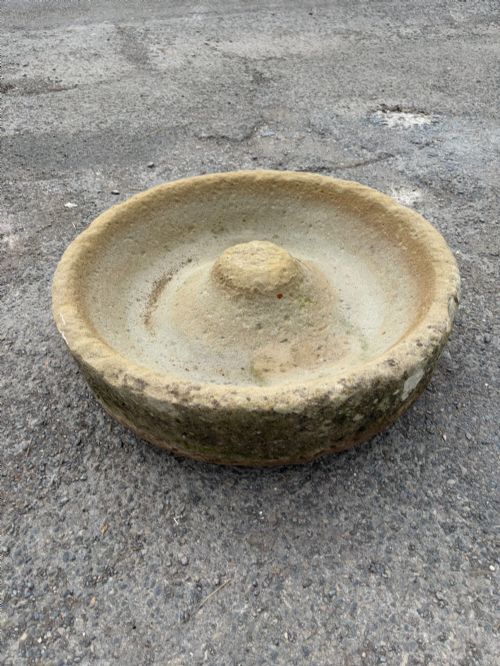
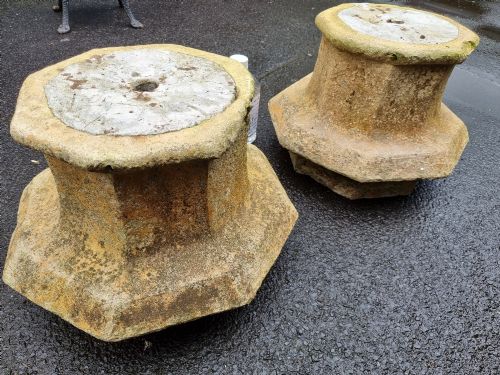
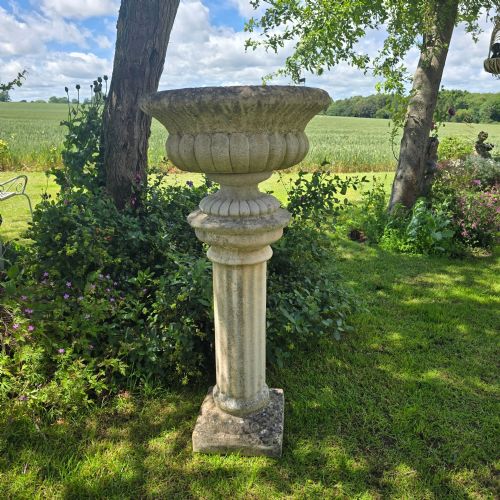
Terracotta and earthenware pots rely on traditional firing methods, while stone pieces involve hand-carved sandstone, soft stone, marble and reconstituted or cast stone. Many items began as utilitarian agricultural or estate objects, including lead planters, stone mortars and water pump hoppers.
Weathered Planters Retail Price Guide 2026
Typical asking prices for weathered planters among the pieces listed under this phrase on Sellingantiques today, from the lower quarter to the upper quarter. They describe what is for sale here now, not the wider market.
Listings feature eighteenth-century marble cisterns alongside nineteenth-century copper pots, cast iron urns and sandstone troughs.
Distinctions in quality and character
Quality rests in the integrity of the material, the crispness of surviving neoclassical or Gothic ornament, and the depth of natural weathering. Original matching plinths, lids and undisturbed paint or verdigris surfaces elevate a piece significantly.
Foundry attribution and estate provenance separate standard utilitarian items from works of notable design. Well-patinated surfaces achieved through decades of exposure outweigh mere decorative imitation.
Falkirk Carron·Andrew Handyside
The Weathered Planters Glossary
- Campana urn
- A bell-shaped garden vessel on a pedestal foot, popular in neoclassical garden design. This form originates from classical antiquity.
- Verdigris
- The green copper carbonate patina that forms naturally on copper and brass over decades of exposure to weather. It protects the metal underneath.
- Reconstituted stone
- A durable material made from crushed stone and cement binder, moulded to mimic natural carved stone. It gained popularity in the nineteenth and early twentieth centuries.
- Trough
- A long, shallow open container carved from stone or cast in iron, originally utilised for feeding livestock or agricultural washing. Gardeners repurpose them for alpines and cascading plants.
- Patination
- The surface alteration and mellowing acquired by materials through age, use and exposure to the elements. Good patination indicates genuine antiquity.
Weathered Planters: Frequently Asked Questions
How do I protect cast iron planters from frost?
Cast iron withstands cold temperatures well, but standing water inside freezing vessels can cause cracking. Raising planters slightly off the ground on feet ensures proper drainage during winter.
Applying a protective wax or checking that drainage holes remain clear helps preserve the metal and any original paint finishes through severe weather.
Can antique stone troughs be planted directly?
Stone troughs and sinks accept direct planting safely, as the dense material tolerates soil and moisture without degrading. Gardeners frequently use them for slow-growing alpines, bulbs or miniature conifers.
Checking for existing drainage holes before adding soil prevents waterlogging, though modern holes can be drilled carefully if none are present.
What is the difference between cast iron and cast stone?
Cast iron is a heavy metal alloy poured into moulds to create ornate Victorian and Regency garden urns with sharp decorative details. Cast stone utilises a cement and aggregate mixture moulded to resemble carved masonry.
Iron develops surface rust and verdigris over time, while cast stone acquires biological growth and mineral weathering that softens its initial texture.
How do I identify a nineteenth-century terracotta urn?
Nineteenth-century terracotta typically displays a porous body, variation in colour from firing imperfections, and heavy surface weathering or lichen growth. Tool marks from hand-finishing often remain visible near the rims and bases.
Earlier pieces generally feature simpler press-moulded construction compared to later mass-produced garden ceramics.