


Weathered Park Bench
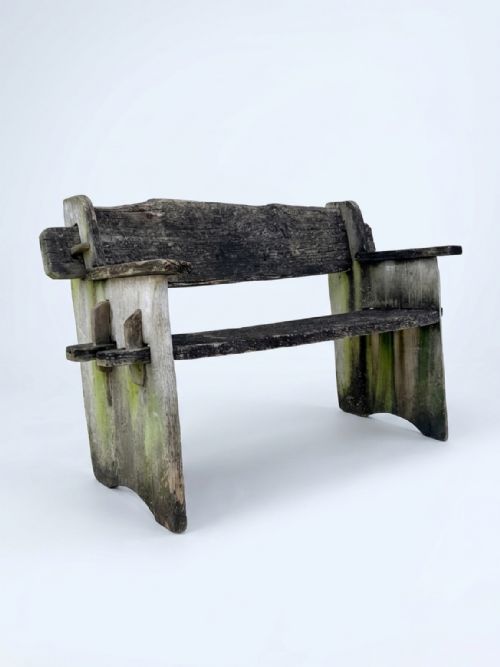
A weathered park bench anchors an outdoor space with decades of honest exposure.
Weathered Park Bench
A weathered park bench provides sturdy outdoor seating shaped by years of exposure to the elements. When you search for a weathered park bench, you encounter forms ranging from heavy nineteenth-century park seating to lighter garden seats. These pieces bring functional utility and aged character to lawns, patios, and garden paths.
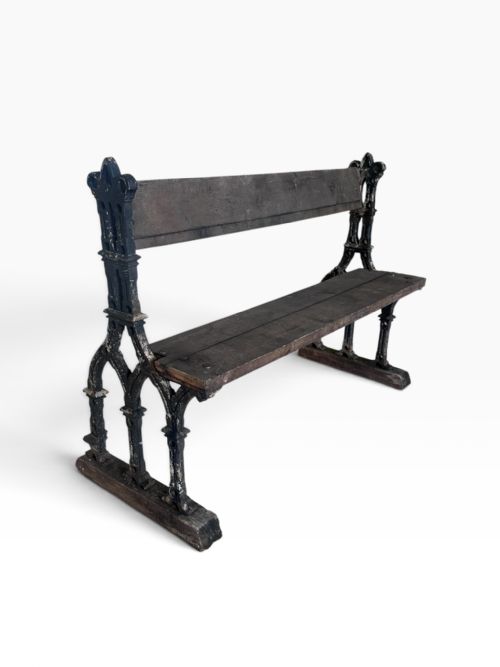
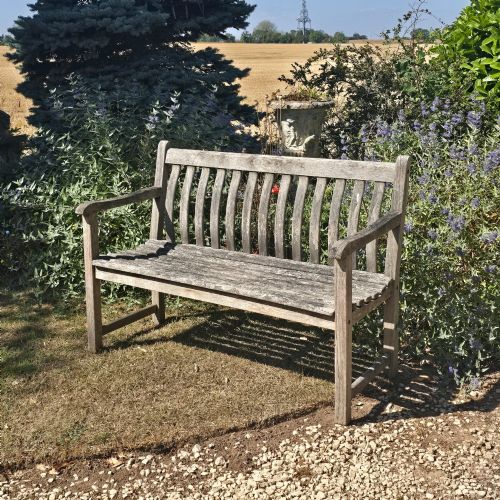
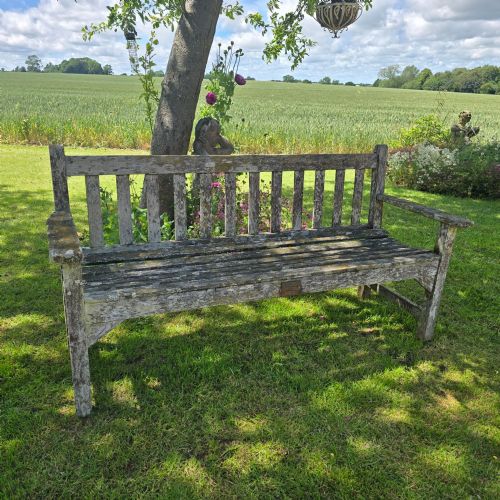
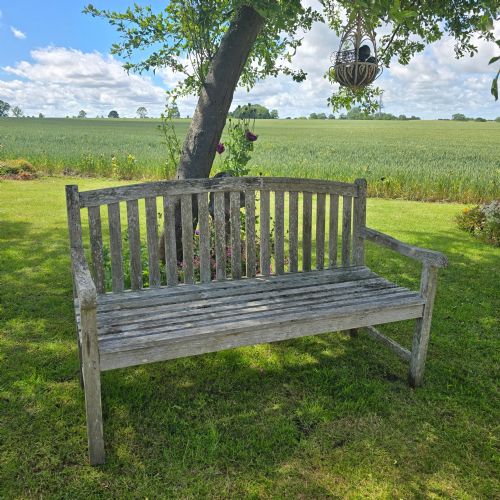
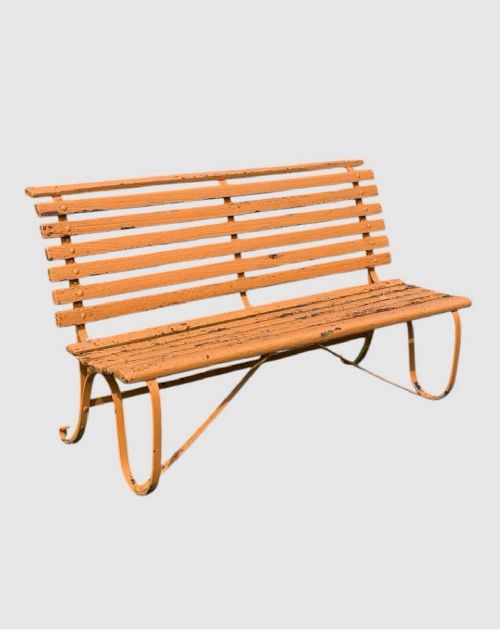
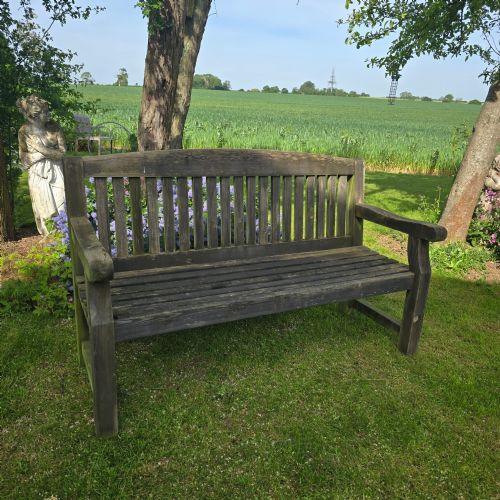
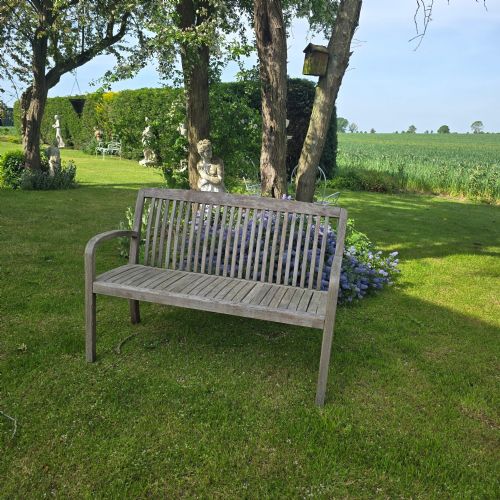
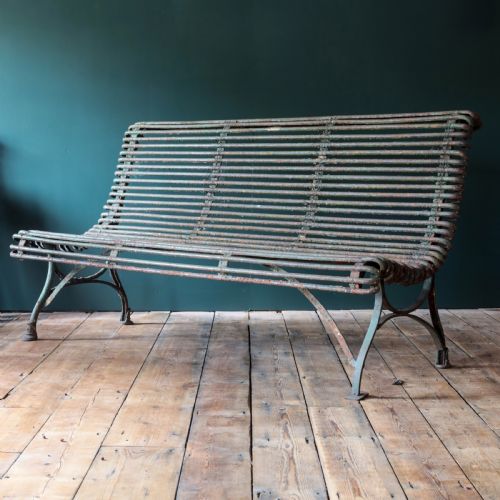
The versions most frequently met on this page include durable teak garden benches displaying silvered patinas and robust iron frames paired with wooden slats. Pieces originate from periods spanning the Victorian era through the early twentieth century. Each example carries the distinct marks of its past use in public spaces or private grounds.
How they were made
Construction relies on resilient hardwoods and structural metals built to withstand outdoor conditions. Teak and general timber form the slatted seats and backs, chosen for their natural weather resistance and strength. These wooden elements are paired with cast iron and wrought iron frames that provide substantial weight and rigidity.
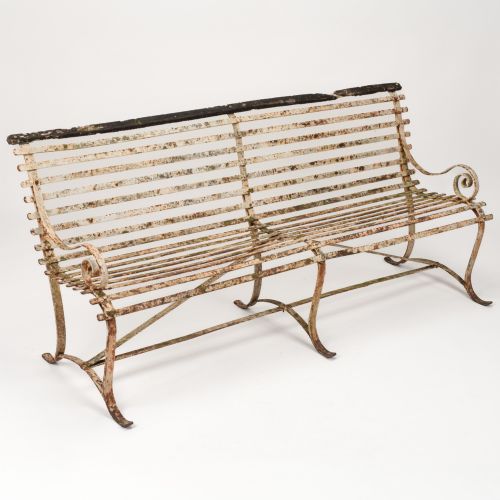
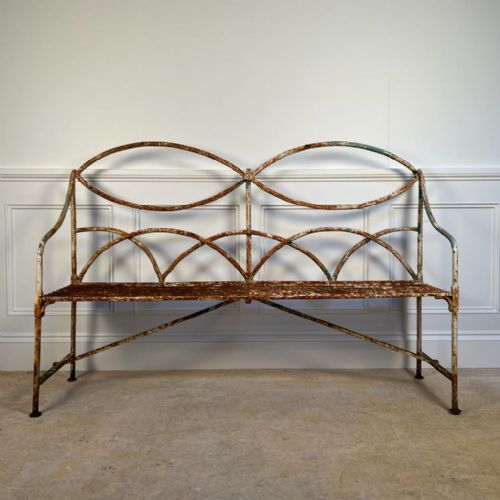
Metal components utilise structural techniques such as strapwork and scrollwork to combine support with decorative detail. Some pieces retain layers of original paint on their ironwork, recording successive maintenance over decades. Joinery and fixings are designed to hold firm beneath constant exposure to wind and rain.
Listings feature teak and wrought iron materials across Victorian, Edwardian, and Regency periods.
What varies in quality
Quality rests in the integrity of the original construction and the balance between timber and metal elements. Superior examples maintain tight joinery and heavy gauge ironwork that has resisted distortion over generations. The depth and uniformity of the weathered teak patina also distinguish finer specimens from ordinary ones.
Design ambition separates basic utility seating from sophisticated garden furniture. Pieces featuring complex strapwork, Gothic motifs, or distinct regional styling show greater craftsmanship at the bench. The completeness of original components determines the overall standard of preservation.
The Weathered Park Bench Glossary
- Strapwork
- Flat bands of metal arranged in interlaced or geometric patterns across bench ends and supports. This technique adds structural strength while providing ornamental detail to iron frames.
- Silvered teak
- Hardwood timber that has turned a pale grey tone through prolonged exposure to sunlight and rain. This natural weathering process protects the underlying wood fibres.
- Cast iron
- Molten metal poured into moulds to create heavy, rigid bench ends featuring relief decoration. It gives outdoor seating the necessary ballast to remain stable on grass or stone.
- Victorian Gothic
- A design style drawing on medieval architectural motifs such as pointed arches and quatrefoils. It appears in the cast iron framing of nineteenth-century garden seats.
Weathered Park Bench: Frequently Asked Questions
How do I protect my bench outdoors?
Teak benches require very little intervention because the natural oils within the wood resist moisture and decay. Allowing the timber to weather naturally results in the characteristic silvered finish seen on vintage examples.
Iron elements benefit from occasional checks to ensure any surface corrosion remains stable. Positioning the bench on hard standing rather than directly on damp soil helps preserve the feet.
Are these benches comfortable to use?
Most historic garden seats feature contoured wooden slats and raked backs designed for ergonomic support. The proportions reflect nineteenth and early twentieth-century standards for outdoor repose.
Adding loose cushions provides extra comfort during extended periods of sitting. The solid weight of iron and teak construction ensures the seat remains stable and secure.
How do I date a garden bench?
Dating relies on examining the combination of materials, construction methods, and decorative styles present in the piece. Victorian examples often display cast iron framing with Gothic or rustic ornamentation, while later twentieth-century pieces lean towards simpler teak construction.
Hardware types such as bolt styles and fixings also offer clues to the manufacturing period. Patina and wear patterns provide additional context regarding the age of the wood and metal.
Can I leave iron outside in winter?
Wrought and cast iron are manufactured to endure harsh weather conditions throughout the year. The heavy metal frames withstand frost and rain without losing their structural integrity.
If the piece retains layers of historic paint, monitoring for flaking helps prevent moisture reaching the bare metal. Storing fragile or lighter pieces under cover during extreme weather is optional.