
Weathered Garden Ornament
A weathered garden ornament brings character to grounds through patinated stone, iron, and lead shaped into classical figures, animals, and urns.
Weathered Garden Ornament
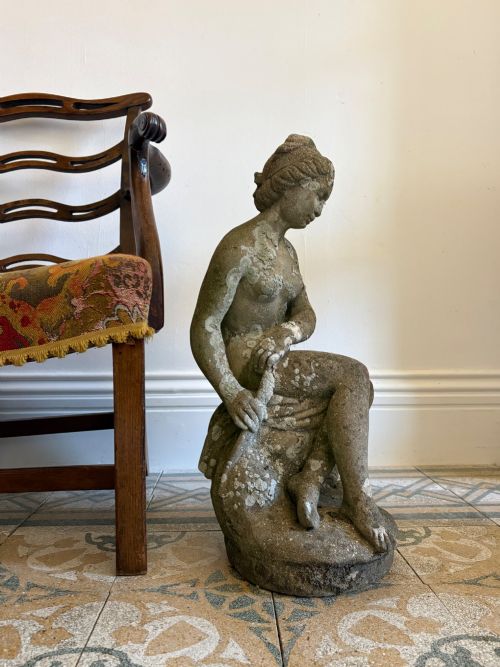
A weathered garden ornament encompasses traditional outdoor pieces designed to age outdoors over decades or centuries. Buyers encounter stone statues, cast iron urns, lead animals, and granite staddle stones sourced from country houses and gardens.
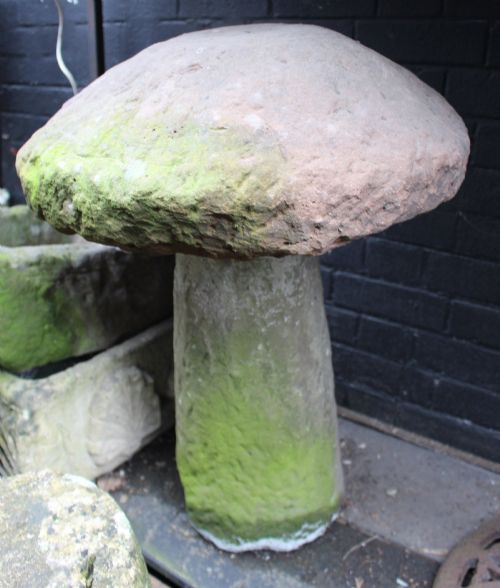
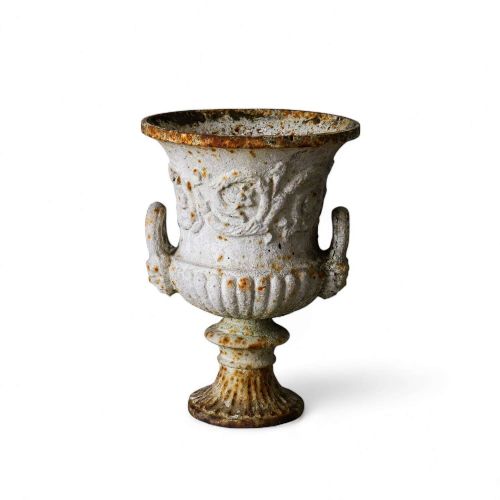
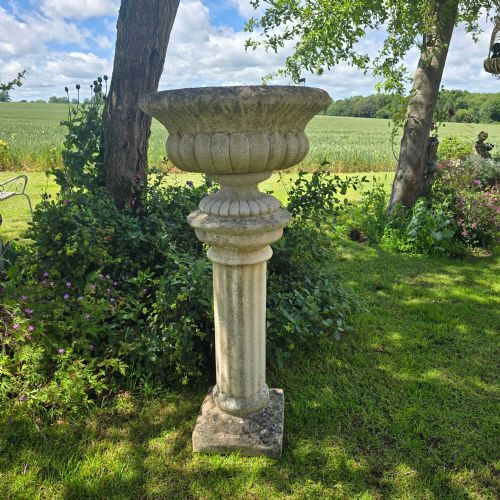
The selections span utilitarian agricultural supports like staddle stones alongside decorative classical figures, campana urns, and sundials. Pieces frequently originate from Victorian, Edwardian, and mid-twentieth century periods.
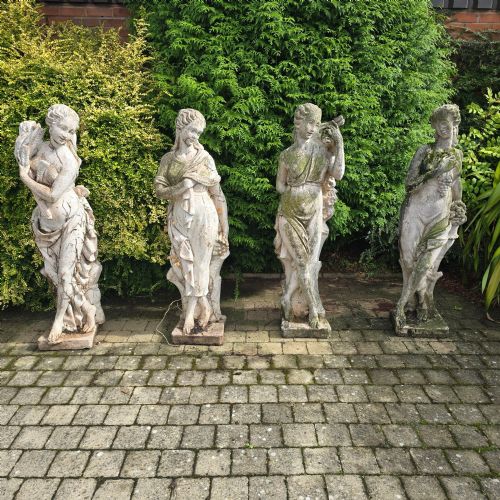
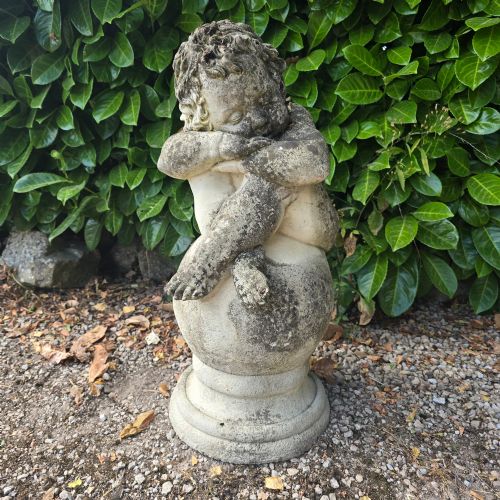
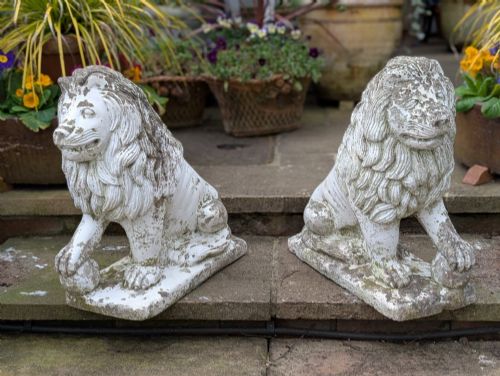
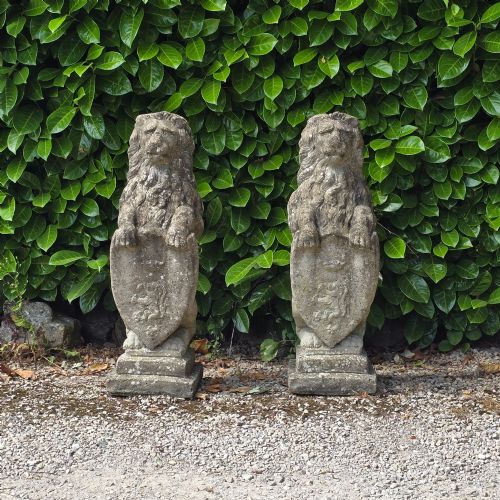
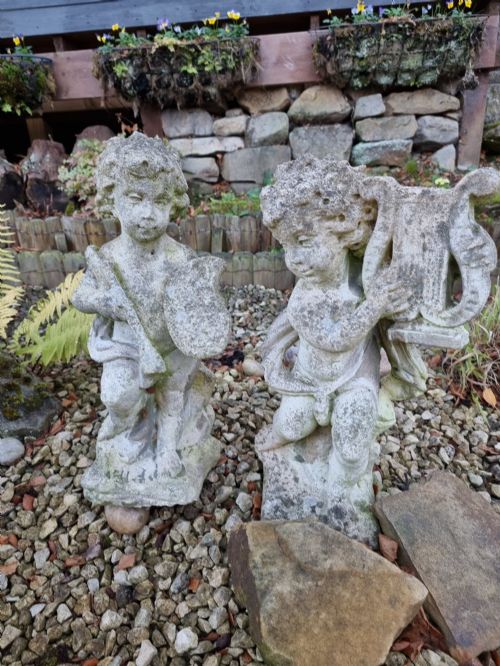
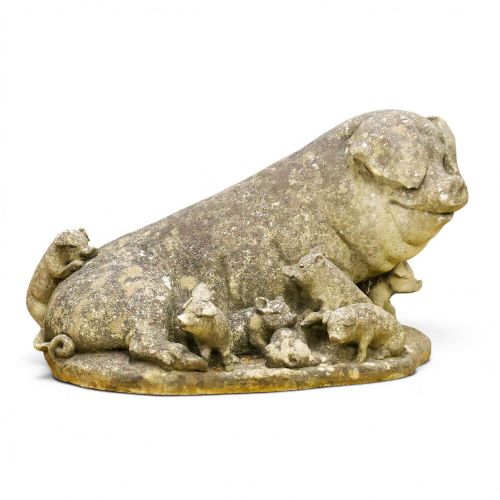
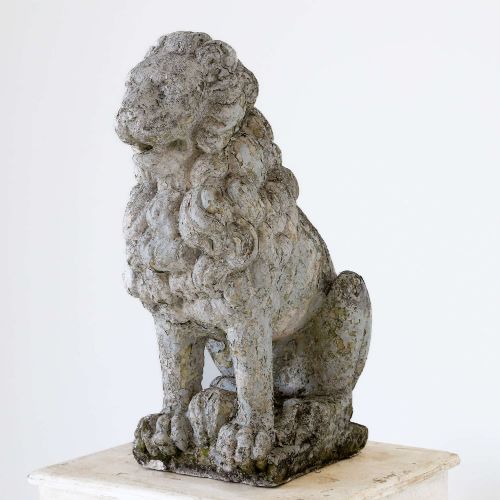
Neoclassical and rustic vernacular styles dominate the selection, offering everything from formal lions and Medici figures to charming stone pigs and bird baths. These items introduce established antiquity directly into contemporary landscape designs.
Materials and Techniques
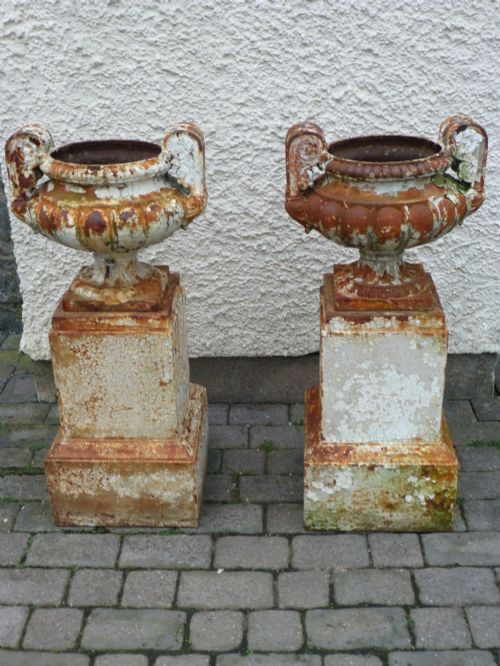
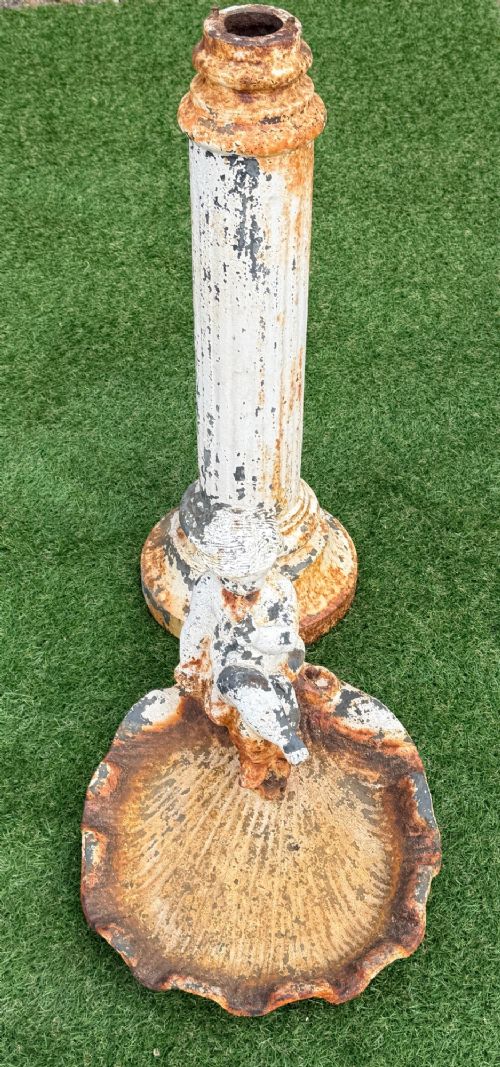
Foundries utilised durable metals like cast iron and lead to cast intricate decorative elements, bird baths, and animal sculptures. Notable foundries such as Falkirk Carron, Andrew Handyside, and Val d’Osne employed detailed moulds to produce robust outdoor metalwork.
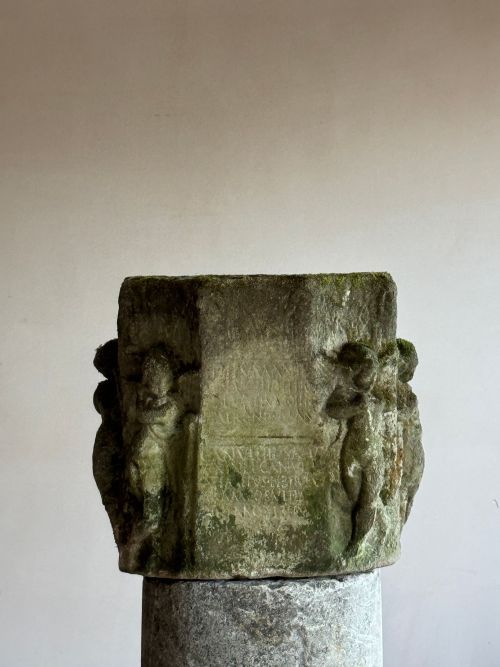
Masons carved traditional stone materials including granite, limestone, sandstone, and Yorkshire limestone for architectural elements and staddle stones. Later pieces frequently utilise cast stone, composite stone, or reconstituted stone poured into structured forms.
Surfaces often retain traces of original paint or natural patination, enhanced by accumulated moss and long-term exposure to weather. This natural weathering process binds the various material types firmly into their surrounding garden environment.
Listings feature durable materials including cast iron, lead, granite, limestone, and reconstituted stone spanning the eighteenth to mid-twentieth centuries.
Assessing Quality
The distinction between ordinary production and high-grade work rests on sculptural proportion and the reputation of the maker or foundry. Original matching pairs command greater architectural presence than single items recovered independently.
Falkirk Carron foundry·Andrew Handyside·Val d’Osne foundry
The Weathered Garden Ornament Glossary
- Staddle stone
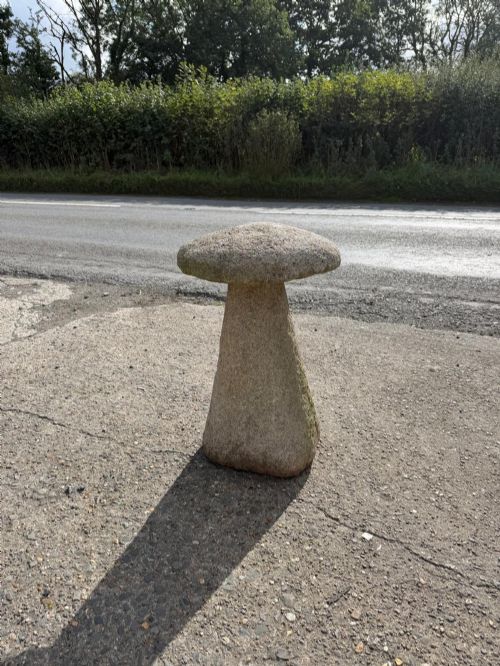
- A mushroom-shaped stone support formerly used to elevate granaries above damp ground and vermin. These agricultural relics now function as distinctive rustic garden ornaments.
- Campana urn
- A bell-shaped garden vessel originating in classical antiquity and widely reproduced in cast iron and stone. They typically feature everted rims and fluted bodies suitable for planting.
- Armillary sphere
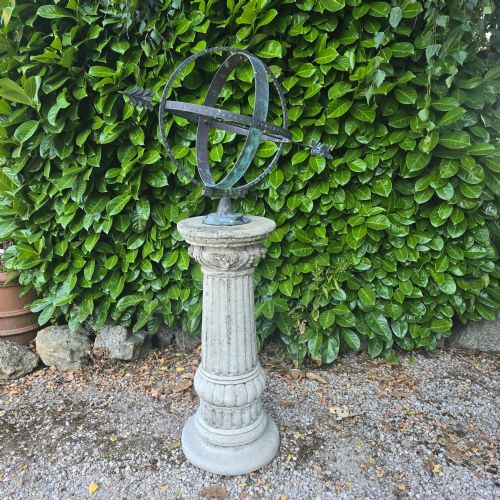
- An astronomical sundial constructed from interlocking metal rings representing celestial circles. These sculptural timepieces serve as focal points within formal garden layouts.
- Reconstituted stone
- A manufactured material composed of crushed stone aggregates bound with cement to replicate natural stone. It permits detailed moulding for garden statues and troughs.
Weathered Garden Ornament: Frequently Asked Questions
What are weathered garden ornaments?
These pieces comprise historical statues, urns, sundials, and architectural elements created from stone, iron, or lead. They have spent decades or centuries outdoors, developing a natural surface patina.
Buyers select them to anchor garden designs with established character and traditional sculptural form.
How do I care for antique stone?
Most stone and cast items require minimal maintenance and tolerate natural weathering well without chemical intervention. Gentle washing with water preserves the accumulated moss and lichen patination.
Avoid harsh pressure washing that can erode softer historic limestone surfaces and original painted finishes.
Can cast iron pieces stay outside?
Traditional cast iron items are specifically built to withstand permanent outdoor placement throughout changing seasons. Regular monitoring helps manage any surface oxidation effectively.
Positioning metal urns and statues on stone plinths prevents direct ground moisture absorption during winter months.
How are periods identified?
Dating relies on material composition, foundry marks, stylistic markers, and the depth of natural weathering. Victorian and Edwardian castings often display specific registry or foundry details.
Earlier eighteenth-century examples usually feature hand-carved limestone, sandstone, or Cornish granite rather than cast composites.