




Watercolour Painting on Paper
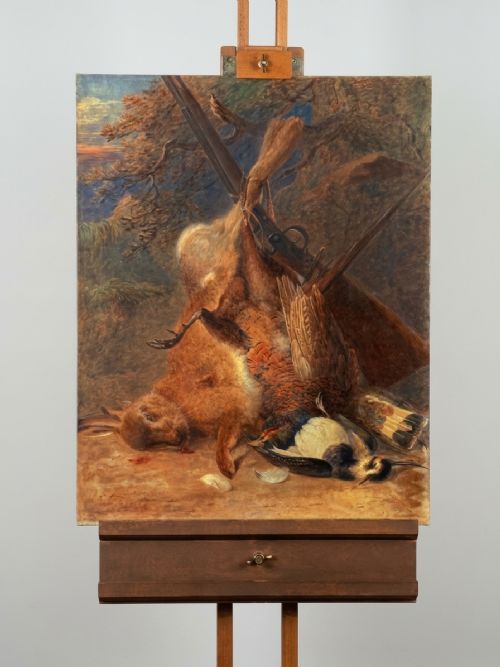
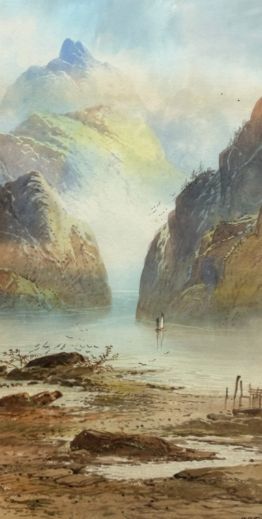
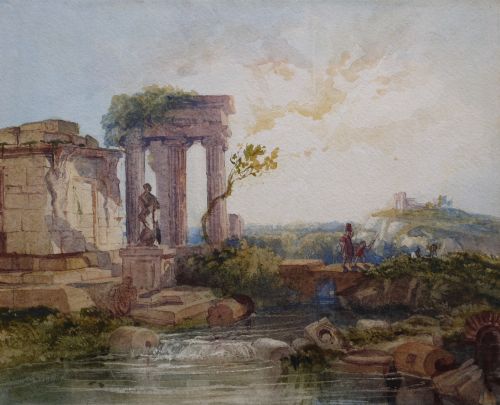
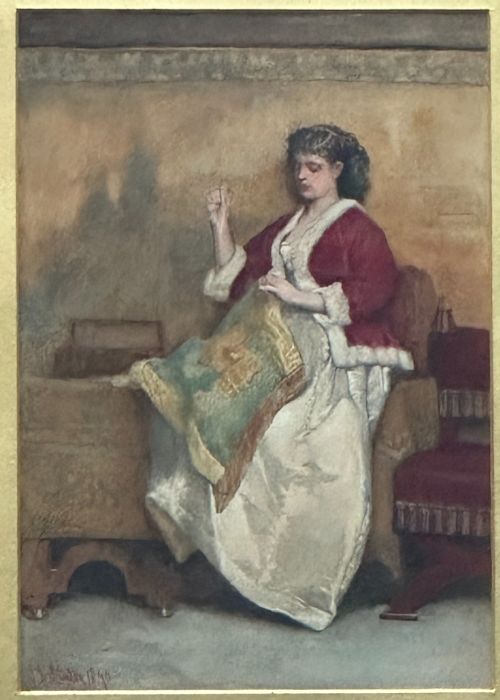
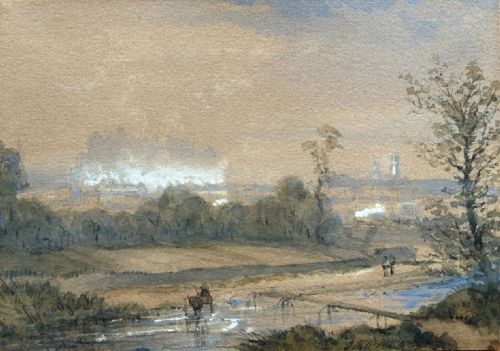
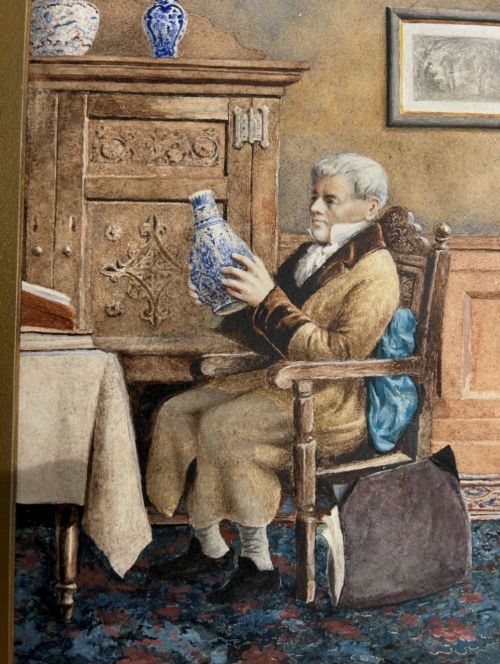
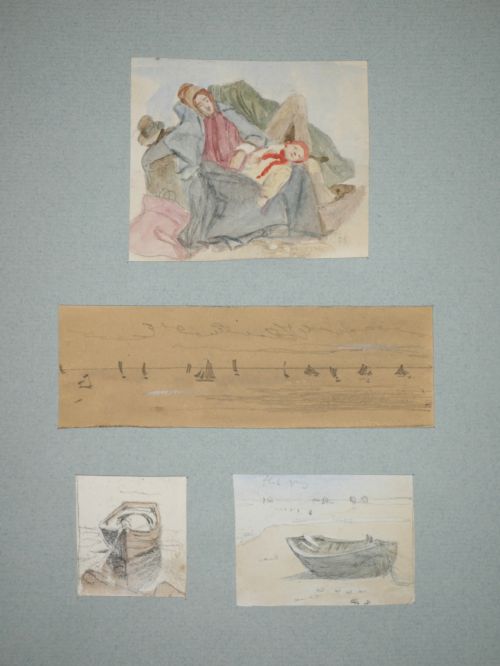
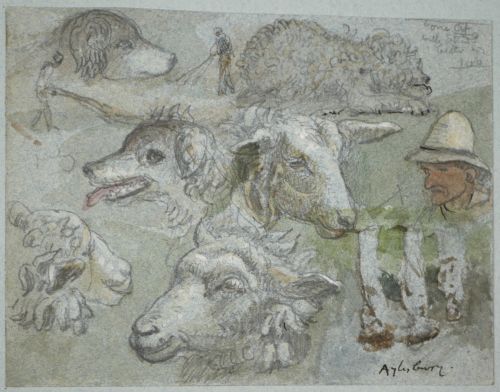
When you search for a watercolour painting on paper, you enter a diverse field of nineteenth and twentieth-century works capturing landscapes, portraits, and maritime scenes.
Watercolour Painting on Paper
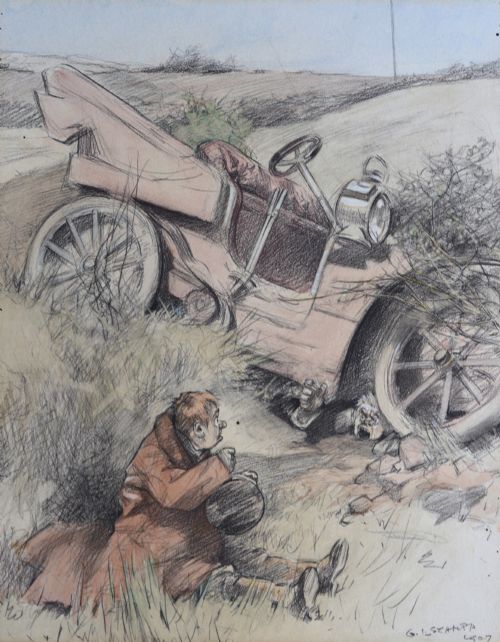
A watercolour painting on paper brings together delicate pigments and fluid washes to create framed artworks, wall art, and fine art pieces from various periods. Buyers encountering this selection will discover nineteenth-century British landscapes, coastal views, and portraits alongside early twentieth-century impressionist sketches and mid-century scenes.
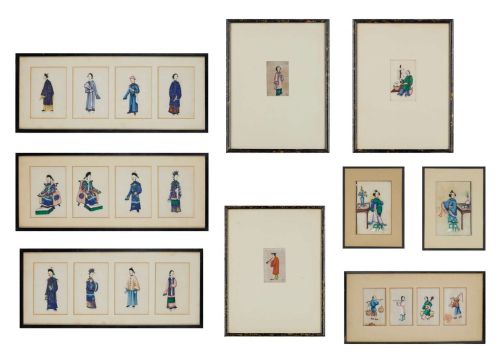
The material forms range from traditional British watercolours on laid or buff paper to Chinese export gouache works executed on pith paper. Many pieces retain their original framing and bear signatures from named artists active during the Victorian and Edwardian eras.
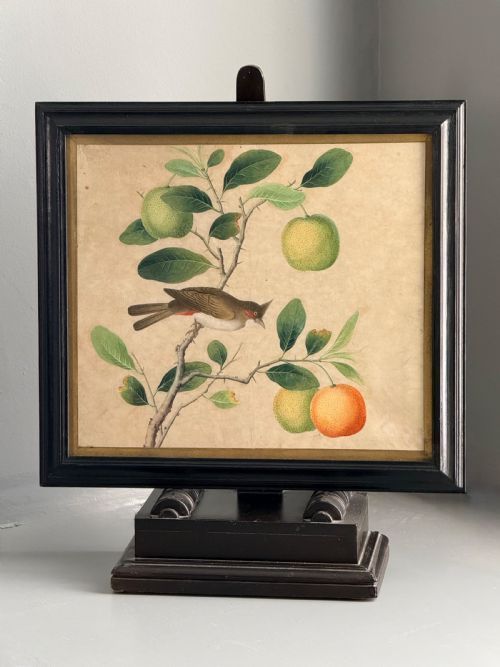
Beyond standard landscapes, the selection includes specialised studies such as wallpaper designs, botanical depictions, and figural compositions. These works reflect both domestic British traditions and broader international styles spanning several decades.
How they were made
Artists applied watercolour pigment, bodycolour, and ink onto various paper supports, utilising graphite for preliminary sketching and structural outlines. The application ranges from translucent washes to opaque gouache highlights.
Support materials include standard paper, buff paper, laid paper with watermarks, and delicate pith paper derived from plant pith. These surfaces interact distinctively with moisture, absorbing pigment to achieve particular tonal depths and textures.
The archive and active inventory contain British landscapes, Chinese export shipping scenes, and intricate wallpaper design studies.
What varies in quality
Quality rests upon the sureness of the brushwork and the preservation of pigment vibrancy across the paper surface. Works displaying confident handling and minimal fading command greater appreciation.
The integrity of the support material and the clarity of composition distinguish superior examples. Pieces retaining crisp detail and original contextual elements demonstrate stronger artistic execution.
George Sydney Shepherd·George Lorain Stampa·James Orrock·William Henry Earp·Richard Principal Leitch·Sir James Dromgole Linton·John R Prentice·Thomas Ellison·Alfred Young Nutt·Percy Lancaster·Henry Stacy Marks·James Smetham·A Marie Parsons·John McDougal·Thomas John Horsley·Robert Leslie Howey·James E Aitken·William Joseph Boyes·Frank Watson Wood·Henry Silkstone Hopwood·Muriel Metcalfe·Frank William Scarbrough·John Smith Atherton·Th Thibault·Hector Caffieri
The Watercolour Painting on Paper Glossary
- Watercolour pigment
- Finely ground colour particles suspended in a water-soluble binder. This medium allows artists to layer translucent washes across the paper surface.
- Gouache
- An opaque watercolour paint mixed with a white pigment to create solid areas of colour. It provides heavier highlights and denser coverage than traditional transparent washes.
- Pith paper
- A delicate organic material sliced from the stem of the Tetrapanax papyrifer plant. Nineteenth-century Chinese export artists frequently utilised this fragile surface for vibrantly coloured figure and botanical studies.
- Laid paper
- Early paper manufactured with a grid of wire wires that leave translucent chain lines visible when held to the light. It offers a textured foundation for ink and wash techniques.
- Bodycolour
- Watercolour paint rendered opaque by the addition of white pigment such as chalk. Artists employed this medium to add solid highlights and body to otherwise translucent compositions.
Watercolour Painting on Paper: Frequently Asked Questions
How should I display watercolour painting on paper?
These works require framing behind glass with acid-free mounts to protect the paper and pigments from atmospheric damage.
Keep them away from direct sunlight to prevent the watercolour pigments from fading over time.
What subjects appear in these paintings?
The selection encompasses British and European landscapes, coastal marine views, botanical studies, and figurative portraits.
Artists also produced specialised works including wallpaper designs and detailed architectural scenes.
How do I identify the period of a piece?
Examine the paper type, framing style, and any accompanying signatures or dates inscribed by the artist.
Stylistic markers such as Victorian realism or mid-century abstraction also point towards specific decades.
What is pith paper?
Pith paper is a delicate, spongy material made from plant stems that was widely used in nineteenth-century China for export art.
Works on this surface display vivid gouache pigments that sit distinctively upon the fibrous texture.