

Watercolour Landscape Artwork
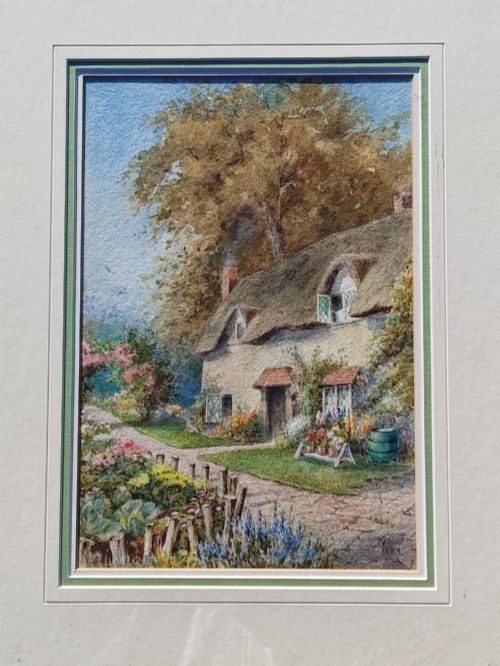
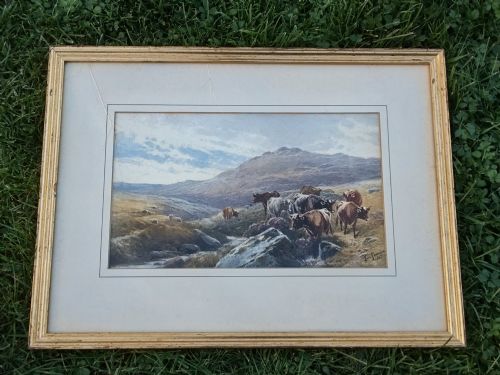
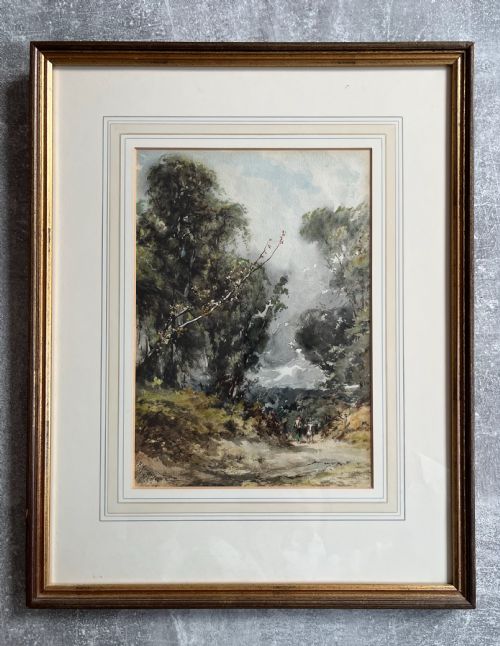
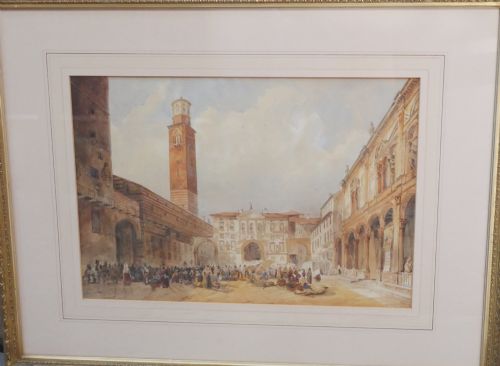
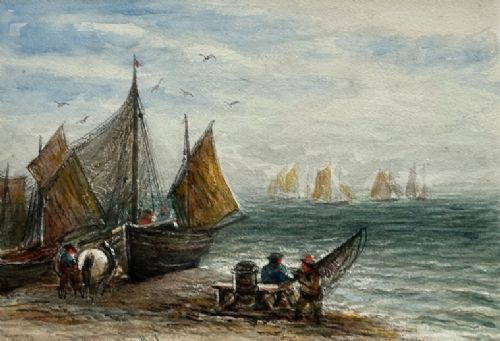
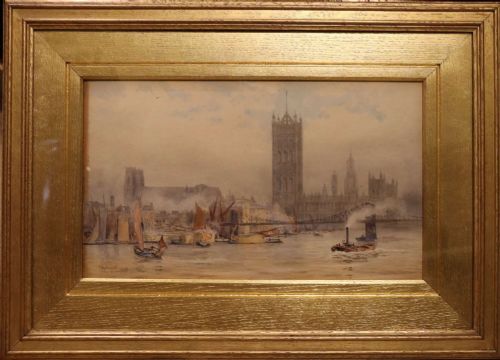
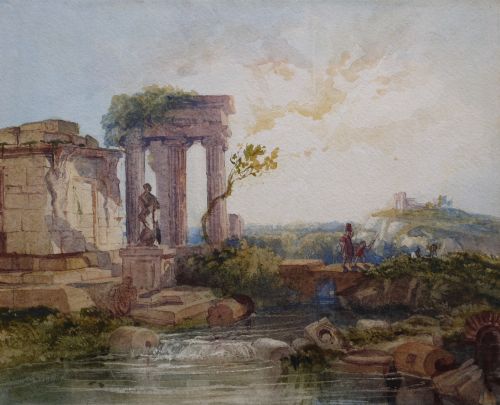
Watercolour landscape artwork captures topography and light across the nineteenth and twentieth centuries, offering direct encounters with historical views.
Watercolour Landscape Artwork
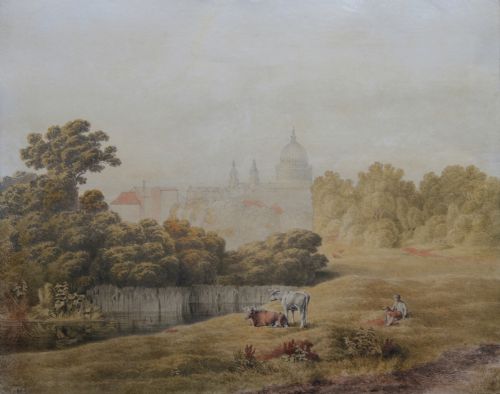
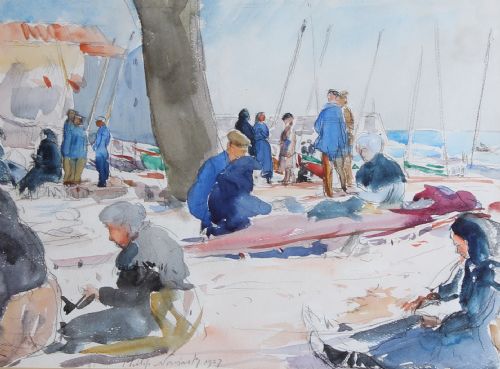
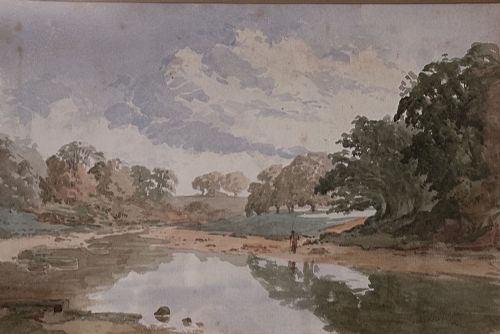
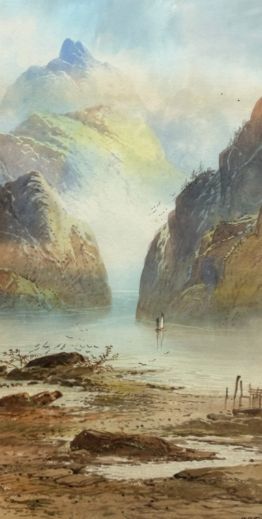
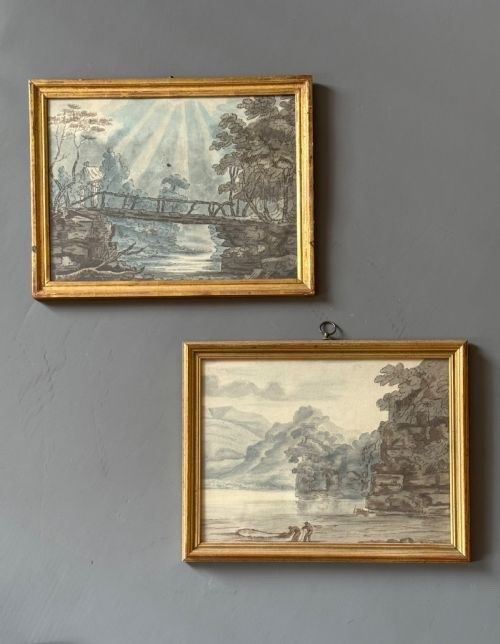
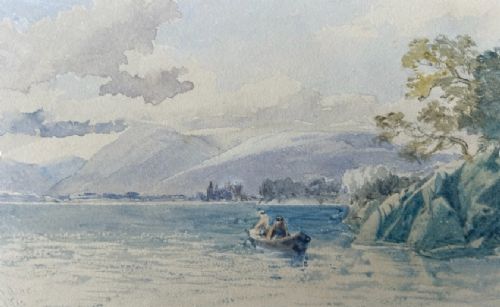
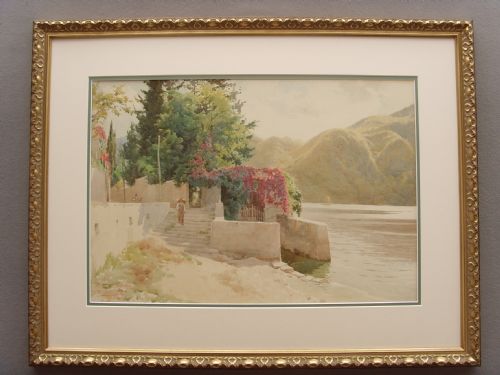
Watercolour landscape artwork encompasses framed paintings on paper, capturing scenes from British country pastures to Italian lakes and urban townscapes.
Most pieces seen here belong to the nineteenth century and the Edwardian period, often signed by listed artists and housed in original frames.
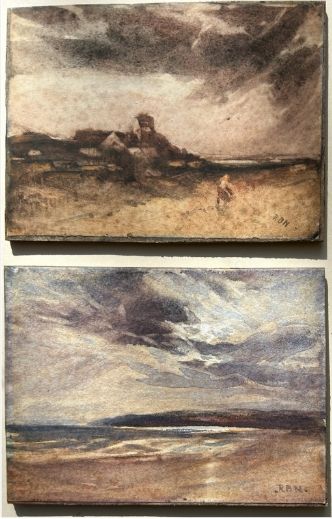
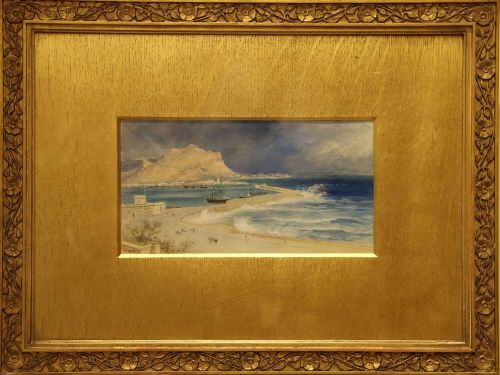
Subjects range from Scottish lochs and Lake District fells to coastal harbours and Mediterranean vistas, rendered with meticulous detail or impressionistic brushwork.
How they were made
Artists painted primarily with watercolour pigment on paper, occasionally combining ink or pen work to define architectural elements and foreground details.
Finished works received protection behind glass, secured within wooden frames, sometimes finished with gilt to complement the composition.
Watercolour Landscape Artwork Retail Price Guide 2026
Typical asking prices for watercolour landscape artwork among the pieces listed under this phrase on Sellingantiques today, from the lower quarter to the upper quarter. They describe what is for sale here now, not the wider market.
Several artists clearly braved biting winds and damp riverbanks just to paint cows standing obstinately in Welsh or Cumbrian rain.
What varies in quality
Skill in handling pigment and light determines the distinction between a routine topographical record and a compelling landscape painting.
The strength of composition, sureness of brushwork, and atmospheric depth separate accomplished works by recognised painters from standard regional sketches.
Robert Buchan Nisbet·Thomas Rowden·Cuthbert Crossley·Stuart Lloyd·Herbert Menzies Marshall·Robert George Talbot Kelly·William Taylor Longmire·David Law·H. Medlycott·George Fotherly Hargitt·Thomas Miles Richardson Jnr·James Orrock·William Henry Earp·Richard Principal Leitch·John R Prentice·Thomas Ellison·Alfred Young Nutt·Percy Lancaster·John McDougal·EJ Letheren·Robert Leslie Howey·James E. Aitken·John E. Aitken·William Banks Fortescue·Muriel Metcalfe
The Watercolour Landscape Artwork Glossary
- Watercolour
- A paint consisting of pigment suspended in a water-based solution, applied to paper to achieve translucent washes of colour.
- Gilt Wood
- Wood treated with gold leaf or metallic paint, frequently used for traditional picture framing.
- Wash
- A thin, fluid layer of watercolour pigment spread across paper to create skies, water, or atmospheric distance.
- Monogram
- A motif made by overlapping or combining letters to form a signature, often seen on nineteenth-century watercolours.
Watercolour Landscape Artwork: Frequently Asked Questions
What subjects are most common?
British pastoral scenes, Scottish lochs, and coastal harbours dominate the selection, reflecting nineteenth and early twentieth-century artistic preferences.
Travel subjects from the Grand Tour, including Italian lakes and Venetian canals, also appear frequently among the listed works.
How can I date a watercolour landscape?
Dating relies on visible artist signatures, period framing styles, and written inscriptions on the reverse or mount detailing locations and years.
Paper characteristics, clothing styles in figurative elements, and stylistic movements like British Impressionism provide further chronological context.
Are these works signed by the artists?
Many pieces feature artist signatures, monograms, or initialled attributions written directly onto the lower corners of the paper.
Listings often provide specific details regarding whether a work is signed, dated, or associated with a known Royal Academy exhibitor.