




Warm Wood Dining Chairs
Warm wood dining chairs bring honest character to the table, uniting sturdy country timbers with generations of practical use.
Warm Wood Dining Chairs
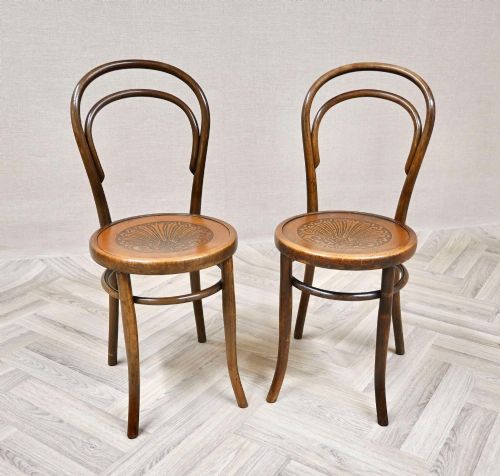
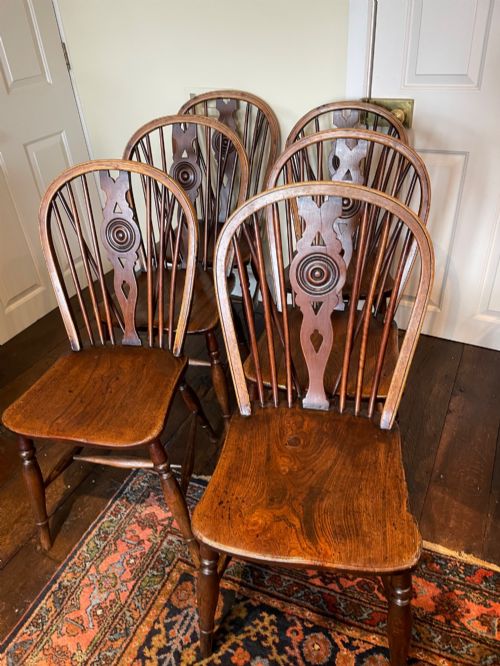
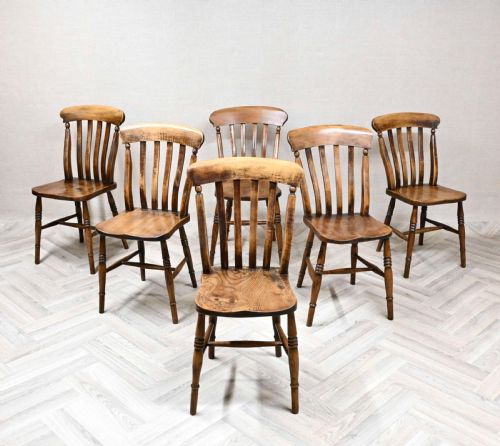
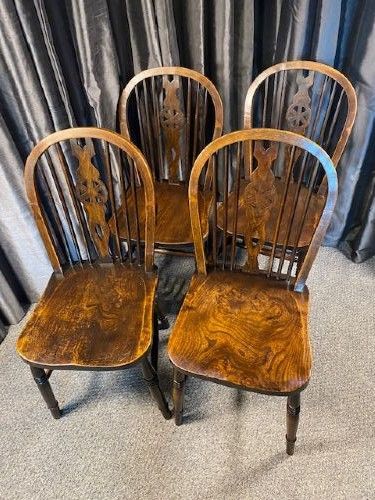
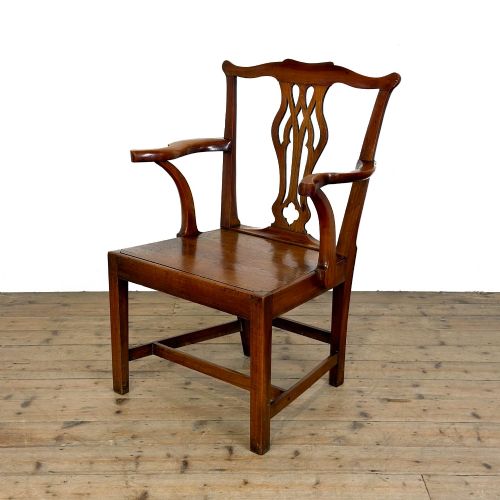
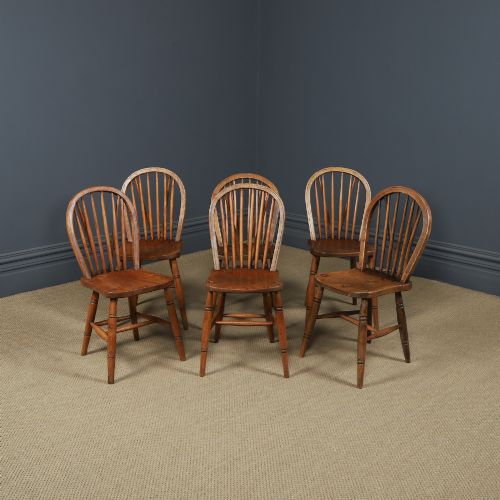
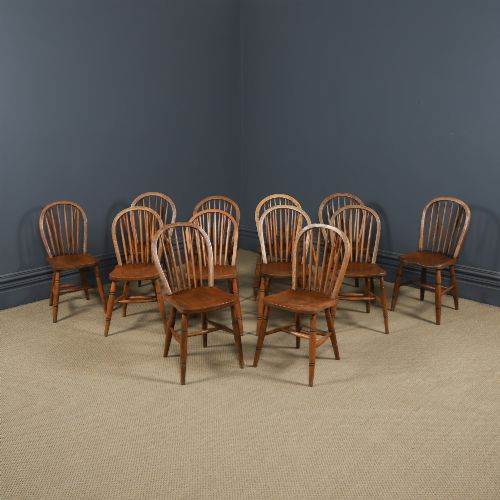
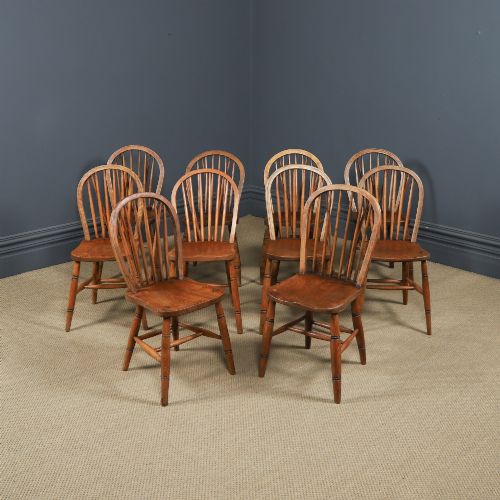
These warm wood dining chairs span the nineteenth and early twentieth centuries, drawing heavily on English and Georgian country traditions. When exploring warm wood dining chairs on this page, the visitor encounters robust kitchen seating, Windsor forms, and regional variants.
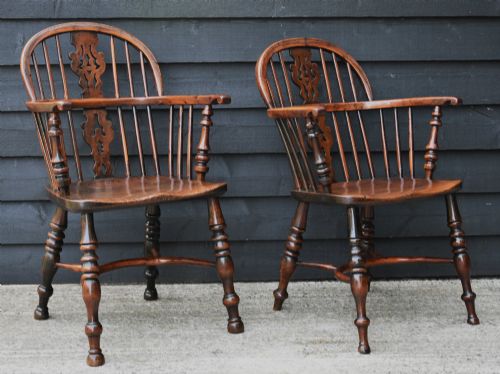
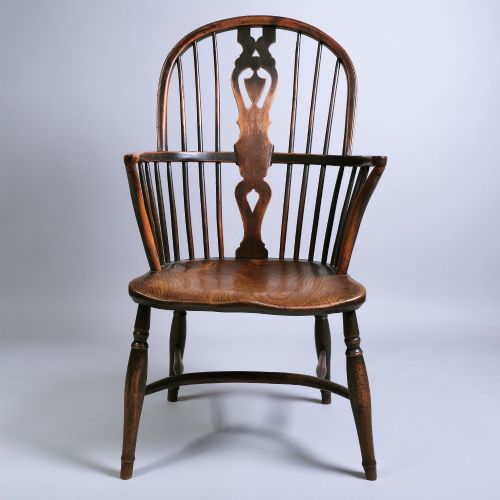
Origins stretch from Victorian kitchen settings to Edwardian parlours, capturing the enduring appeal of vernacular furniture. Buyers find everything from low-back smokers to high-back Windsor armchairs equipped with crinoline stretchers.
Distinctions in Quality
The character of the timber grain and the depth of the natural patina dictate much of the visual appeal. Richly figured yew wood and well-figured elm seats command attention for their distinct grain patterns and warm tones.
Proportion and structural integrity separate standard utility seating from finer regional workshop examples. Original components, balanced arm bow profiles, and crisp turnings reflect the skill of the maker.
Warm Wood Dining Chairs Retail Price Guide 2026
Typical asking prices for warm wood dining chairs among the pieces listed under this phrase on Sellingantiques today, from the lower quarter to the upper quarter. They describe what is for sale here now, not the wider market.
The listings span the nineteenth and early twentieth centuries, featuring elm, ash, yew, beech, fruitwood, and pine.
Windsor Worksop·Gabbitass·Rockley Maker
The Warm Wood Dining Chairs Glossary
- Windsor chair
- A wooden chair featuring a solid carved seat into which the legs and back spindles are directly dowelled. This form dominates the country seating tradition.
- Crinoline stretcher
- An arched under-framing brace connecting the legs of a chair to provide extra stability. It takes its name from the hooped fashion of the nineteenth century.
- Hoop back
- A continuous bentwood rail forming the back and arms of a chair in one flowing arc. Ash was frequently employed for this component due to its flexibility.
- Lathe back
- A chair back incorporating flat, vertical wooden slats turned or shaped on a lathe. These provide firm support in traditional kitchen seating.
Warm Wood Dining Chairs: Frequently Asked Questions
How do I mix mismatched chairs around a table?
Mixing chairs relies on maintaining a shared material language, such as combining elm and ash Windsor forms with similar seat heights. Consistent wood tones tie diverse regional styles together harmoniously.
Matching armchairs at the table ends whilst using side chairs along the sides creates a balanced arrangement. Varying the back styles introduces curated country character without cluttering the room.
What is a crinoline stretcher?
A crinoline stretcher is a curved under-framing brace that links the legs of a Windsor chair in a horseshoe shape. It reinforces the structure whilst offering a resting place for feet.
This design detail often helps date provincial seating to the eighteenth or nineteenth centuries. Its presence adds both rigidity and visual elegance to the lower frame.
How do I care for antique wood chairs?
Regular dusting with a dry, soft cloth preserves the natural lustre of nineteenth-century timber finishes. Applying traditional beeswax occasionally nourishes the dry grain without building up heavy residues.
Keeping wooden seating away from direct heat sources prevents the timber from splitting or warping over time. Allowing the wood to breathe maintains its stable historical condition.
Are these chairs suitable for daily dining?
Solid country seating was built for everyday utility in farmhouses and kitchens, making them inherently durable. Their robust construction handles regular seating well when placed on even floors.
Checking that leg joints remain firm ensures safe usage during family meals. These functional antiques transition seamlessly into contemporary dining spaces.