



Warm Walnut Glazed Cabinet
A warm walnut glazed cabinet combines rich timber figures with glass display space, offering collectors a practical focal point for treasured objects.
Warm Walnut Glazed Cabinet
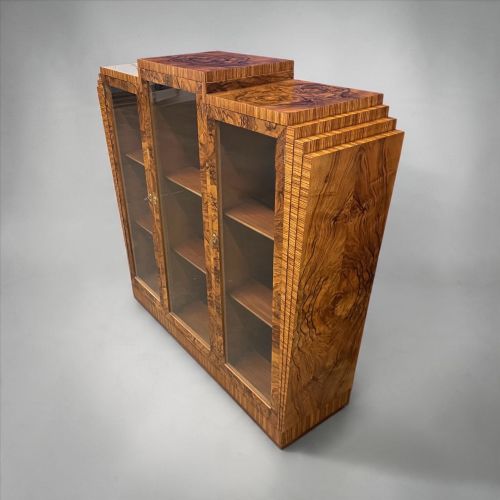
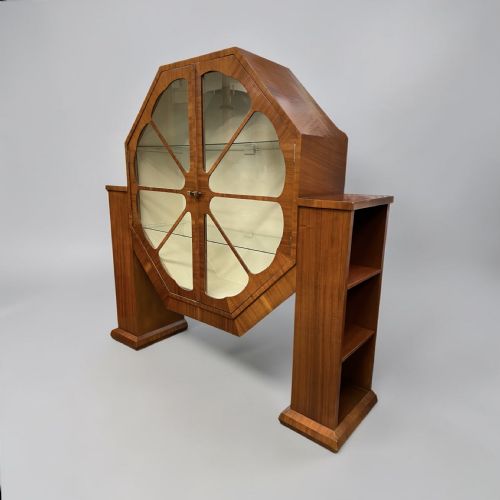
When you search for a warm walnut glazed cabinet, you encounter a variety of forms designed to display and store books or decorative objects. The pieces listed span several periods, from the eighteenth century to the art deco era of nineteen thirty.
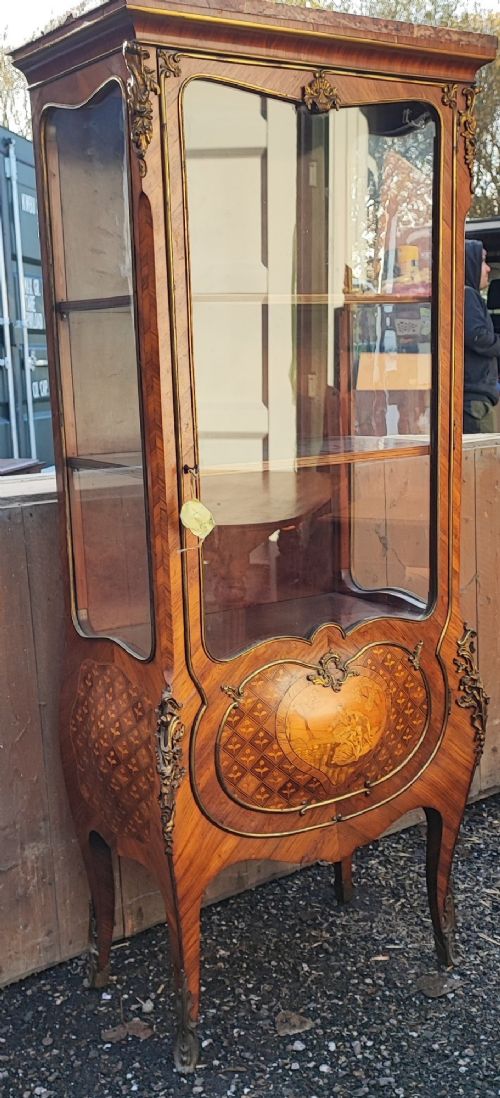
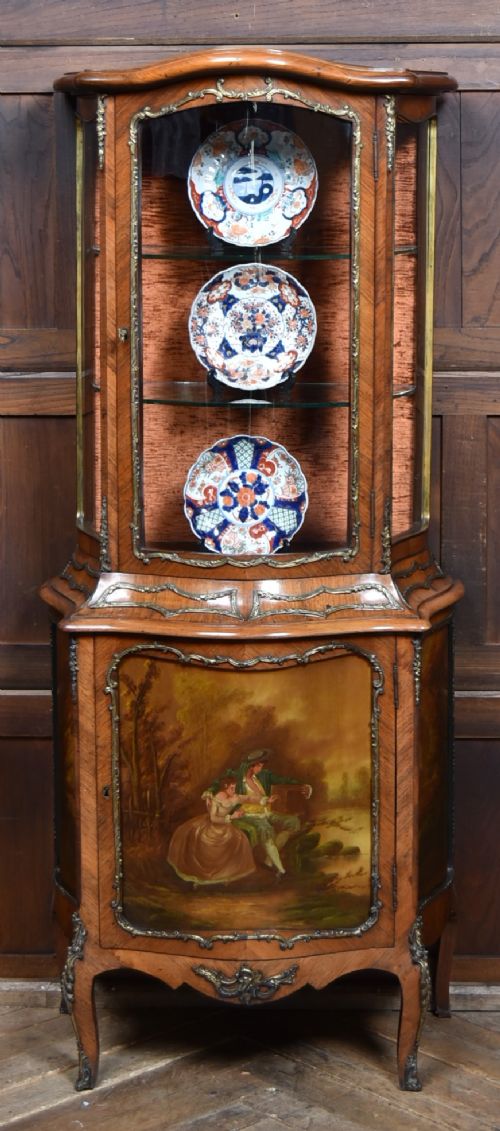
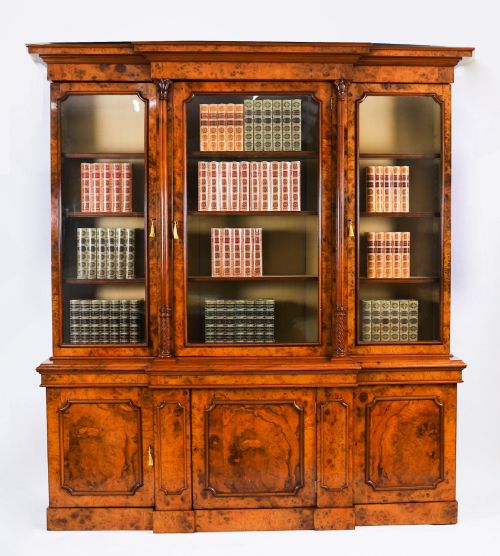
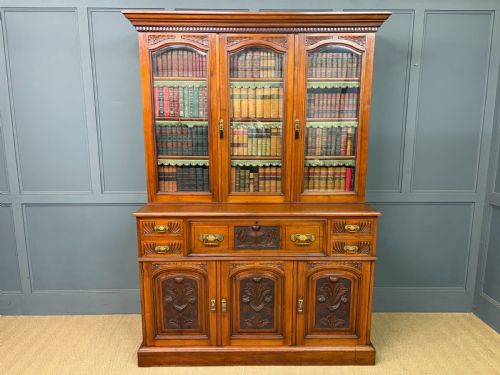
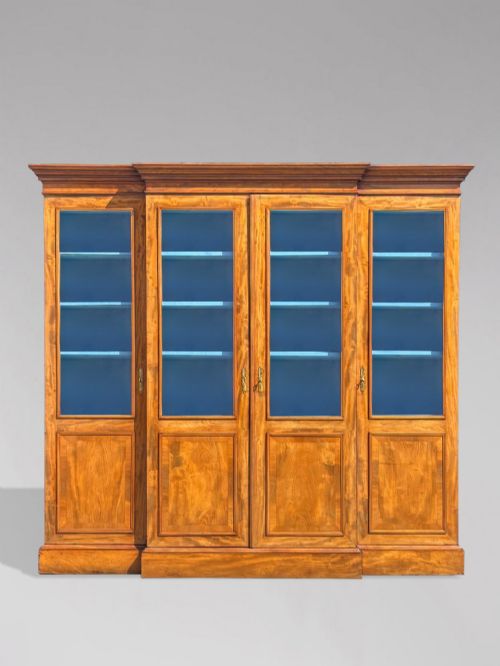
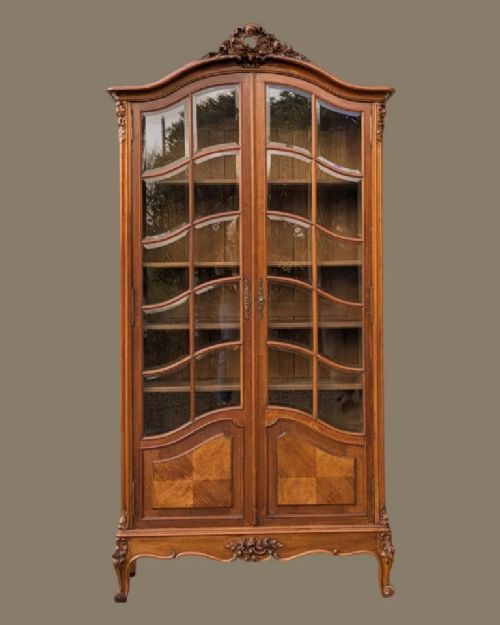
Display cabinets, pier cabinets, and bookcases dominate the selection, often incorporating glazed doors to protect the contents while maintaining visibility. Examples range from compact Edwardian music cabinets to larger Victorian side cabinets and French Louis Philippe bookcases.
The aesthetic leans heavily toward nineteenth-century revival styles and Biedermeier interpretations, utilising rich timber tones. Buyers frequently find pieces that combine traditional shelving with specialised compartments for media or books.
Materials and construction methods
Makers relied on walnut and burr walnut veneers over secondary timbers, exploiting the grain patterns to create striking visual surfaces on doors and panels. Timber inlay, boxwood marquetry, and ormolu mounts frequently adorn the better examples from the Victorian and Edwardian periods.
Glass panels are fitted into wooden frames to form the glazed doors of display cabinets and bookcases, supported by brass hardware and interior shelving. Joinery techniques from the eighteenth to the twentieth centuries ensure structural stability alongside decorative refinement.
Warm Walnut Glazed Cabinet Retail Price Guide 2026
Typical asking prices for warm walnut glazed cabinet among the pieces listed under this phrase on Sellingantiques today, from the lower quarter to the upper quarter. They describe what is for sale here now, not the wider market.
Factors of quality and execution
Quality depends upon the choice of timber and the precision of the veneer work, particularly where burr walnut or intricate marquetry is employed. Finer pieces demonstrate careful grain matching across door panels and harmonious proportions throughout the carcass.
The refinement of brass mounts, the clarity of the glass, and the execution of carved details separate standard utility furniture from superior examples. Interior fittings, such as adjustable shelving and lined backings, further indicate the original tier of the cabinet.
The Warm Walnut Glazed Cabinet Glossary
- Pier cabinet
- A low cabinet designed to stand against the wall space between windows. These pieces often feature glass doors and marquetry decoration.
- Marquetry
- Decorative patterns formed by fitting together small pieces of veneer into wooden panels. This technique often incorporates boxwood and floral motifs.
- Ormolu
- Gilded bronze mounts applied to furniture for decorative effect. It appears frequently on nineteenth-century French pieces.
- Biedermeier
- A central European style emphasising clean lines and utility over excessive ornamentation. Walnut is a primary timber in these designs.
- Credenza
- A sideboard or cabinet designed for display and storage, popular in Victorian interiors. They frequently incorporate glass panels and rich timber veneers.
Warm Walnut Glazed Cabinet: Frequently Asked Questions
Where should I place a glazed cabinet?
These cabinets suit dining rooms, libraries, or drawing rooms where books and ceramics benefit from dust-free enclosure.
Position them away from direct sunlight to protect the walnut timber and interior linings from fading over time.
How do I clean walnut furniture?
Dust the timber gently with a soft, dry cloth to prevent the accumulation of grit on the veneer and polish.
Avoid silicone-based sprays, opting instead for traditional beeswax applied sparingly to maintain the natural lustre of the wood.
Are the shelves adjustable?
Many nineteenth and twentieth-century cabinets feature fixed wooden shelving due to the constraints of their original construction.
Later Edwardian and art deco examples occasionally incorporate adjustable wooden brackets, depending on the specific model type.
How do I identify a Victorian piece?
Victorian cabinets often display dense walnut grain, elaborate marquetry, and characteristic proportions associated with nineteenth-century revivalism.
Construction details such as drawer linings and backboards provide further clues to the manufacturing date.