

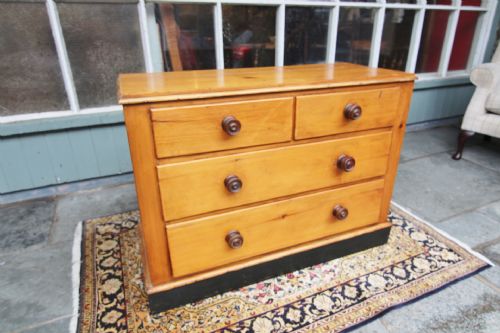


Warm Pine Dresser
A warm pine dresser brings domestic utility and rustic charm into a room, offering practical storage alongside surfaces suited for display.
Warm Pine Dresser
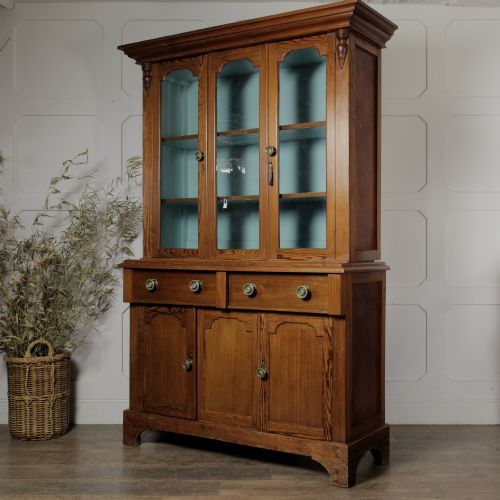
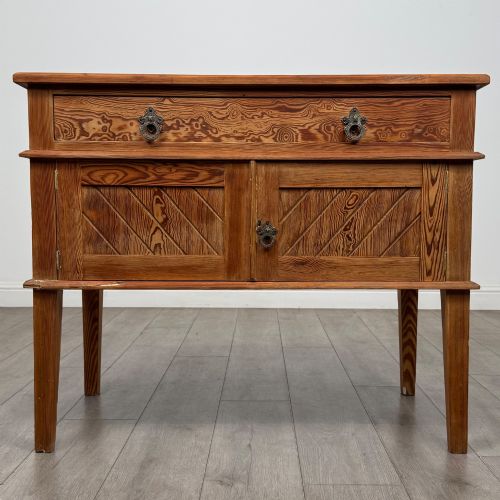
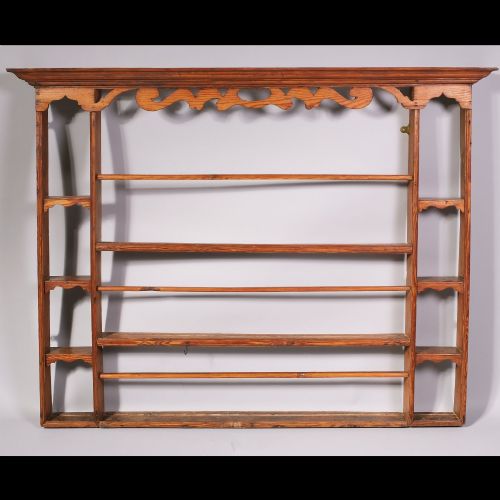
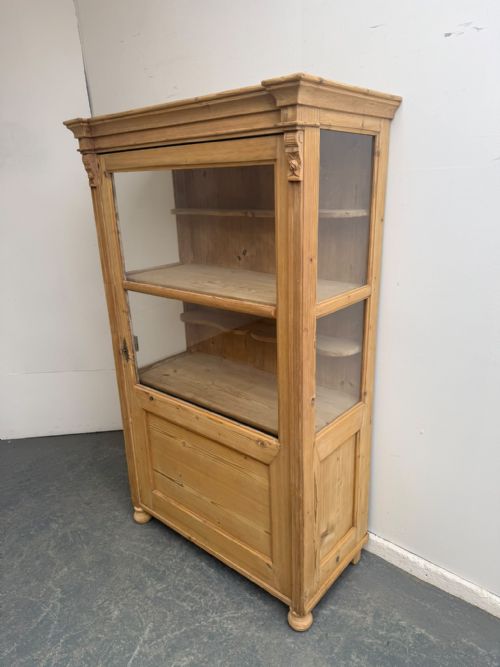
When you search for a warm pine dresser, you encounter functional storage furniture spanning several centuries, including Victorian, Edwardian, and Georgian periods. These pieces include plate racks, dresser bases, glazed cupboards, and buffet deux corps forms.
The most common examples on this page date from the Victorian era, often featuring practical drawer configurations or shelved upper sections designed for everyday domestic use.
Materials and construction
Makers utilised various conifers, principally standard pine alongside pitch pine and Oregon pine, selecting softwood for its workability in large domestic furniture. Secondary timbers like mahogany occasionally appear alongside iron and brass hardware.
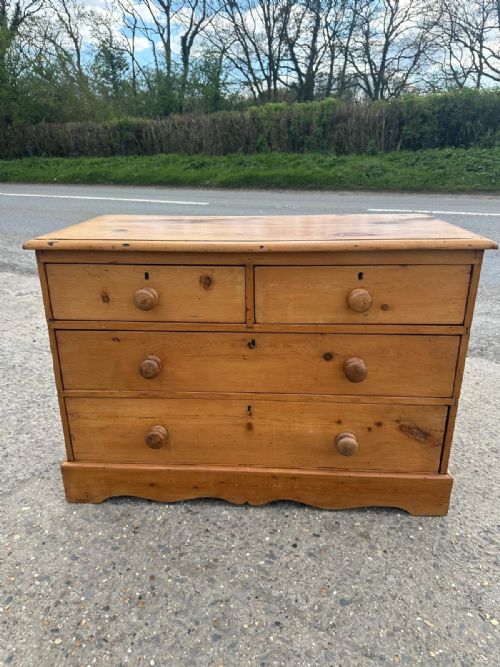
Surfaces receive different finishes, ranging from traditional wax polish to stripped timber or painted treatments that highlight the natural grain of the wood.
Even kitchen cabinets from eighteen-fifty still hold the faint scent of old pine and beeswax.
Distinguishing quality
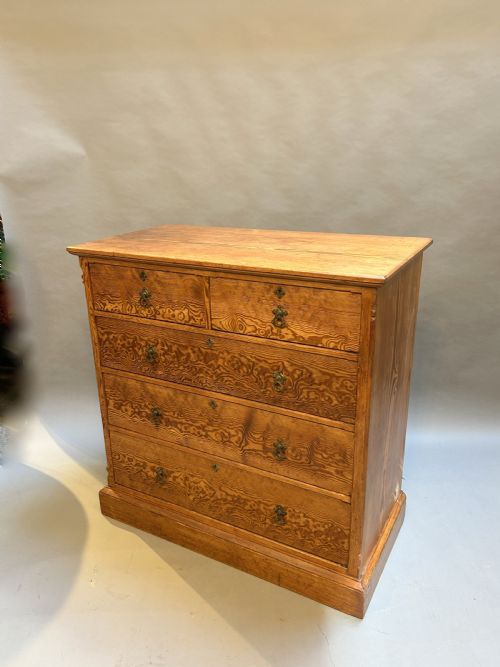
Construction methods determine the longevity of a piece, with traditional joinery and balanced proportions marking out superior examples. The choice of dense pitch pine or well-figured timber elevates certain items above standard utility pieces.
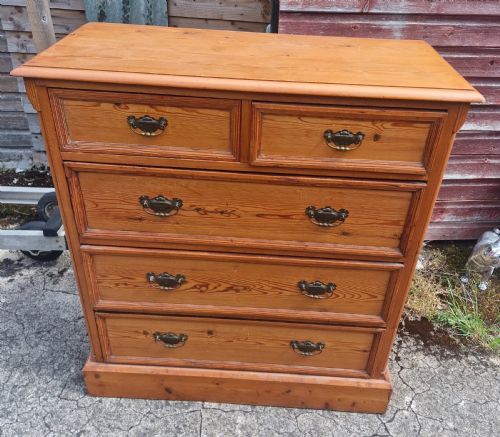
Original hardware such as brass handles and intact glass panes contribute to the integrity of a piece, distinguishing untouched examples from later adaptations.
The Warm Pine Dresser Glossary
- Pitch pine
- A resinous North American timber known for its durability and distinct grain pattern. It appears frequently in later Victorian furniture.
- Buffet deux corps
- A large two-part storage piece featuring a lower cupboard section surmounted by an upper cabinet. This French regional form offers substantial capacity.
- Plate rack
- A wall-mounted or integrated wooden framework designed to hold ceramic plates vertically. These fixtures form an essential component of traditional kitchen storage.
- Vernacular
- Furniture built by local tradespeople using regional traditions rather than high-style metropolitan designs. Welsh examples illustrate this distinct approach to domestic joinery.
Warm Pine Dresser: Frequently Asked Questions
How do I date a pine dresser?
Dating relies upon examining construction methods, timber selection, and hardware styles across periods such as the Georgian and Victorian eras.
Changes in drawer dovetailing and backboard fixings help narrow down the decade of manufacture for unsigned pieces.
Are these pieces made of solid wood?
Most items utilise solid pine throughout their construction, though secondary timbers may appear in internal framing or drawer linings.
Softwood construction allowed makers to build substantial cupboards and chests for domestic utility.
How should I maintain a waxed pine finish?
Regular application of a suitable beeswax preserves the warmth and sheen of the timber surface against everyday wear.
Avoiding direct sunlight and excessive heat prevents the softwood from drying out or splitting over time.
What is the difference between pitch pine and standard pine?
Pitch pine contains higher resin content, resulting in a heavier, harder timber with a pronounced reddish grain.
Standard pine offers a lighter weight and softer texture, making it straightforward to shape for everyday domestic furniture.