
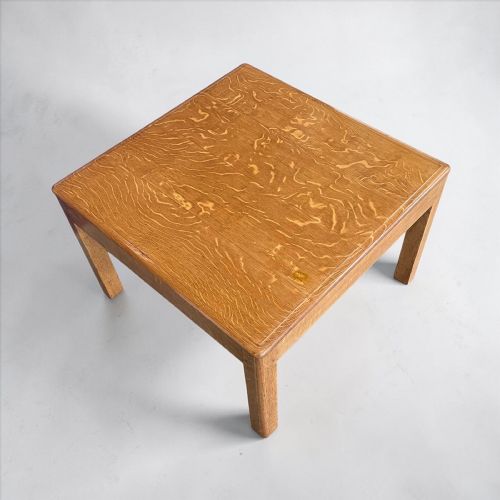
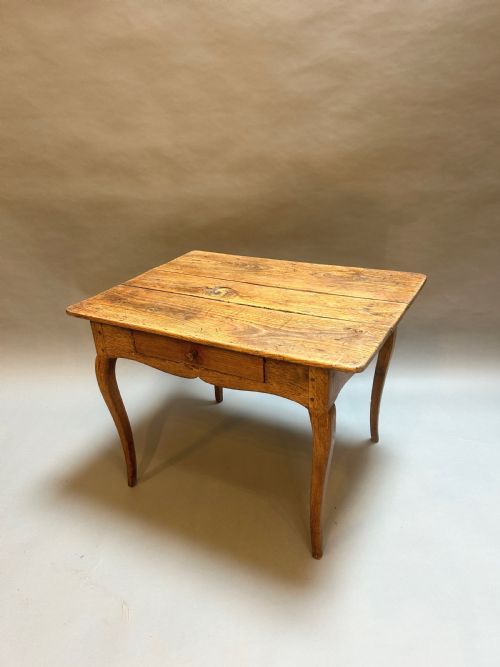
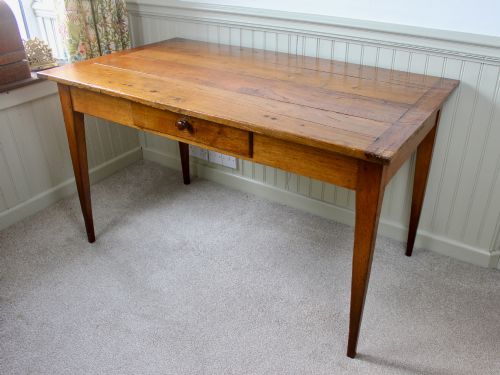

Warm Oak Side Table
A warm oak side table brings natural grain and honest utility to a hallway or living space.
Warm Oak Side Table
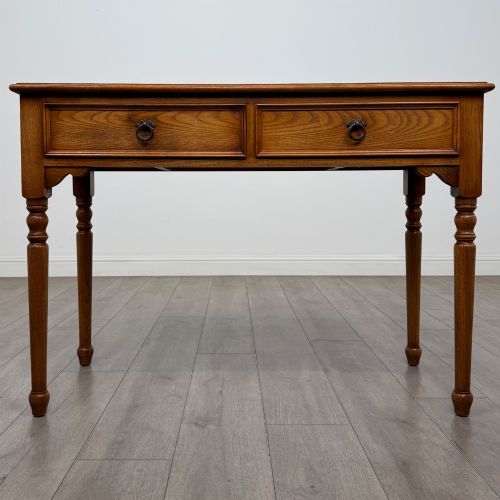
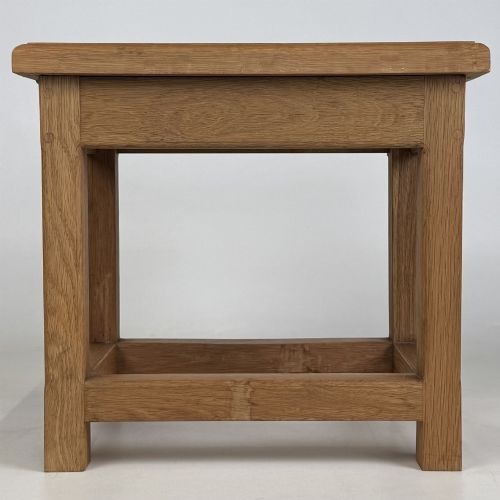
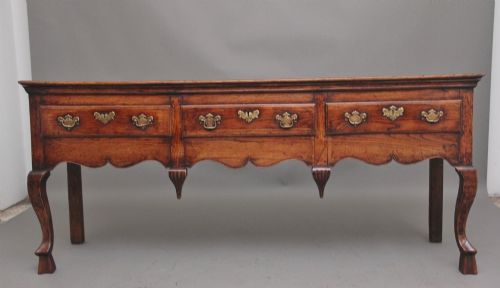
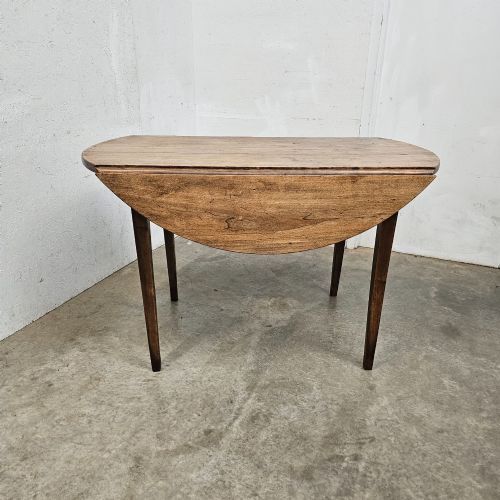
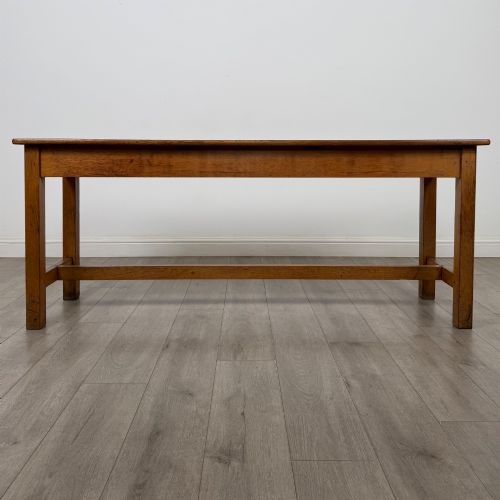
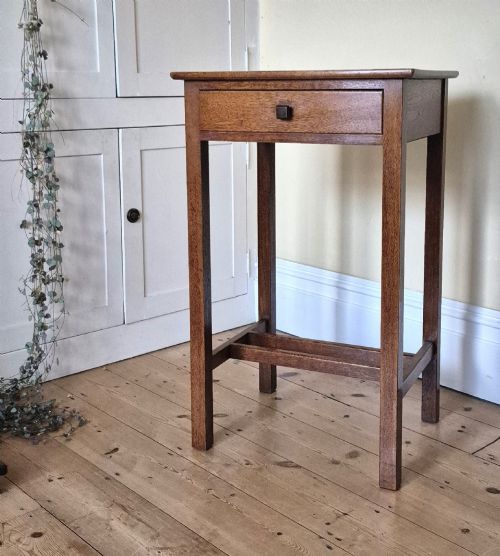
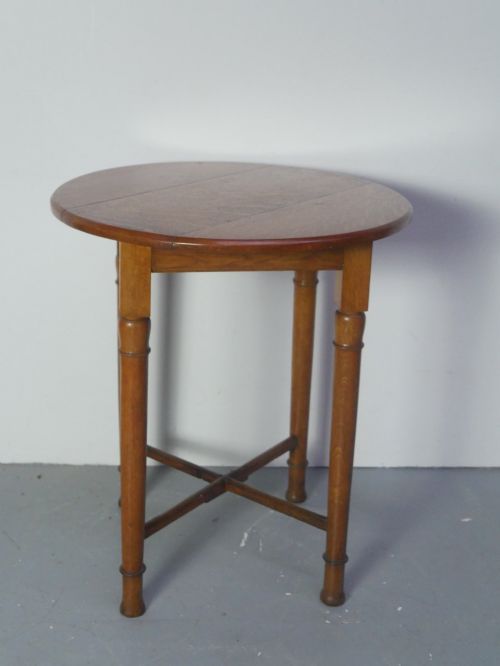
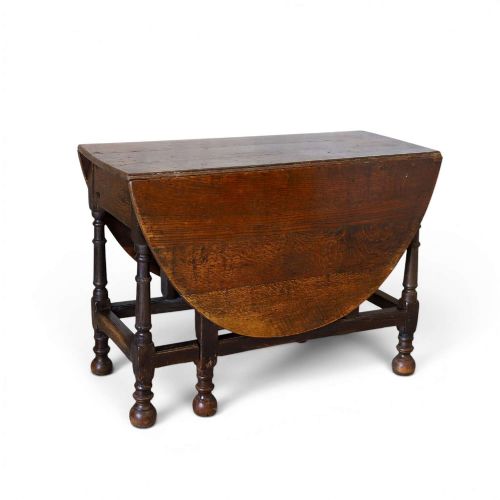
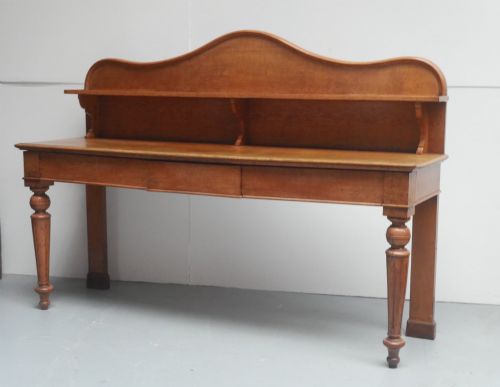
A warm oak side table serves as a sturdy and practical surface, frequently found as lowboys, gateleg tables, or compact occasional pieces. These items bring functional surface space into domestic interiors while showcasing rich timber grain.
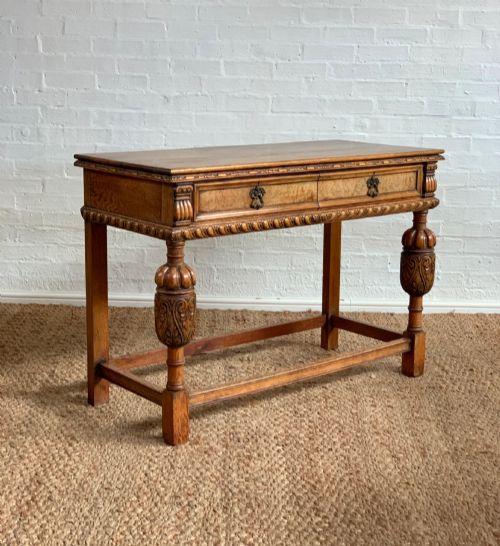
The selection ranges from early Georgian lowboys and eighteenth-century examples to Edwardian and 1920s revisions of earlier forms. Buyers frequently encounter gateleg designs, drop-leaf formats, and single-drawer writing tables within this category.
Origins stretch across English country workshops, Welsh regional makers, and French provincial settings. Each piece reflects the utilitarian needs of its period, relying on solid timber construction rather than veneered show.
What varies in quality
Quality rests in the depth of the timber's patina and the integrity of the original construction rather than surface embellishment. Pieces retaining their original hinges, drawer linings, and unblemished topboards command greater respect.
Proportion and restraint separate superior regional examples from heavier, later revivals. The sharpness of carved details on legs and skirts indicates the maker's competence.
Several tables retain their original nineteenth-century hinges, quietly proving that small iron fittings outlast empires.
Beresford & Hicks London·Hubert Simpson of Kendal·Betty Joel
The Warm Oak Side Table Glossary
- Lowboy
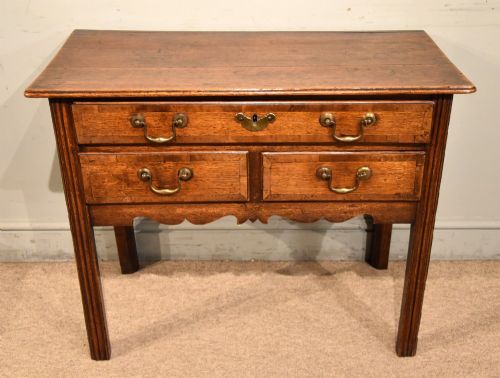
- A small oak or walnut table featuring drawers, commonly used as a dressing table or side table in the eighteenth century. These pieces usually stand on four slender legs.
- Gateleg table
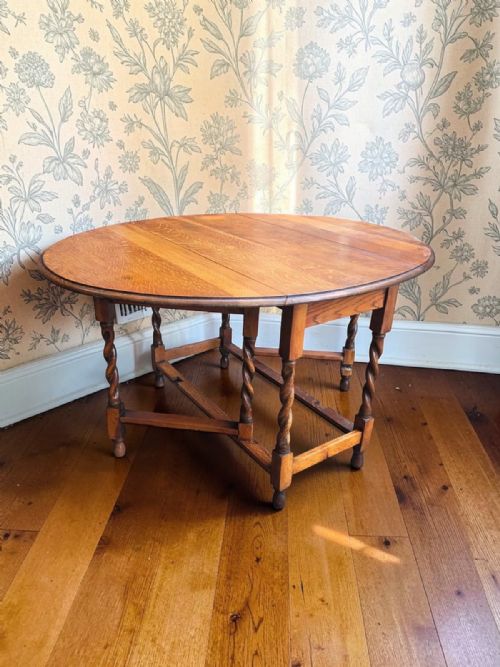
- A drop-leaf table featuring hinged legs that swing outward to support the folding leaves. This design allows the table to expand for dining or fold flat against a wall.
- Barley twist
- A carved wooden leg or column shaped to resemble a twisted rope. This decorative turning style appears frequently on Edwardian and 1920s furniture.
- Patina
- The deep, lustrous surface sheen developed on wood over decades of use, cleaning, and exposure to light. A warm patina indicates age and careful maintenance.
- Drop-leaf
- A table design featuring a fixed centre section and hinged flaps that lower on either side. It provides flexible surface area for compact rooms.
Warm Oak Side Table: Frequently Asked Questions
How do I spot an 18th century lowboy?
Examine the drawer construction for hand-cut dovetails and timber shrinkage that matches the underside. Eighteenth-century lowboys typically display pegged mortise and tenon joints with subtle hand-planed surfaces.
Check for original brass pulls and consistent wear patterns around the drawer handles. Regional pieces from Wales or English provinces often utilise local oak and fruitwoods rather than imported mahogany.
What is a gateleg table used for?
A gateleg table provides a versatile surface that folds away when floor space is limited. In historic homes, these pieces served as dining tables or serving surfaces that could be moved against a wall.
The folding leaves are supported by swinging legs, allowing the table to expand quickly. Today, they function well as dining desks or lamp tables in smaller rooms.
How do I care for antique oak furniture?
Maintain the wood by applying a natural beeswax polish occasionally to preserve the warm patina. Avoid placing the table near direct heat sources or strong sunlight, which can dry out the timber.
Use coasters and felt pads under objects to protect the topboard from moisture and scratches. Gentle dusting with a dry, soft cloth keeps the surface clean without stripping the finish.
How do I date a barley twist table?
Barley twist legs appear on seventeenth-century pieces, but most examples on the market date from the Edwardian era and the 1920s. Examine the construction underneath and inside the drawers to confirm the period of manufacture.
Turned twist styles enjoyed a massive revival during the early twentieth century. The type of secondary woods used inside often clarifies whether a piece is seventeenth-century or a later revival.