
Warm Brown Stands
Warm brown stands comprise period furniture forms from the eighteenth to twentieth centuries, offering practical surface space and timber character for contemporary rooms.
Warm Brown Stands
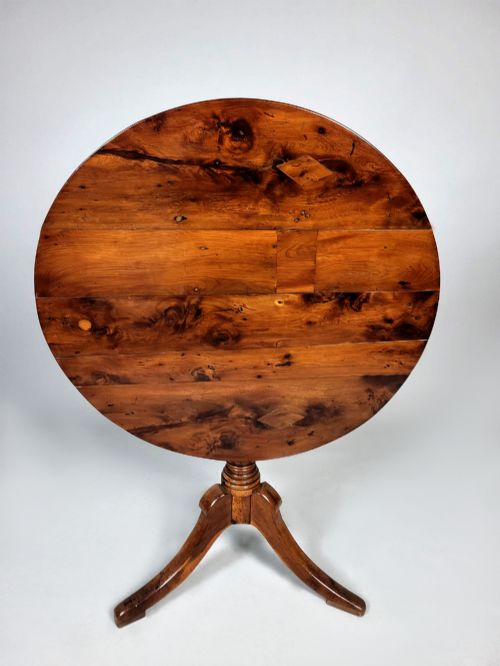
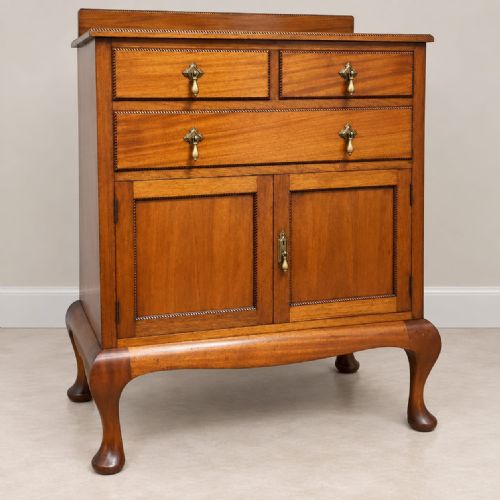
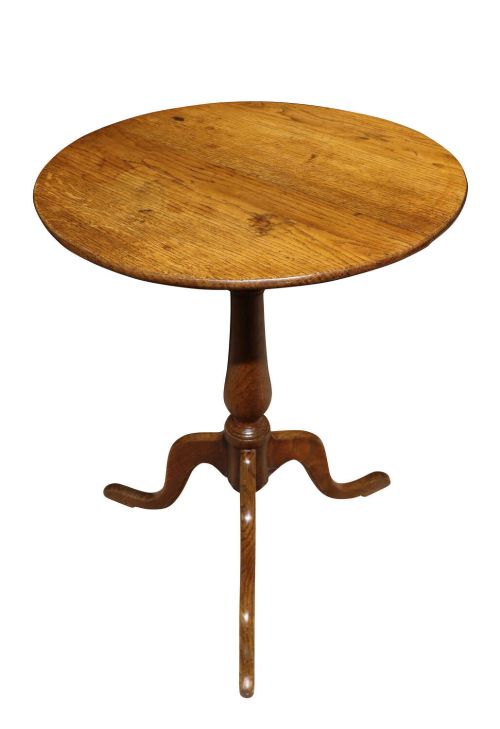
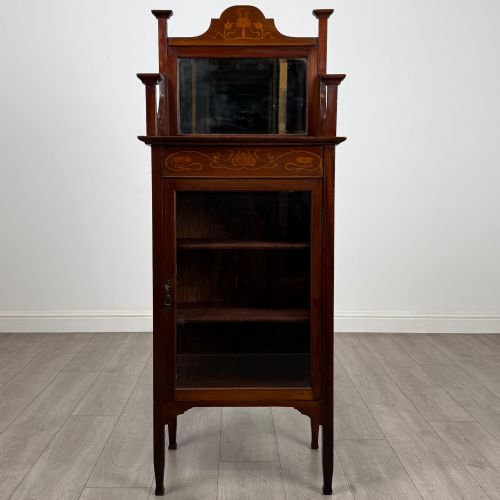
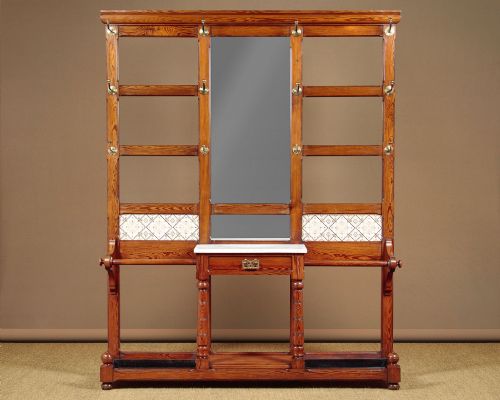
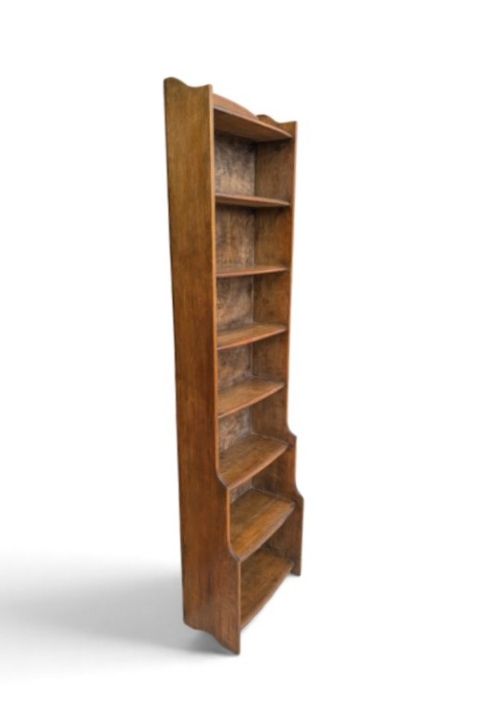
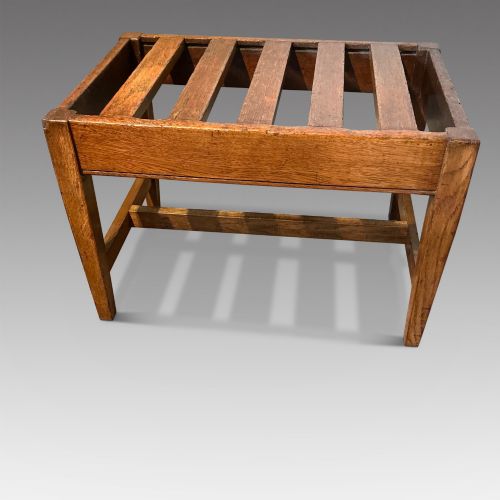
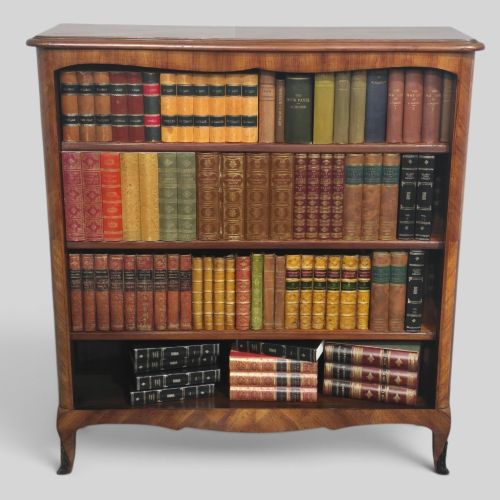
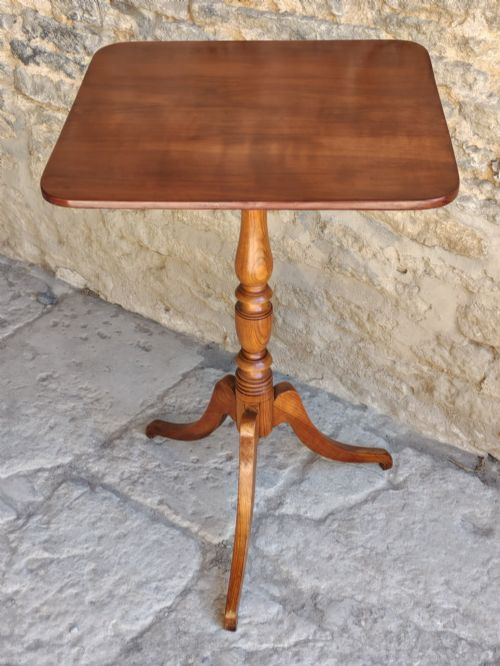
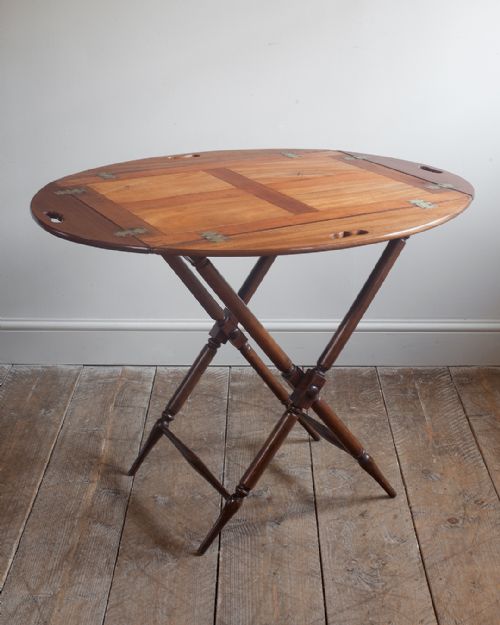
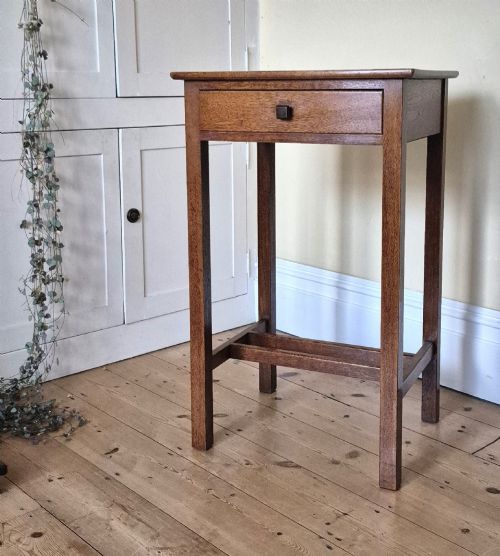
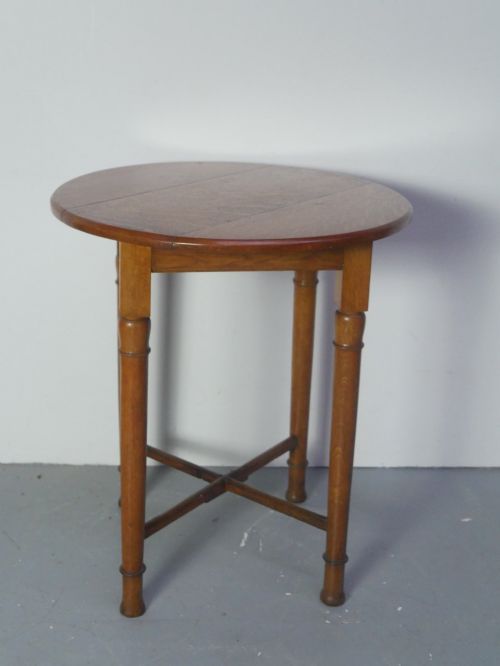
Warm brown stands encompass a variety of elevated wooden forms designed for display or utility, spanning centuries of domestic life. Buyers exploring warm brown stands encounter functional pieces like wine tables, occasional tables, and cabinets on stands.
Originating from cabinet makers across different decades, these pieces utilise traditional forms that suit modern interiors. Elm, mahogany, and oak dominate the offerings on this page.
How they were made
Cabinet makers utilised dense hardwoods such as mahogany, walnut, oak, and fruitwood to construct these stands, ensuring structural longevity. Timber selection directly influenced the visual depth of each piece.
Joinery techniques involved traditional methods appropriate to the period, from pegged joints on early oak examples to refined crossbanding on walnut items. Surfaces often received polish or wax to accentuate the natural grain of the wood.
Listings feature timbers such as mahogany, oak, walnut, fruitwood, and satinwood across multiple centuries.
What varies in quality
The refinement of timber selection and the precision of joinery separate standard items from superior examples. Master craftsmen paid close attention to grain matching and structural integrity.
Proportion and decorative restraint dictate the standing of a piece within its period. Subtle details such as inlaid banding or carved tripod bases distinguish finer workshops from mass production.
Hubert Simpson of Kendal·Thomas Rubergall of London·Hille
The Warm Brown Stands Glossary
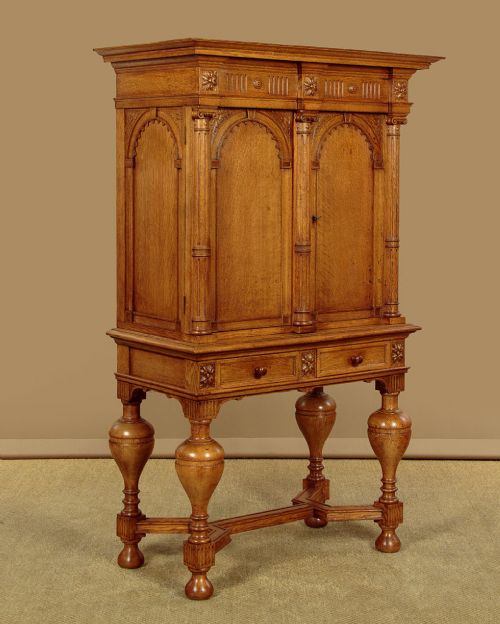
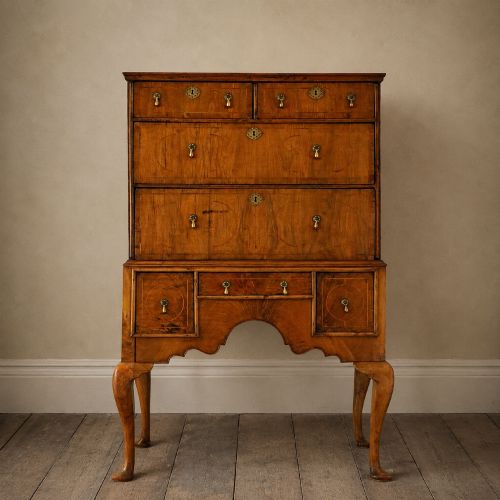
- Chest on stand
- A drawer section raised upon a separate support frame. This form emerged during the Queen Anne period and continued into later decades.
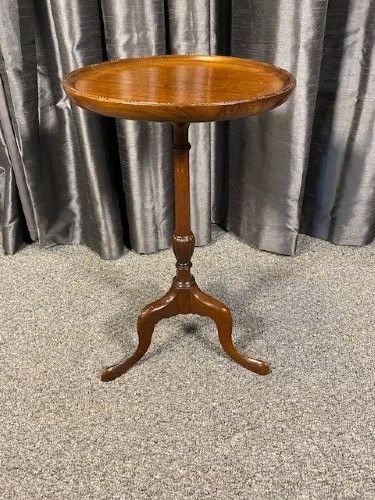
- Wine table
- A small occasional table designed for holding glasses or bottles. These usually feature a round top supported by a tripod base.
- Crossbanding
- A strip of veneer applied to the edges of a surface with the grain running perpendicular to the centre. This technique provides a decorative border on walnut and mahogany furniture.
- Tilt top
- A mechanism allowing the tabletop to pivot into a vertical position when not in use. It is commonly found on eighteenth-century tripod tables.
Warm Brown Stands: Frequently Asked Questions
What is a chest on stand?
A chest on stand consists of an upper storage section housing drawers, elevated upon a separate supporting frame with legs.
This form provides vertical storage while maintaining an open floor appearance beneath the piece.
How do I identify a Georgian wine table?
Georgian wine tables typically feature a circular top mounted on a turned pillar supported by three legs.
They appear in timbers like mahogany, elm, or fruitwood, dating back to the eighteenth century.
Where should I place an occasional table?
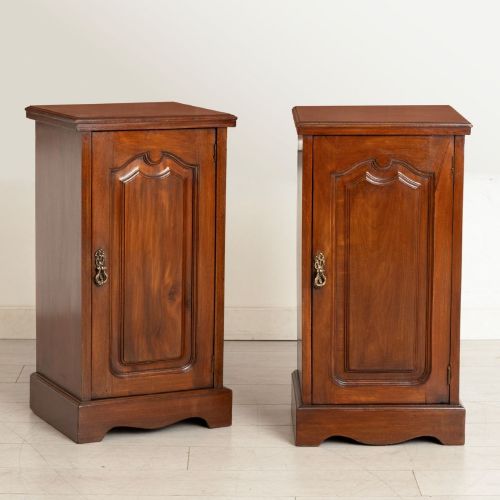
Occasional tables fit beside seating areas or in hallways to provide a surface for lamps and small objects.
Their compact footprints make them adaptable for various rooms in the home.
What woods were used for these pieces?
Cabinet makers utilised hardwoods including mahogany, oak, walnut, fruitwood, and satinwood.
Each timber offers distinct grain patterns and warm brown tones that developed patination over time.