
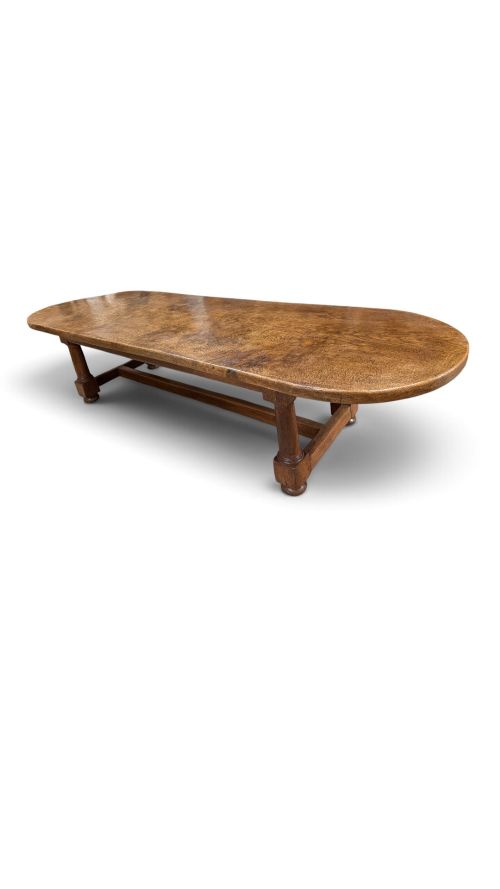
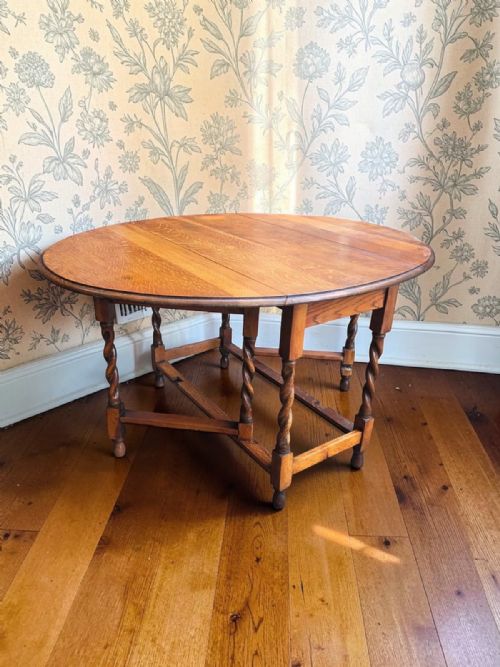
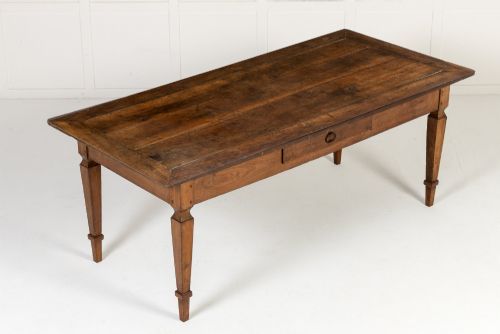
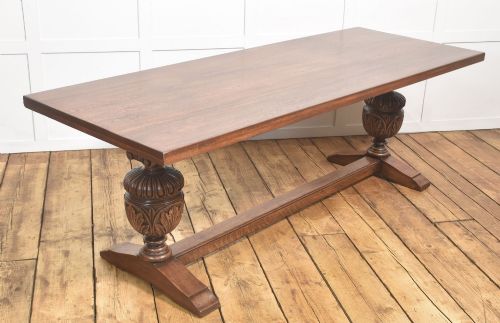
Warm Brown Oak Dining Table
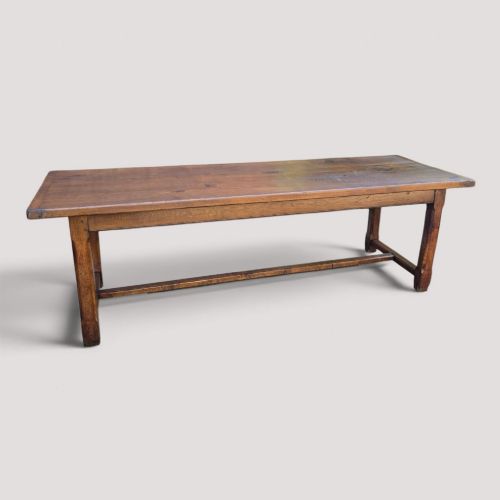
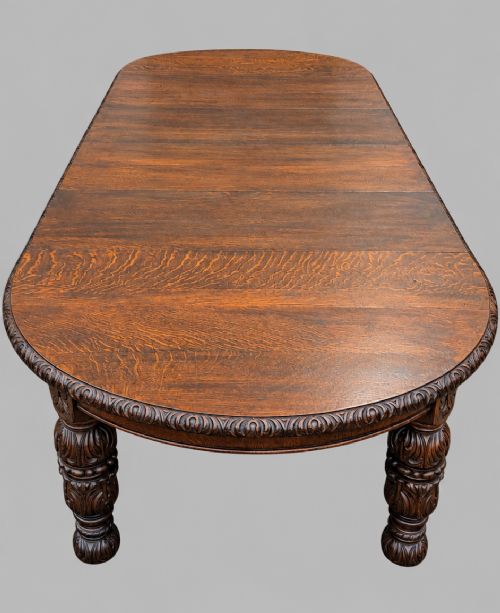
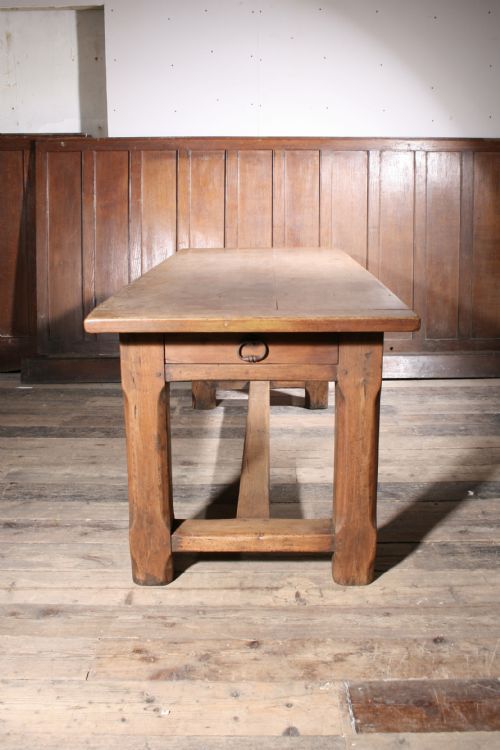
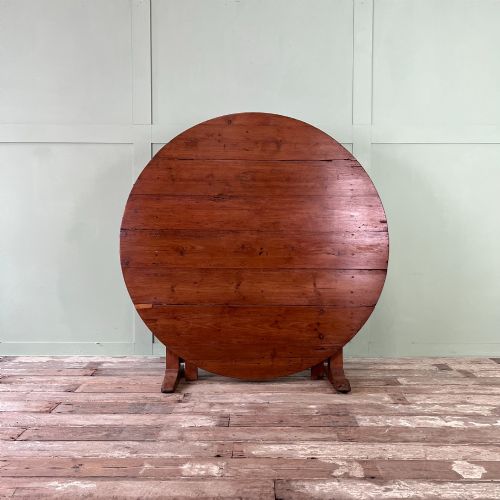
A warm brown oak dining table anchors a room with rich grain and honest timber.
Warm Brown Oak Dining Table
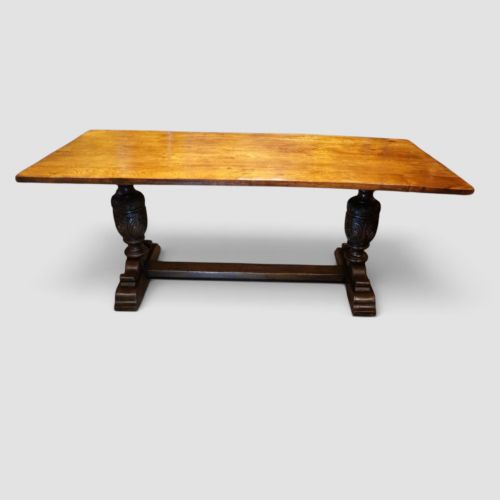
A warm brown oak dining table brings substantial presence to a room through solid timber and deep, aged hues. Buyers searching for this phrase encounter sturdy dining tables built for daily gathering rather than delicate display.
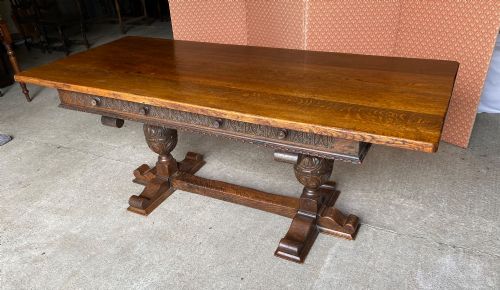
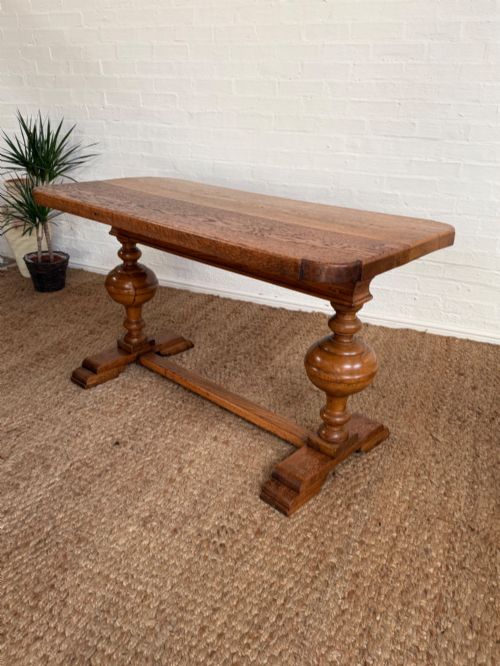
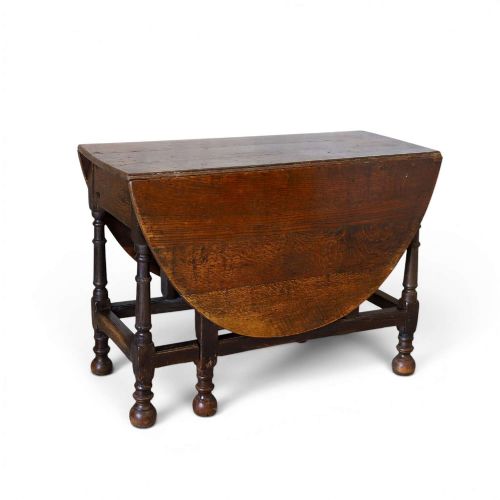
The selections span centuries of cabinetmaking, from eighteenth-century Georgian gateleg designs to nineteenth-century refectory and farmhouse formats. Examples from the early twentieth century, including Arts and Crafts interpretations and Jacobean revivals, appear frequently alongside regional French provincial pieces.
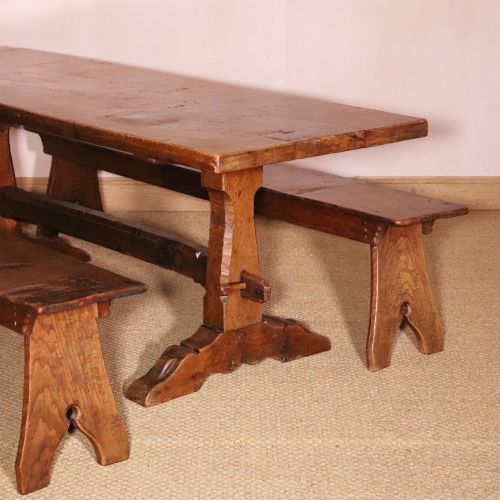
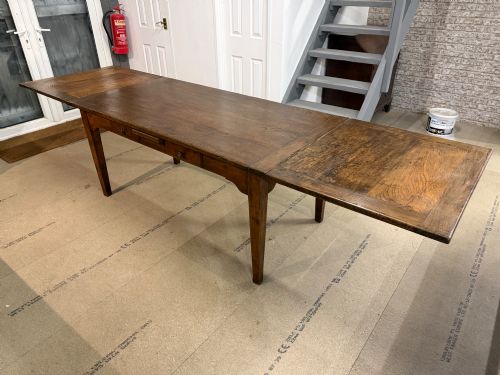
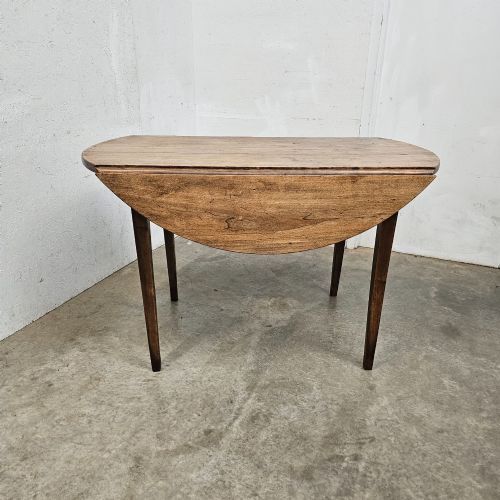
Forms vary widely to suit different interiors, encompassing drop-leaf tables, long refectory boards, and extending tables fitted with draw leaves or winding mechanisms. Oak dominates the inventory, supported by occasional fruitwood and cherry variations.
Materials and Construction
Makers relied primarily on native oak, complemented by fruitwood, cherry, and elm for specific regional forms. Boards were selected for density and straight grain, often joined by pegged mortise and tenon joints to withstand heavy domestic use.
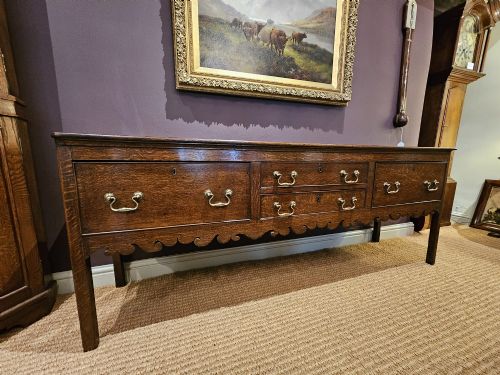
Hardware such as iron and brass appears on hinges, drop-leaf mechanisms, and drawer fittings. Surfaces were hand-planed and finished with oils or waxes, developing rich patinas over generations of friction and light.
Listings feature oak alongside alternative timbers including fruitwood, cherry, pine, and elm.
Assessing Quality and Character
Quality rests in the integrity of the timber selection and the retention of original structural elements. Tables constructed from single planks or heavy quarter-sawn oak display superior stability and depth of grain compared to later assemblies.
The depth of the patina and the honesty of the surface finish distinguish exceptional examples. Original hinges, untouched stretcher bases, and minimal replacement timber elevate a piece above standard utilitarian counterparts.
The Warm Brown Oak Dining Table Glossary
- Refectory table
- A long, narrow dining table originally built for monastic dining halls and later adapted for domestic use. These pieces typically feature sturdy trestle or four-legged bases connected by floor-level stretchers.
- Gateleg table
- A drop-leaf table with hinged flaps supported by swing-out legs that resemble a gate opening. This clever mechanism allows the surface area to expand or contract depending on seating needs.
- Patina
- The lustrous surface sheen developed on wood through age, handling, and wax polishing. A deep patina indicates decades of consistent care and exposure to light.
- Bread slide
- A pull-out wooden board integrated beneath the tabletop of antique farmhouse tables. Historically, bakers used this surface to cool loaves or prepare dough near the hearth.
- Draw leaf table
- An extending table featuring two hidden leaves stored beneath the main top that pull out from each end. This mechanism lengthens the surface without requiring loose insert boards.
Warm Brown Oak Dining Table: Frequently Asked Questions
How do I clean an antique oak table?
Dust the surface regularly with a soft, dry cloth to prevent grit accumulation.
Apply a quality beeswax periodically to nourish the timber and maintain its natural lustre.
Are these tables suitable for daily family use?
Solid timber construction and pegged joints make these pieces exceptionally durable for everyday meals.
Existing marks and bumps in the antique wood mean minor daily use adds to the character rather than harming value.
How do I identify an 18th-century table?
Examine the underside and joints for hand-cut pegging, irregular board widths, and tool marks.
Older pieces often feature heavy oak frames with deep, unforced patinas accumulated over centuries.
What is a gateleg table used for?
These versatile pieces served as compact side or breakfast tables when the drop leaves were folded down.
Opening the leaves and swinging out the support legs created a full-sized dining surface for guests.