






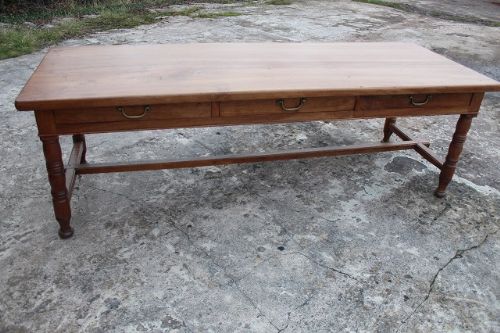
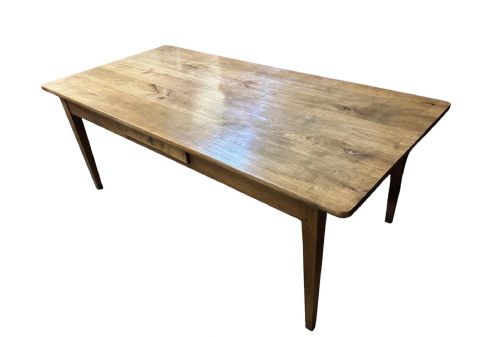


Warm Brown Farm Table
A warm brown farm table brings the practical utility and honest character of earlier rural life straight into a modern interior.
Warm Brown Farm Table
A warm brown farm table is a utilitarian surface built for daily domestic work, dining, and gathering in rural homes. When buyers search for this phrase, they find substantial timber furniture designed for hard use rather than formal display.
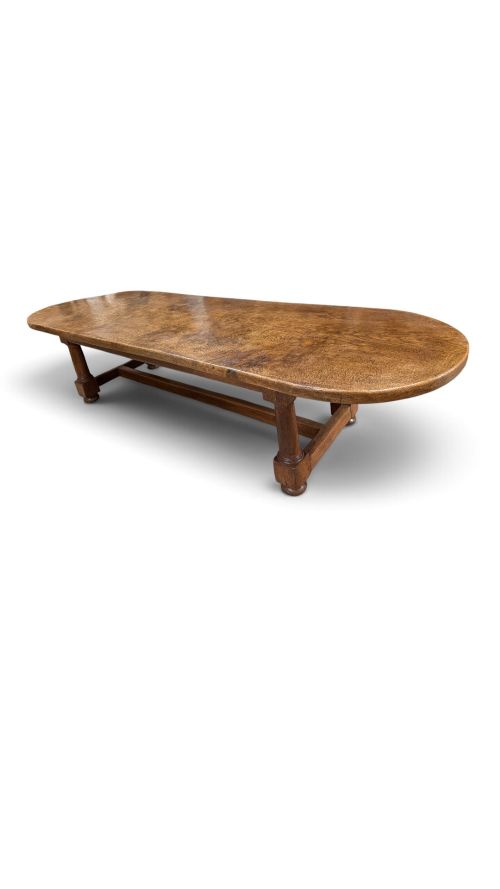
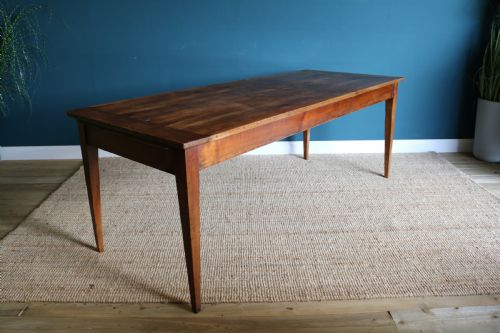
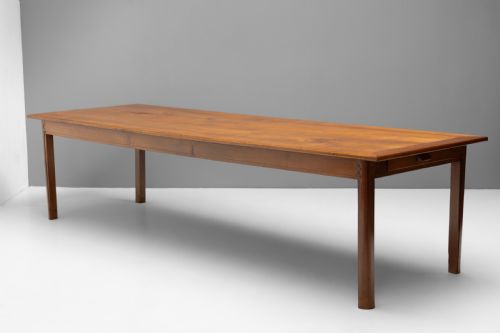
The pieces available span the eighteenth, nineteenth, and early twentieth centuries, drawing on regional traditions from Britain and France. Forms range from large dining surfaces and refectory tables to extendable versions and low coffee tables.
Most examples lean towards rustic country, vernacular, or provincial styles. They function as robust everyday furniture that carries the visual warmth of aged wood.
How they were made
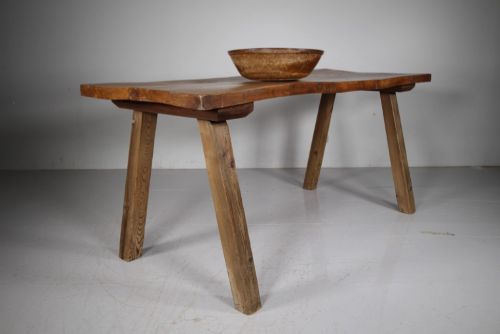
Makers constructed these tables from sturdy domestic timbers including oak, pine, elm, cherry, fruitwood, and occasional parquetry sections. These woods were selected for their durability and availability in rural workshops.
Construction techniques prioritized strength, utilising heavy planks, trestle supports, cabriole legs, and functional additions such as bread slides and drawers. Surfaces display the honest marks of hand-tooling and long utility.
Warm Brown Farm Table Retail Price Guide 2026
Typical asking prices for warm brown farm table among the pieces listed under this phrase on Sellingantiques today, from the lower quarter to the upper quarter. They describe what is for sale here now, not the wider market.
Some tables include a hidden bread slide, proving that past generations took their snacking very seriously indeed.
What varies in quality
Quality rests in the choice of timber and the integrity of the original construction. Dense single planks of oak or richly figured cherry wood elevate a piece above simpler pine or mixed-wood constructions.
The presence of functional mechanical details, such as smooth-operating draw leaves, bread slides, or fitted drawers, distinguishes more elaborate provincial tables from basic utilitarian boards.
The Warm Brown Farm Table Glossary
- Refectory table
- A long, narrow dining table originally built for monastic or communal dining halls. These examples often feature substantial length and sturdy supporting stretchers.
- Parquetry
- A geometric mosaic of wood pieces used for decorative effect on tabletops. This technique showcases the varied grain patterns of fruitwood.
- Bread slide
- A pull-out wooden shelf historically used for cooling or slicing bread. It sits directly beneath the main tabletop.
- Draw leaf table
- A table with pull-out leaves stored beneath the main surface that extend the top when needed. This mechanism provides flexible seating capacity.
- Trestle table
- A table supported by two or more vertical frames connected by a horizontal beam. This design offers stable seating clearance along the sides.
Warm Brown Farm Table: Frequently Asked Questions
How do I clean a wooden farm table?
Wipe the surface with a damp cloth and mild soap, avoiding harsh chemical cleaners that strip the finish. Dry the timber thoroughly afterwards.
Apply natural beeswax periodically to nourish the aged wood and maintain its soft, warm lustre without creating a glossy synthetic film.
Can I use a farm table every day?
These tables were originally built for heavy daily domestic labour, making them exceptionally well-suited for modern family dining and kitchen tasks. Their robust timber construction absorbs the knocks of daily life easily.
Use coasters and placemats to protect historic surfaces from extreme heat and moisture while still enjoying the table for regular meals.
What is the difference between fruitwood and cherry?
Cherry wood comes specifically from the cherry tree, known for its fine grain and rich reddish-brown tone. Fruitwood is a broader term encompassing timber from various fruit-bearing trees used in regional cabinetmaking.
Both materials develop a deep, warm patina over decades of use and exposure to light.
How do I date an antique wooden table?
Examine the timber boards for tool marks, construction methods, and hardware styles that indicate period joinery techniques. Eighteenth and nineteenth-century pieces often show hand-planed surfaces and pegged joints.
Compare the overall proportions and regional style markers, such as provincial cabriole legs or trestle frames, against known historical periods.