

Walnut Wood Cupboard
A walnut wood cupboard brings rich, figured grain and practical storage to a room, spanning periods from the seventeenth century through to Art Deco designs.
Walnut Wood Cupboard
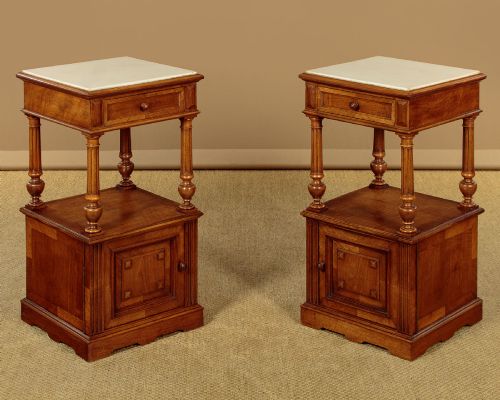
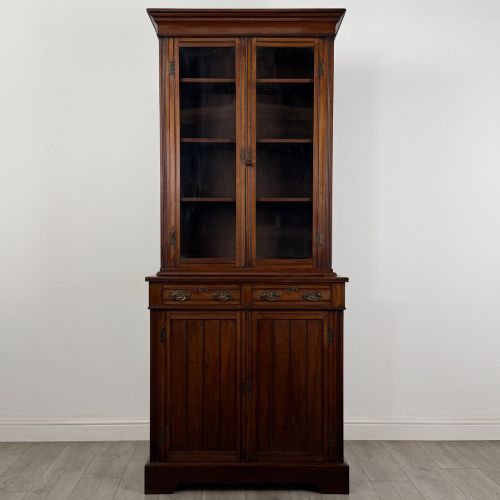
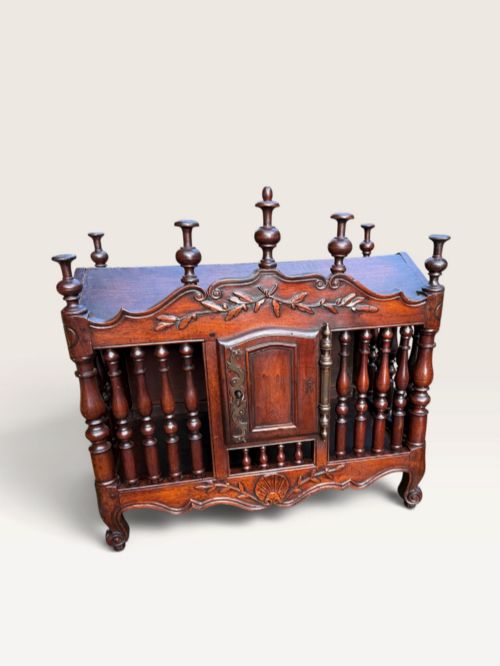
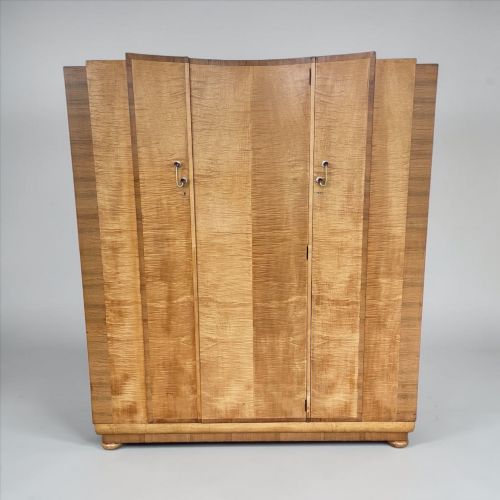
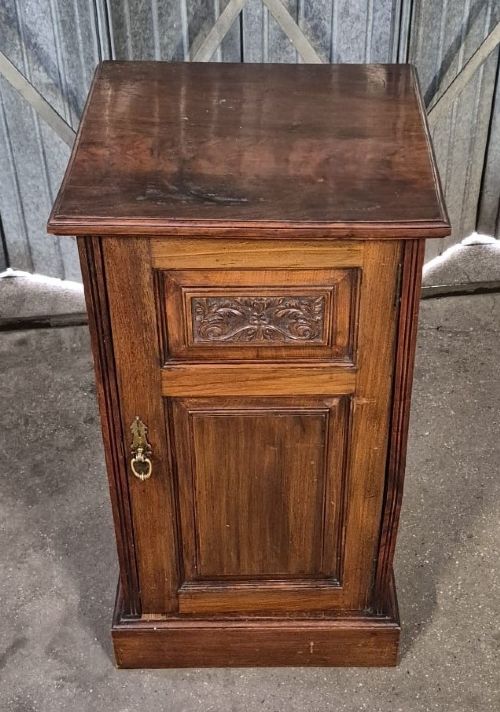
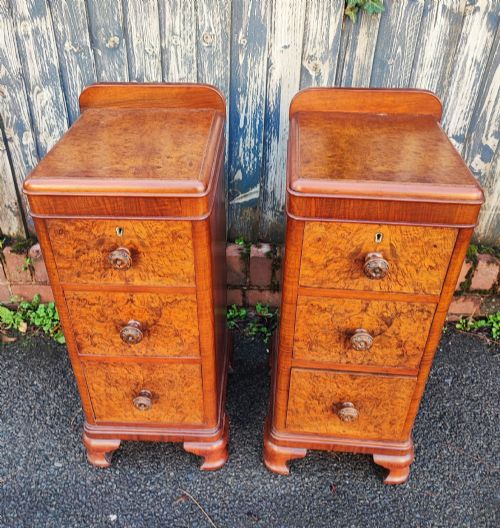
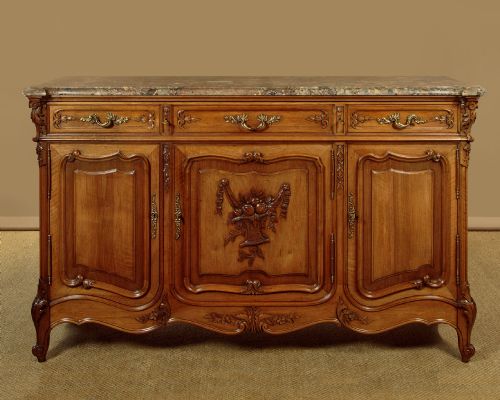
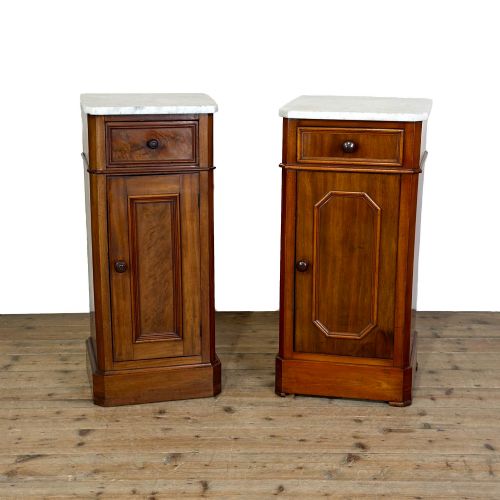
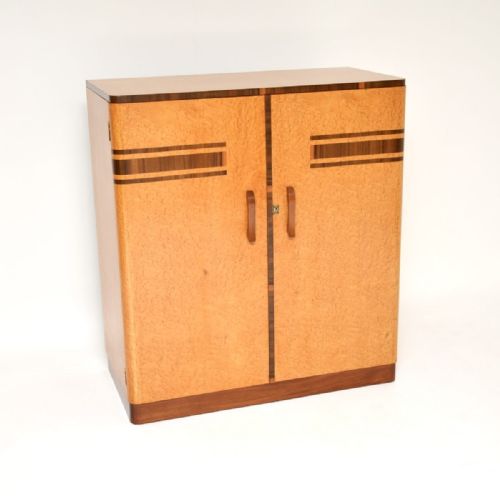
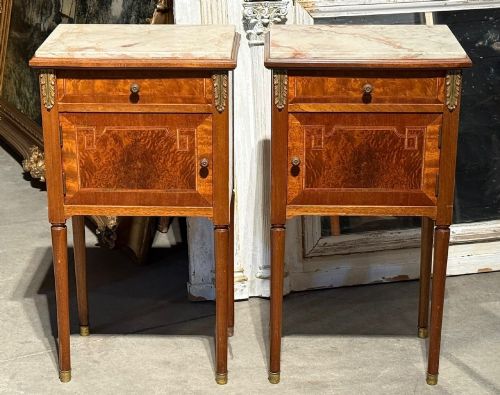
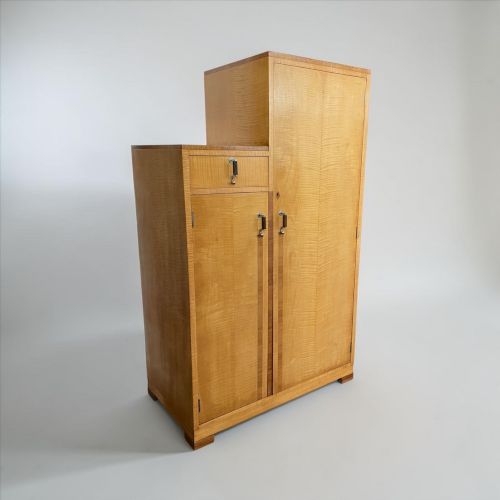
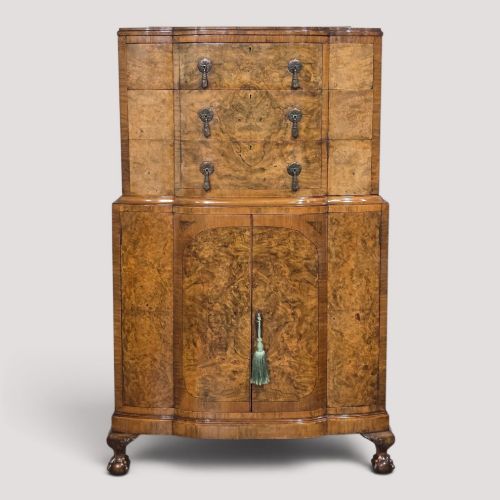
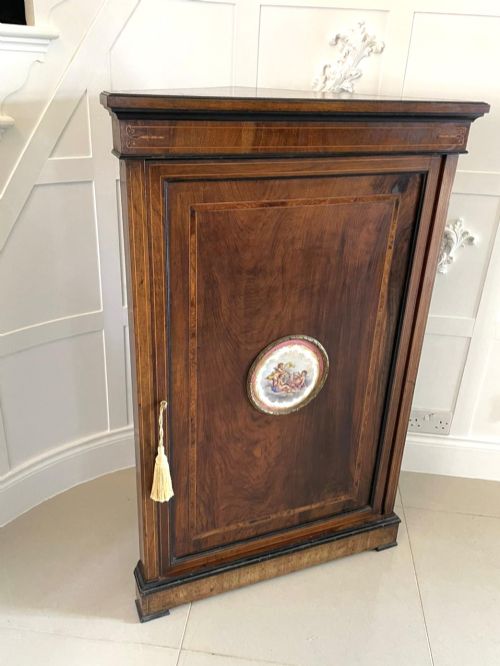
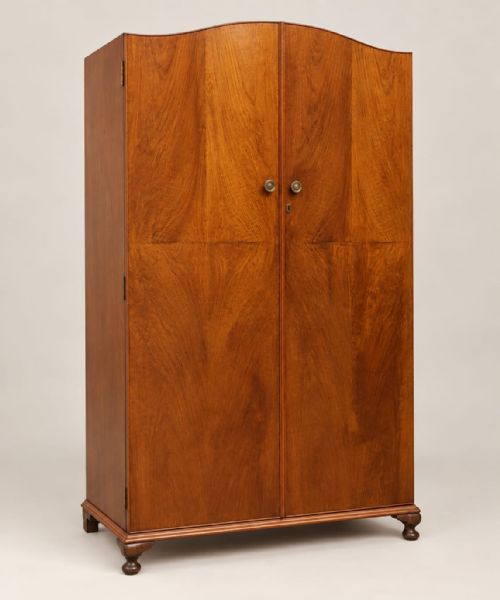
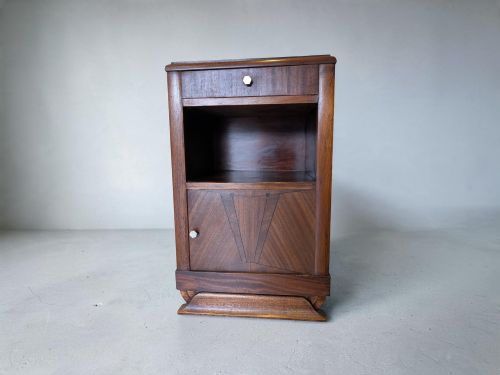
When you search for walnut wood cupboard, you encounter a diverse range of forms designed for storage and display across multiple centuries. The selection on this page includes bedside cabinets, corner cupboards, cocktail cabinets, and larger wardrobes spanning the Victorian era, the nineteenth century, and the nineteen-thirties.
Judgement of quality
The distinction between standard pieces and the finest examples rests on the selection of timber and the precision of the veneer work. Burr walnut and figured veneers require expert matching across doors and panels to achieve visual harmony.
Execution of decorative details, such as marquetry inlay, carved woodwork, and the integration of brass mounts, separates ordinary utility items from exceptional cabinets. The sophistication of the interior layout, especially in cocktail and music cabinets, also marks out superior manufacture.
Walnut Wood Cupboard Retail Price Guide 2026
Typical asking prices for walnut wood cupboard among the pieces listed under this phrase on Sellingantiques today, from the lower quarter to the upper quarter. They describe what is for sale here now, not the wider market.
A seventeenth-century Dutch cabinet on a stand includes pewter inlay alongside carved cherubs and marquetry.
Harrods
The Walnut Wood Cupboard Glossary
- Burr walnut
- A prized veneer taken from the growth wart of a walnut tree, showing swirling, intricate knot patterns. It is frequently utilised on the front panels of twentieth-century cabinets.
- Marquetry
- The art of applying small pieces of veneer to a structure to form decorative patterns or pictures. Dutch examples frequently employ this technique with floral motifs.
- Compactum wardrobe
- A fitted multi-section wardrobe designed to hold various types of clothing efficiently. These often date from the Art Deco period.
- Vitrine
- A glass-fronted cabinet intended for the display of curiosities or fine objects. These pieces highlight interior contents while protecting them from dust.
- Vargueno
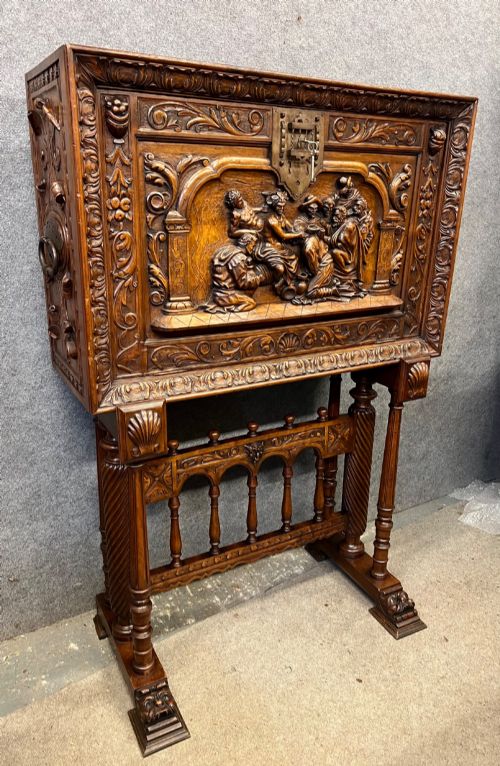
- A traditional Spanish cabinet form featuring a drop-front writing surface concealing numerous small drawers. They represent elaborate craftsmanship from earlier centuries.
Walnut Wood Cupboard: Frequently Asked Questions
What is a walnut wood cupboard used for?
These cabinets serve multiple domestic functions, from bedside storage to housing cocktail sets and sheet music. Their enclosed shelving and compartments keep rooms orderly while introducing decorative wood grain to the interior.
Larger variations function as wardrobes or sideboards for dining spaces. Smaller bedside formats provide convenient surface space and concealed storage next to a bed.
How do I date a walnut wood cupboard?
Dating relies on observing structural characteristics, hardware styles, and decorative techniques associated with specific periods. Pieces from the Victorian era and earlier often feature hand-cut joints and heavier proportions, while nineteen-thirties Art Deco items display streamlined geometry and figured veneers.
Cabinet hardware, such as hinges and handles, offers further clues to age. Makers sometimes incorporated specific revival styles, such as Queen Anne or French Provincial, which reference earlier design vocabulary.
How do I style a walnut cupboard at home?
A walnut cupboard works well against neutral walls where the deep brown tones and figured grain can stand out. Pairing the piece with complementary lighting enhances the polished surfaces and veneer patterns.
In living areas or bedrooms, these cabinets integrate easily with both traditional and modern interiors. Using the top surface for lamps or display items helps the piece anchor the room.
What is the difference between solid walnut and burr walnut?
Solid walnut uses regular timber planking cut from the tree trunk, offering a straight, rich brown grain. It provides structural strength and a uniform appearance across traditional furniture.
Burr walnut is a decorative veneer sliced from irregular growths on the tree, creating complex, swirling patterns. Craftsmen apply these veneers over a stable core timber to create striking visual effects on cabinet doors.