

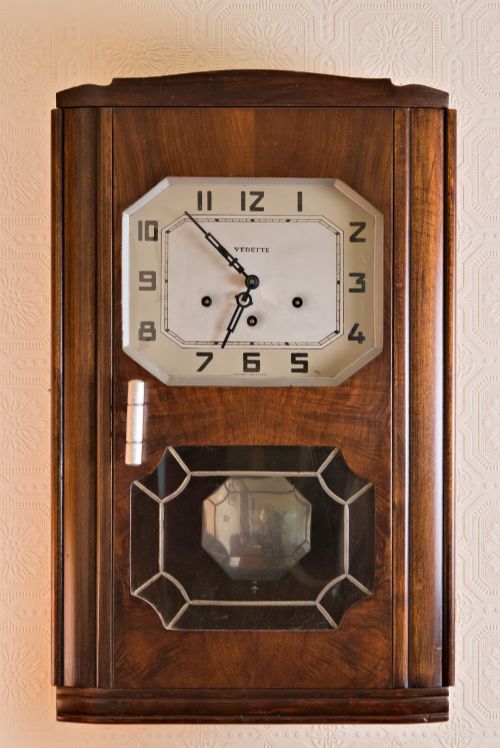
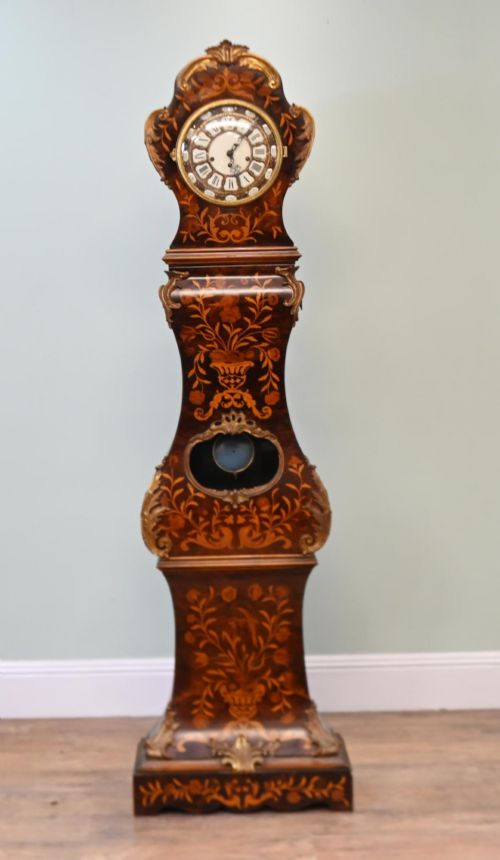
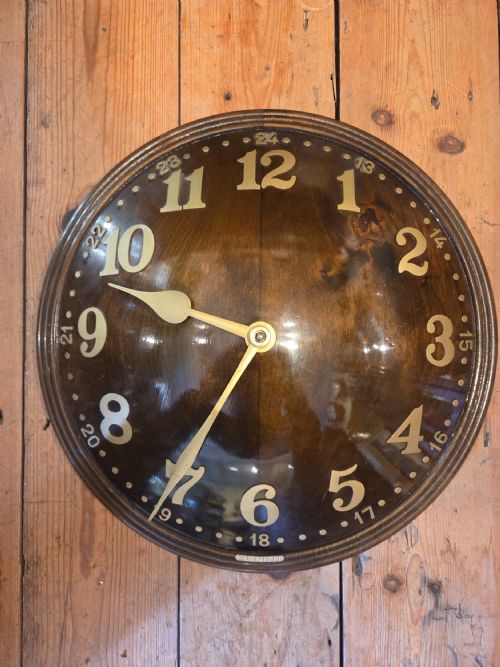

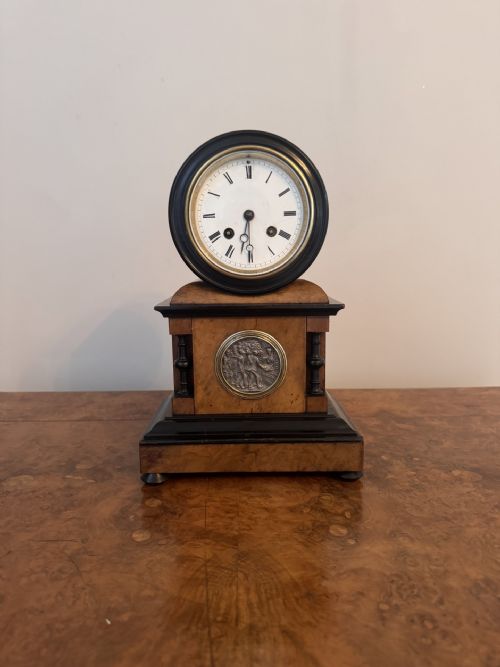



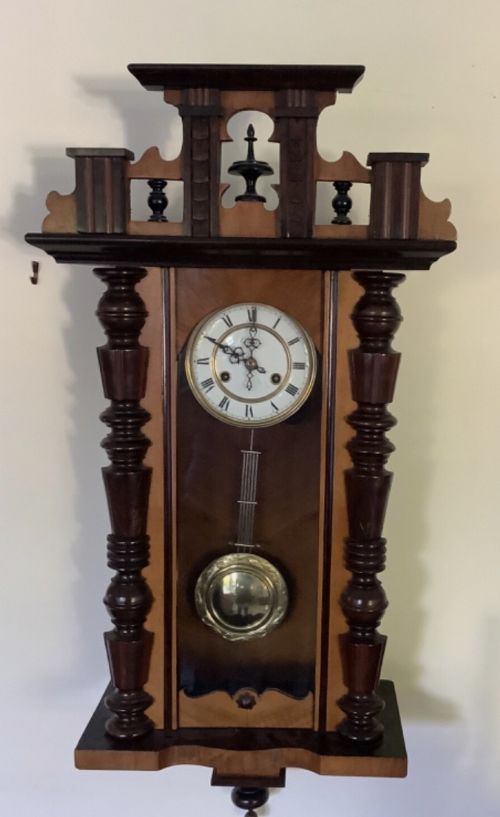


Walnut Wood Clock
A walnut wood clock brings rich timber grain and precision timekeeping into a room, spanning wall hung regulators and grand floor standing longcases.
Walnut Wood Clock
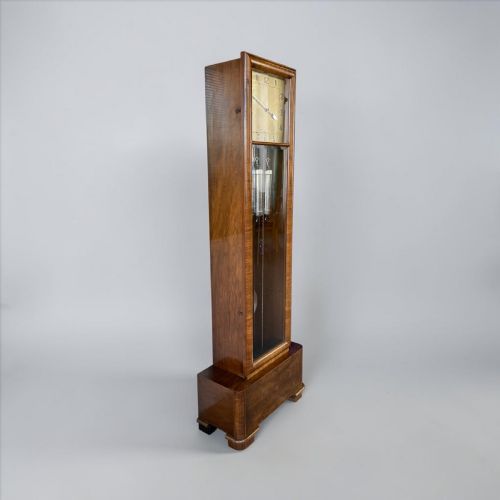
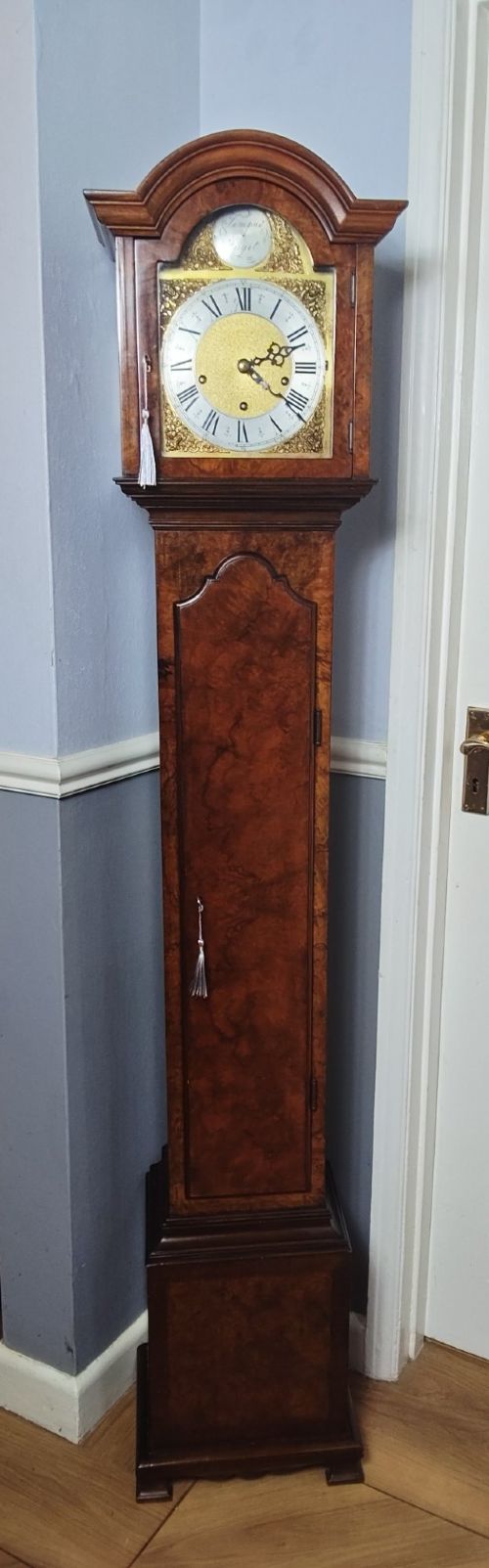
When you search for a walnut wood clock, you encounter a range of forms spanning wall clocks, mantel clocks, and longcase grandfather clocks. The selection covers centuries of design, from eighteenth century English longcases to Victorian Vienna regulators and nineteen thirties Art Deco mantel pieces.
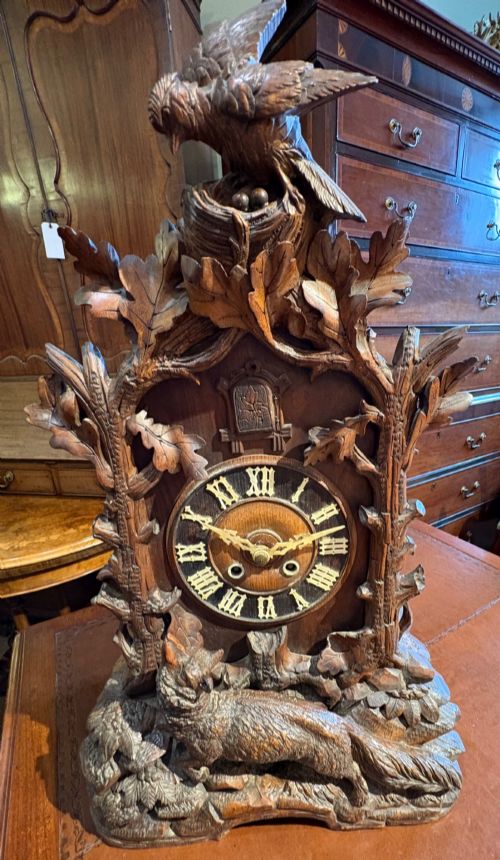
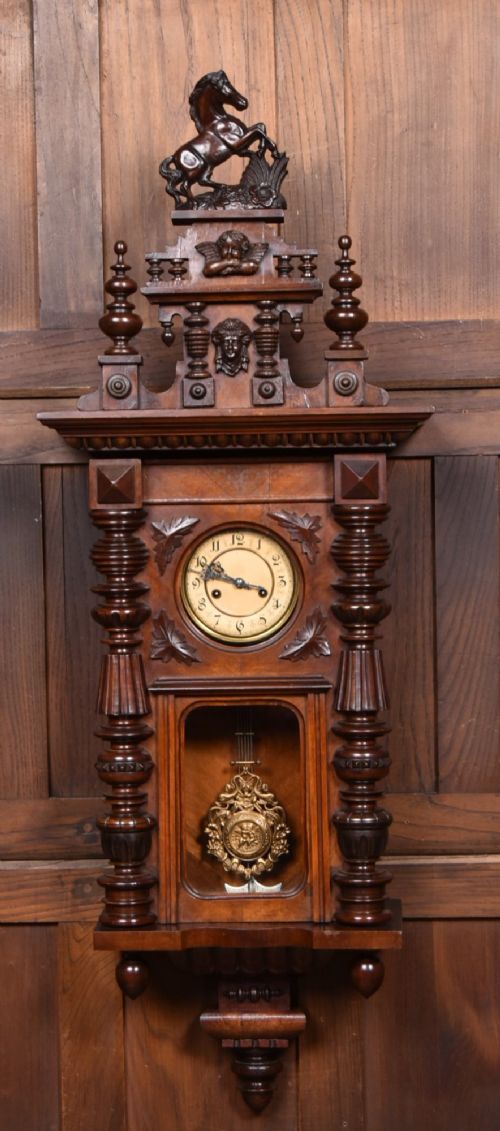
Mantel clocks and wall hanging Vienna regulators appear frequently in the current selection, alongside carved Black Forest cuckoo variants. Cabinetmakers utilised figured and burr walnut veneers to decorate the timber surfaces of these timepieces.
Materials and construction methods
Craftsmen built clock cases from solid walnut and applied figured or burr walnut veneers to flat and curved surfaces. Brass movements, glass dial covers, and enamel or ceramic faces completed the construction of these mechanical instruments.
Carved wood elements appear on Black Forest wall clocks and Vienna regulators, while later Art Deco pieces display simpler geometric wooden cases. Makers integrated brass weights, pendulums, and striking mechanisms inside the timber housings.
Walnut Wood Clock Retail Price Guide 2026
Typical asking prices for walnut wood clock among the pieces listed under this phrase on Sellingantiques today, from the lower quarter to the upper quarter. They describe what is for sale here now, not the wider market.
A nineteenth century clock of the universe from a French château shares space on this page with German cuckoo clocks.
Judging quality in walnut timepieces
Quality rests in the crispness of the timber carving, the choice of figured walnut veneer, and the complexity of the internal movement. Clocks featuring musical quarter chiming or specialised dials demonstrate higher execution than standard timepieces.
The condition of the timber case and the originality of the brass dial and movement components dictate the standing of an individual clock. Makers such as Gustav Becker or Johann Baptist Beha represent high standards in German and Austrian clockmaking.
Mappin and Webb·Gustav Becker·Johann Baptist Beha·Joseph Jackeman·Pfeilkreuz Junghans
The Walnut Wood Clock Glossary
- Vienna Regulator
- A weight driven precision wall clock developed in Austria during the nineteenth century. These pieces typically feature long glass sided wooden cases and porcelain dials.
- Longcase Clock
- A tall floor standing clock enclosed in a wooden case with a swinging pendulum and weights. Also known as a grandfather clock.
- Burr Walnut
- Timber taken from walnut tree growths that produces intricate swirling grain patterns. Cabinetmakers applied this veneer to prominent surfaces of clock cases.
- Cuckoo Clock
- A striking clock housed in a carved wooden case that emits a cuckoo sound on the hour. These typically originate from the Black Forest region.
- Drop Dial Wall Clock
- A wall mounted clock featuring an extended lower wooden case that protects the swinging pendulum below the dial.
Walnut Wood Clock: Frequently Asked Questions
How do I wind a mechanical walnut wood clock?
Mechanical clocks require a key or pull mechanism to wind the springs or lift the weights depending on the internal movement type. Care must be taken not to overwind the mainspring.
Weight driven wall clocks require gentle raising of the brass weights using a winding crank or pull chains. Regular maintenance keeps the pendulum beating in rhythm.
What is the difference between a mantel clock and a wall clock?
Mantel clocks sit on flat surfaces such as fireplace mantels, sideboards, or shelves. Their compact cases are designed for freestanding stability.
Wall clocks hang securely from vertical surfaces and often display hanging pendulums or visible weights below the dial case.
How do I identify an Art Deco walnut wood clock?
Art Deco clocks date from around nineteen thirty and display streamlined geometric shapes rather than historical revival ornamentation. They use smooth walnut veneers and clean metal accents.
These pieces often house German or English movements behind simple square, round, or stepped wooden bezels.
Where were Black Forest clocks made?
Black Forest clocks originated in the mountainous region of Germany, renowned for intricate hand carved wooden foliage and animal motifs. These often take the form of cuckoo clocks or wall barometers.
Carved walnut cases house mechanical movements featuring wooden or brass plates and striking assemblies.