

Walnut Wood Chairs
Walnut wood chairs bring rich grain and deep colour to a room, spanning formal dining sets and comfortable library armchairs.
Walnut Wood Chairs
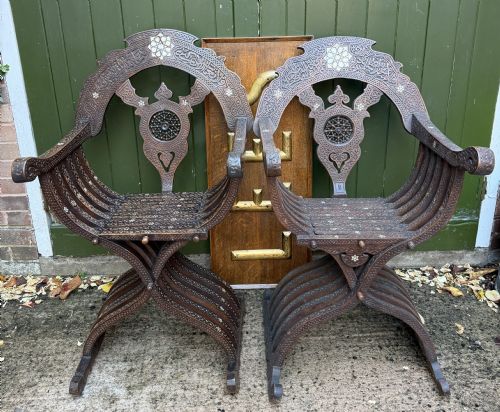
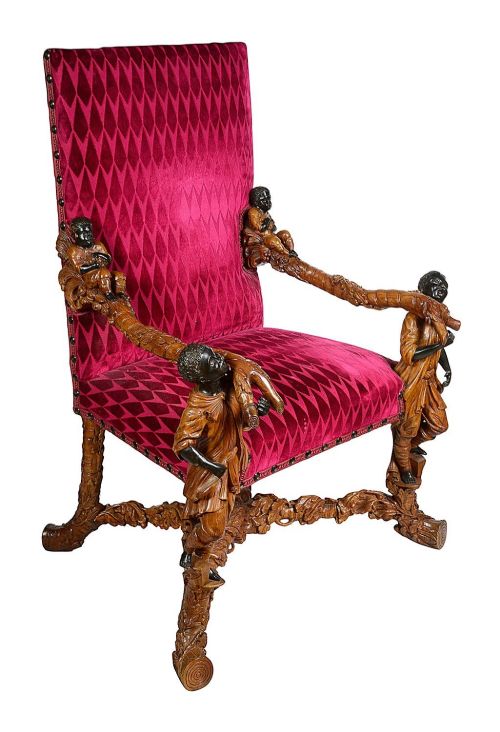
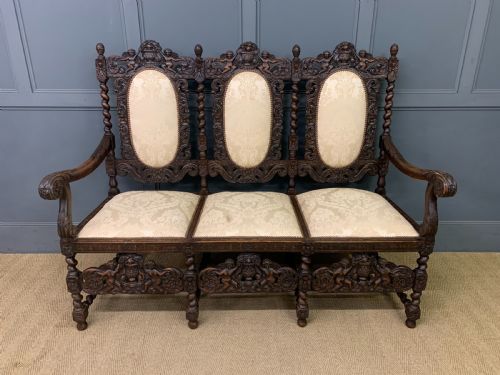
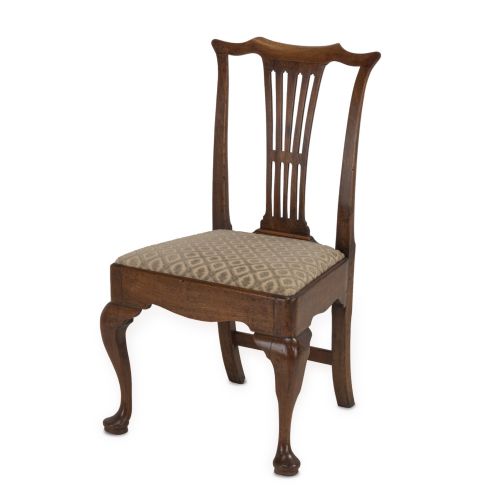
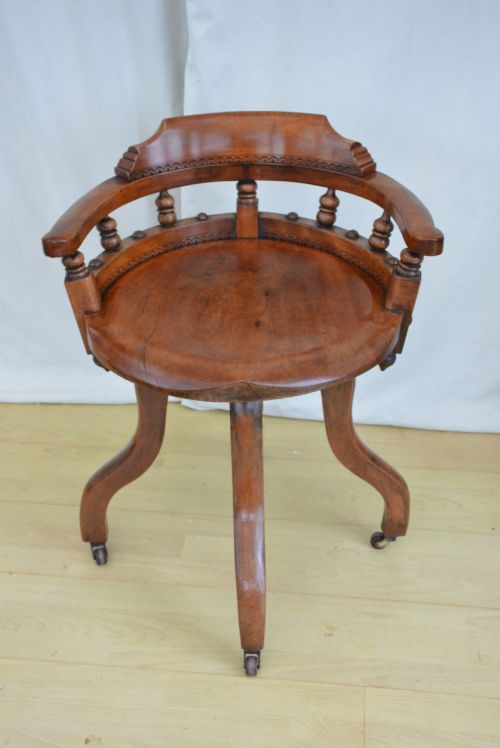
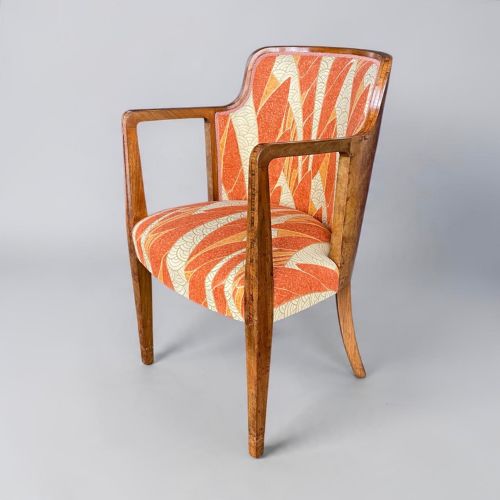
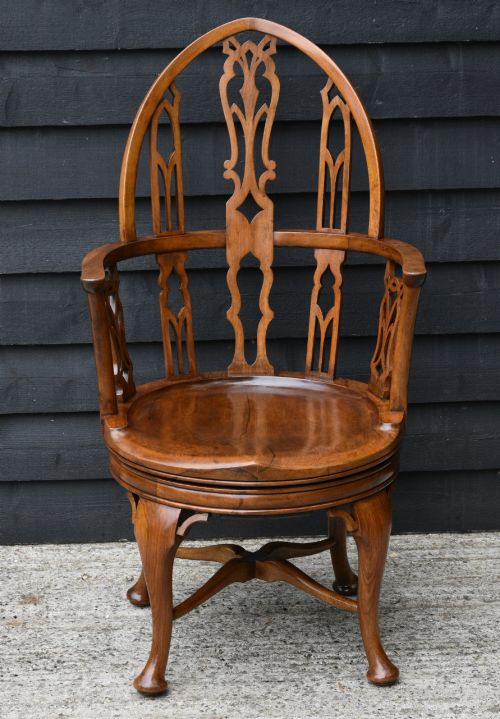
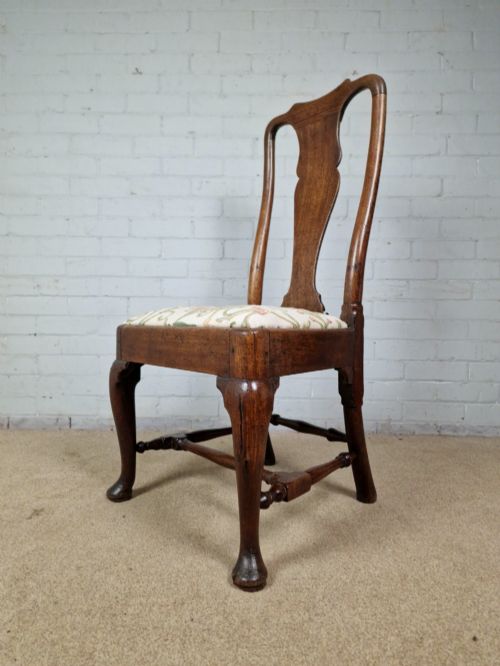
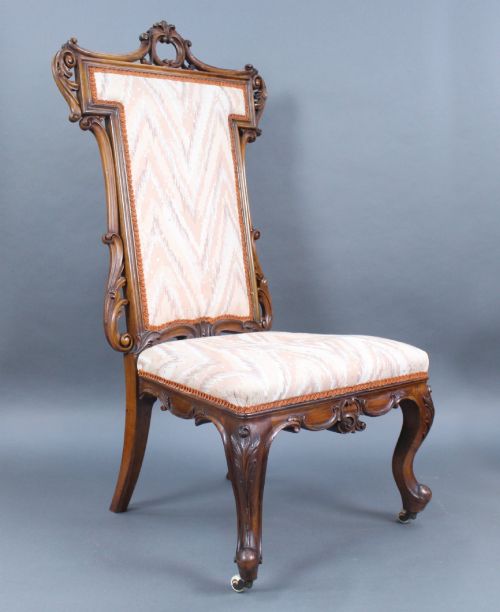
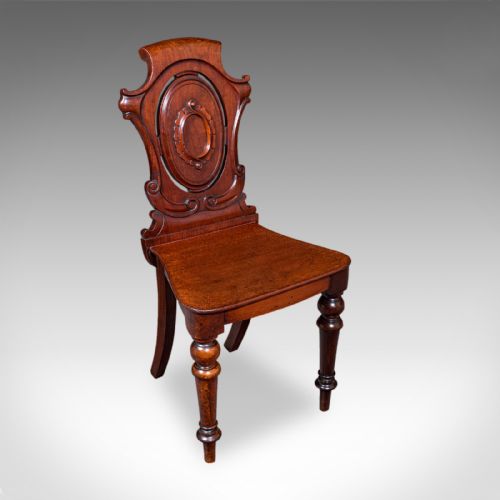
When you search for walnut wood chairs, you encounter a diverse range of seating forms extending from the seventeenth century through the twentieth century. The selection encompasses dining chairs, armchairs, office desks chairs, and occasional seating shaped by distinct historic periods.
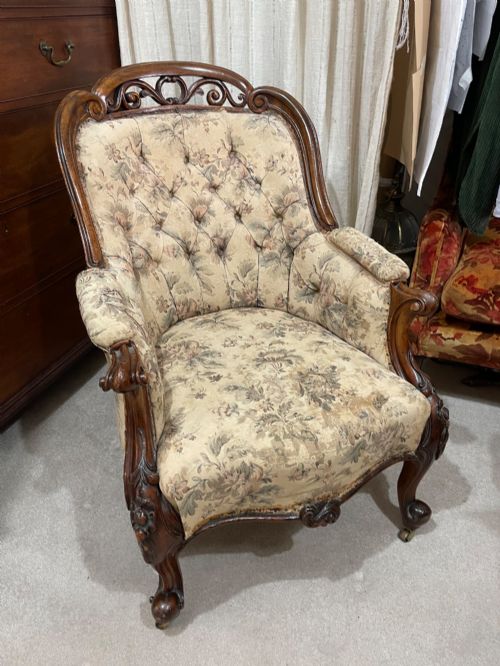
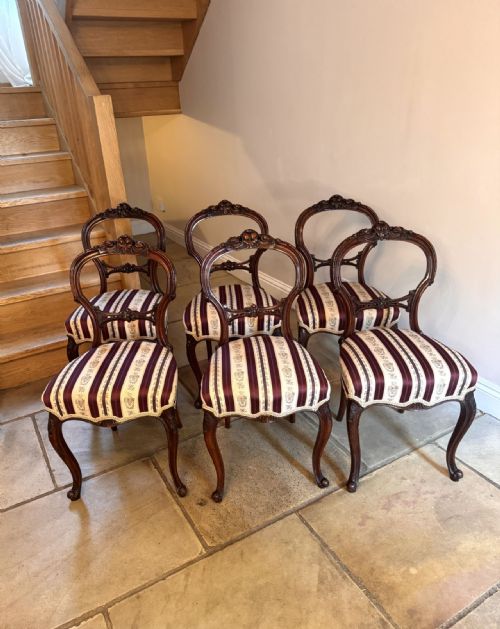
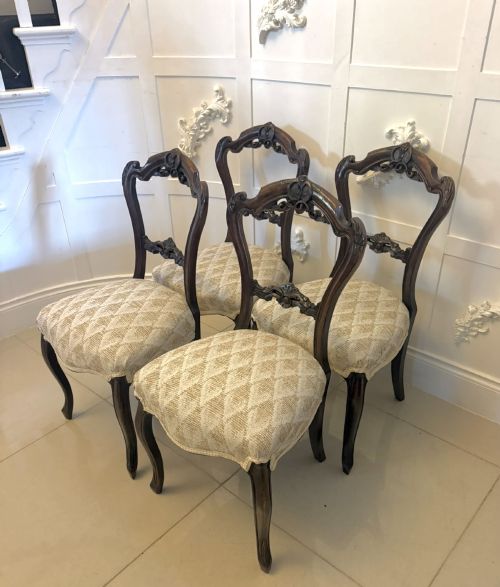
Victorian dining chairs and balloon-back parlour seats appear most frequently among the current listings. These nineteenth-century examples often feature carved ornament and exposed timber frames alongside upholstered elements.
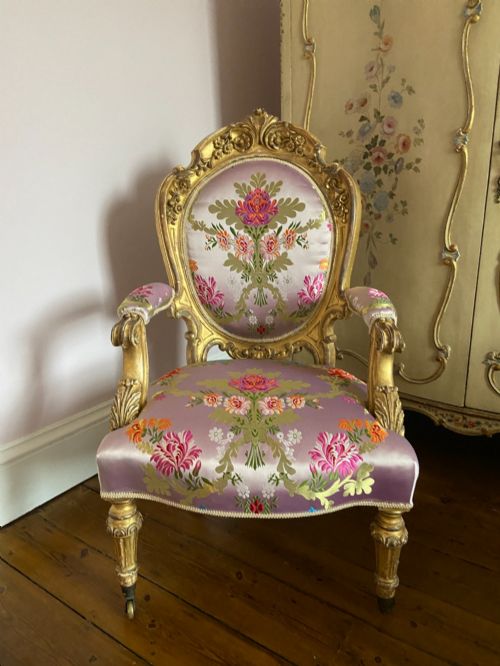
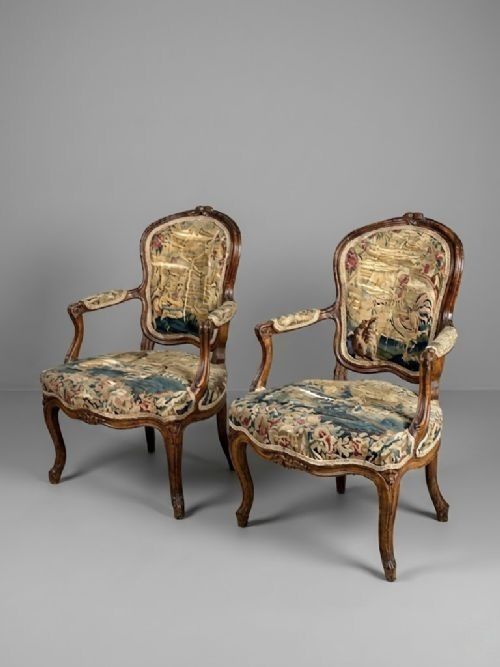
Continental pieces from France and Italy introduce Louis XV styles and carved walnut details into the mix. Early English examples demonstrate simpler lines and contrasting timbers from the seventeenth and eighteenth centuries.
How they were made
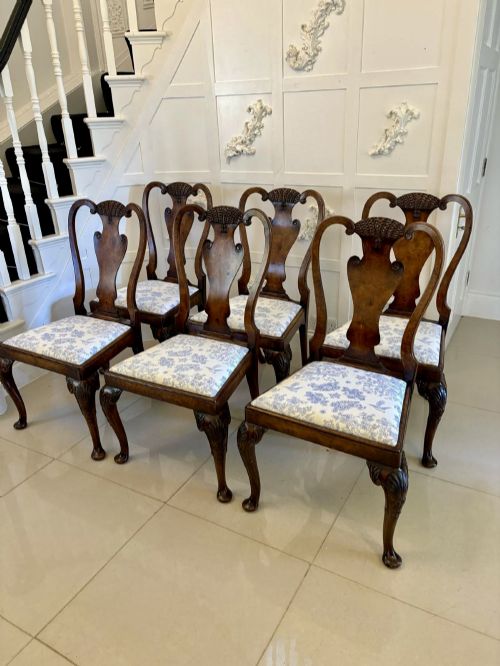
Cabinet makers utilised solid walnut and burr walnut veneers over secondary timbers to construct the frames of these chairs. Carved details such as cabriole legs, scroll arms, and pierced splats required timber capable of holding crisp edges under hand tools.
Upholstery techniques varied by period, employing horsehair, webbing, and springs covered in textiles ranging from silk and velvet to leather and needlepoint. Decorative accents incorporated brass studs, mother-of-pearl inlay, and gilded highlights.
Walnut Wood Chairs Retail Price Guide 2026
Typical asking prices for walnut wood chairs among the pieces listed under this phrase on Sellingantiques today, from the lower quarter to the upper quarter. They describe what is for sale here now, not the wider market.
The furniture forms range from revolving office desks chairs and low nursing seats to formal salon suites and provincial armchairs.
What varies in quality
The distinction between ordinary and exceptional seating lies in the depth of the carving and the choice of timber figure. Burr walnut veneers and deeply undercut relief work demonstrate superior craftsmanship.
Structural integrity and the retention of original components dictate the standing of a piece. Original upholstery systems and untouched frame joints elevate the status of antique chairs.
James Shoolbred·Colefax and Fowler·C Hindley and Sons·Thomas Hope·Andrea Brustolon
The Walnut Wood Chairs Glossary
- Burr walnut
- Timber taken from the warted growth on a walnut tree, producing swirling, highly decorative grain patterns. Cabinet makers prized this wood for veneering prominent surfaces.
- Cabriole leg
- A furniture leg that curves outward at the knee and tapers inward toward the foot, often ending in a scroll or pad. This form draws inspiration from animal limbs and defines many eighteenth-century designs.
- Balloon back
- A rounded, oval-shaped chair back resembling a balloon, popular during the Victorian era. This design provided comfortable support while displaying the figured grain of the timber.
- Bergere
- An enclosed upholstered armchair with wooden framing exposed around the sides and back. These French seats frequently feature cane panels or padded upholstery.
- Spoonback
- An upholstered chair back shaped with a concave depression resembling the bowl of a spoon. This nineteenth-century form conforms to the curve of the human spine.
Walnut Wood Chairs: Frequently Asked Questions
How do I identify a Victorian walnut chair?
Victorian examples often display dark walnut timber with balloon backs, spoon backs, or carved cabriole legs. They frequently appear as sets of dining chairs or single parlour seats.
Look for machine-sawn components combined with hand-carved details, which became standard during the nineteenth-century expansion of furniture production.
Can I use antique walnut chairs for daily dining?
Most antique chairs handle regular use if their frame joints remain tight and secure. Dining chairs from the nineteenth century were built for daily seating.
Check the stability of the legs and stretcher joints before putting them into heavy service around a modern dining table.
What is the difference between a side chair and an armchair?
Side chairs lack armrests and were designed to sit against a wall or around a dining table to save space. Armchairs include structural arm supports for enhanced comfort.
Dining sets typically combined a pair of armchairs for the table heads with several side chairs for the sides.
How should I care for antique walnut wood?
Keep walnut furniture away from direct sunlight and heat sources to prevent the wood and veneer from drying out or splitting. Apply natural wax polish occasionally to nourish the finish.
Avoid liquid cleaners and silicone sprays, which can damage historic French polish or wax surfaces over time.