


Walnut Victorian Daybed
These walnut victorian daybed selections offer nineteenth century lounging furniture built from rich timber frames, providing sturdy resting places for any traditional interior.
Walnut Victorian Daybed
A walnut victorian daybed combines nineteenth century seating forms with rich timber frames and upholstered surfaces designed for reclining. Buyers seeking these pieces encounter various iterations spanning Victorian, Edwardian, and Regency periods.
The objects listed here predominantly take the form of chaise longues and daybeds, alongside related items such as armchairs and loungers. These daybeds serve both functional seating and decorative roles within domestic spaces.
Origins stretch across the nineteenth century into early twentieth century examples, capturing styles from country house pieces to refined city seating. Walnut frames dominate the selection, often complemented by intricate woodwork and fabric upholstery.
Materials and construction methods
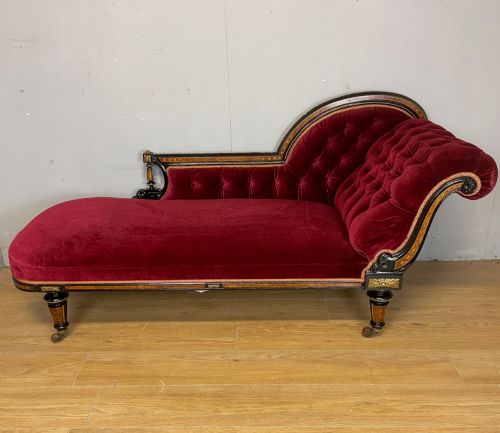
Makers constructed these daybeds primarily using walnut wood, sometimes applying ebonised finishes to the timber surfaces for a darker aesthetic. Structural integrity relied on solid wood framing combined with brass fittings and metal ormolu decoration.
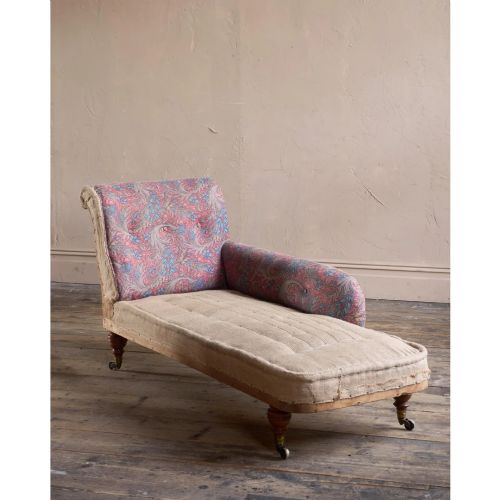
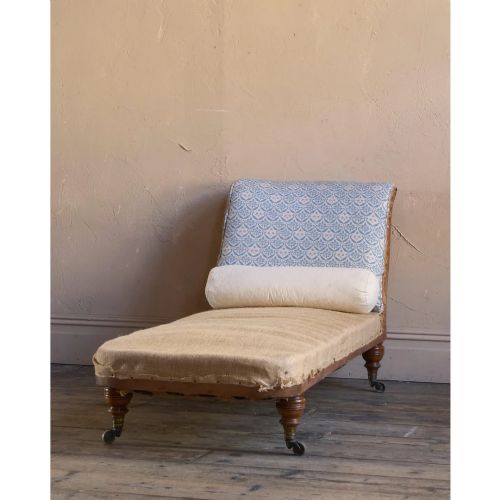
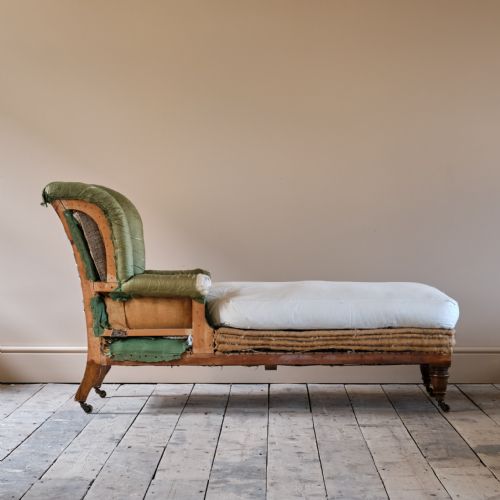
Upholstery formed an essential part of the construction, utilising fabrics such as velvet alongside internal hessian support layers. Artisans incorporated intricate inlaid walnut panels into the wooden framework to enhance the visual appeal.
Listings feature walnut, brass, fabric, hessian, velvet, and ormolu across nineteenth century and early twentieth century periods.
Distinctions in craftsmanship and finish
Quality differences emerge in the execution of the woodwork, from plain timber frames to pieces featuring elaborate ormolu decoration and inlaid walnut panels. Finer examples display superior carving and attention to detail in the wood grain.
The grade of upholstery materials also separates standard pieces from premier examples, with rich velvet coverings and robust hessian foundations indicating superior initial manufacture. Additionally, attribution to notable workshops elevates the standing of individual daybeds.
Howard and Sons·Holland and Sons
The Walnut Victorian Daybed Glossary
- Chaise longue
- A long upholstered chair shaped like a sofa combined with a chair, designed for reclining. This form represents the majority of daybeds found in nineteenth century inventories.
- Ormolu
- Gilded bronze applied as decorative mounts onto furniture frames. This technique adds metallic contrast against dark walnut timber.
- Ebonised wood
- Timber treated with a dark stain or finish to resemble ebony. It appears on nineteenth century frames alongside inlaid panels.
- Hessian
- A coarse woven fabric utilised as a traditional foundation layer beneath outer upholstery. It provides internal support within antique seating construction.
- Inlay
- Decorative material set into the surface of walnut frames to create patterns. This technique highlights the skill of the cabinetmaker.
Walnut Victorian Daybed: Frequently Asked Questions
What defines a walnut victorian daybed?
These daybeds are nineteenth century reclining seats built with walnut timber frames and upholstered surfaces. They combine the utility of a chair with the length of a sofa.
Surviving examples often feature carved wooden details, fabric coverings, and occasional brass or ormolu mounts. They reflect the diverse seating styles of the Victorian era.
How were these daybeds used originally?
Victorian households utilised daybeds in drawing rooms and boudoirs for daytime resting and relaxing without retiring to a bedroom. They provided comfortable lounging spaces for reading or receiving visitors.
In larger country houses, grander versions occupied prominent reception rooms as decorative statement furniture. Their dual function as seat and recliner made them versatile additions to period interiors.
How should I live with an antique daybed?
Integrating a daybed into a modern room involves placing it against a wall or allowing it to float in a spacious lounge area. Ensure the piece sits away from direct sunlight to protect the walnut timber and fabric upholstery.
Regular light dusting preserves the polished wood surface while careful handling of the upholstery maintains the antique fabric. These pieces function well as statement reading seats in traditional or eclectic settings.
How do I tell different periods apart?
Identifying periods relies on examining the timber treatment, upholstery style, and decorative motifs present on the frame. Regency and early Victorian pieces often display heavier proportions and simpler lines compared to later nineteenth century designs.
Edwardian or later nineteenth century examples may incorporate ebonised finishes or specific maker attributes. Comparing the woodwork and upholstery techniques helps clarify the approximate date of manufacture.