
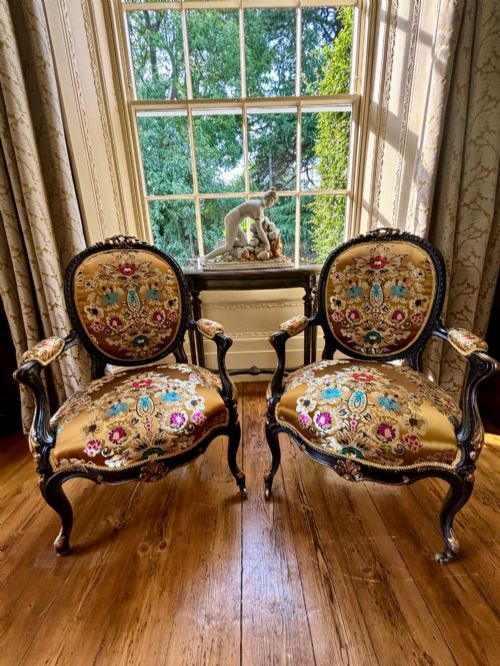


Walnut Silk Armchair
A walnut silk armchair brings together warm timber frames and lustrous textile upholstery, offering both substance and elegance to a room.
Walnut Silk Armchair
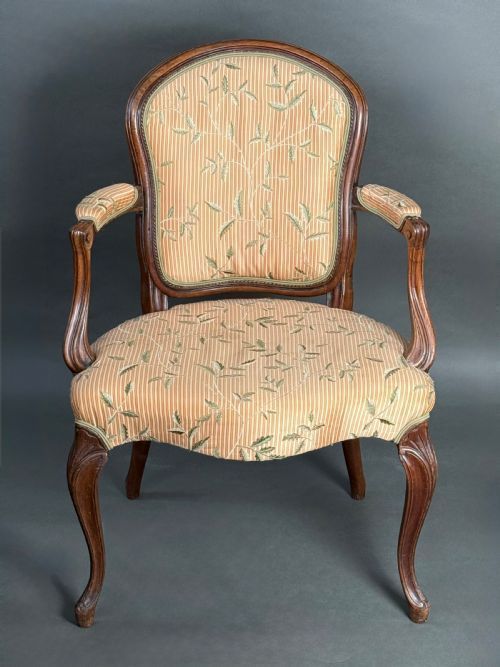
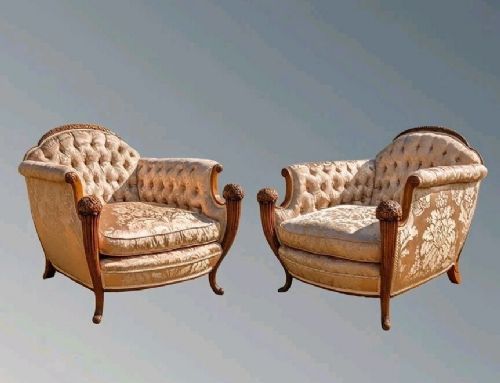
When you search for a walnut silk armchair, you find seating constructed from rich timber and upholstered in fabrics such as silk damask, silk brocade, or pure silk. These pieces range from seventeenth-century origins through eighteenth-century examples to nineteenth-century revivals.
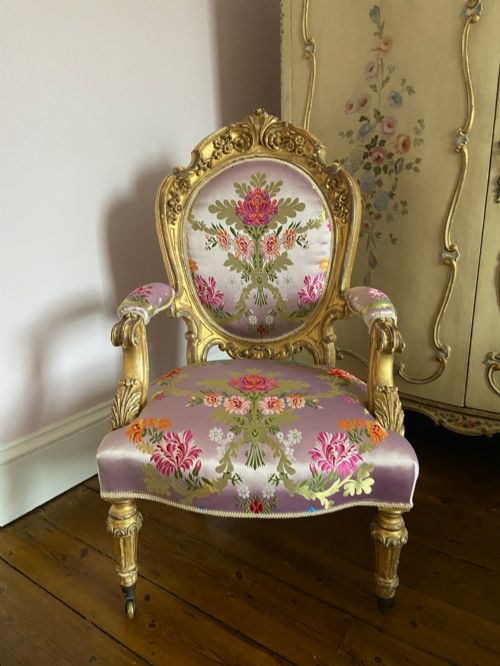
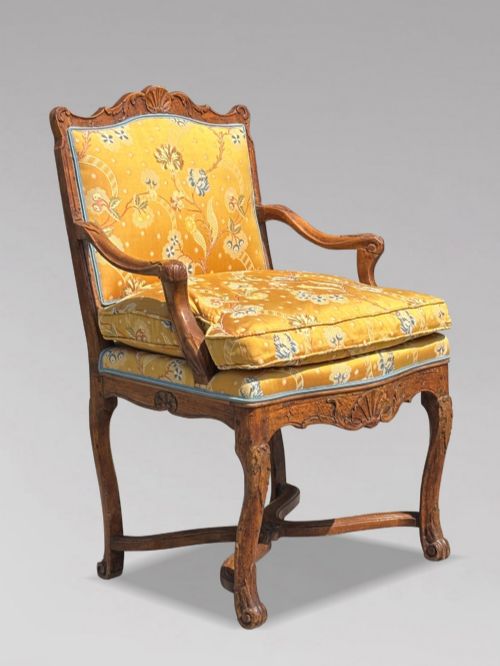
The most common versions on this page are French armchairs adhering to Louis XV style or Rococo Revival aesthetics. You also encounter Queen Anne design wing armchairs and English carved open armchairs.
Makers shaped walnut into open armchair frames, painted finishes, and giltwood accents. The resulting seats served formal salons, parlours, and bedrooms.
How they were made
Carvers shaped solid walnut frames, sometimes applying paint or giltwood to the timber surfaces. Secondary woods like beech also appear in certain regional styles.
Upholsterers secured silk fabrics, including damask and brocade, over padding supported by internal framing. Metal and brass elements occasionally reinforced the construction.
Materials recorded across the inventory include solid walnut, beech, paint, giltwood, brass, and woven silks.
What varies in quality
Depth and precision of timber carving distinguish different tiers of production, moving from simple turned lines to elaborate floral motifs and giltwood enrichment. The crispness of the walnut grain and the handling of curved arm supports reveal the maker's hand.
The choice of textile elevates the piece, with heavy silk damask and brocade sitting above standard upholstery. Integration between the timber frame and the tailored silk cover defines the overall success of the design.
The Walnut Silk Armchair Glossary
- Walnut
- A dense, dark hardwood prized for furniture framing. It takes fine carving and develops a deep patina over the centuries.
- Silk damask
- A reversible patterned fabric woven on a jacquard loom. The design shows through contrasting warp and weft satin faces.
- Open armchair
- A seat without upholstered side panels, exposing the structural wooden arms. These designs emphasise the carved walnut frame.
Walnut Silk Armchair: Frequently Asked Questions
How do I date a walnut silk armchair?
Look to the overall style cues, such as cabriole legs for Louis XV revival pieces or wing frameworks for Queen Anne designs. Timber treatment and construction methods further anchor the piece to periods like the eighteenth or nineteenth century.
Compare the carving depth and textile choices against documented examples from specific decades. The presence of painted finishes or giltwood also helps narrow down the timeframe.
Where should I place an armchair?
These chairs suit formal reception rooms, quiet reading corners, or period-styled bedrooms. Their decorative timber frames and textile covers function well as focal points.
Keep them away from direct sunlight to protect the delicate silk upholstery from fading. Positioning them out of heavy traffic paths preserves the open arms and carved walnut.
Are these chairs comfortable for daily use?
Most historic armchairs offer an upright seat intended for formal conversation rather than lounging. The internal padding relies on period stuffing techniques rather than modern foam.
Use them for reading or as occasional seating rather than primary daily lounging. Adding a supportive lumbar cushion can improve comfort without altering the period appearance.