



Walnut Pier Glass Mirrors
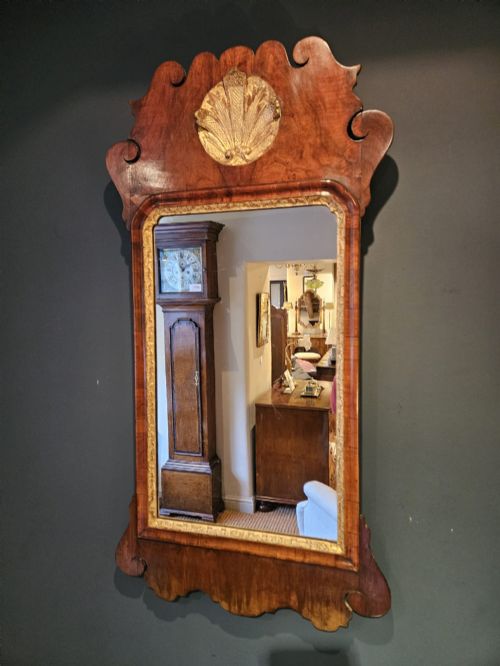
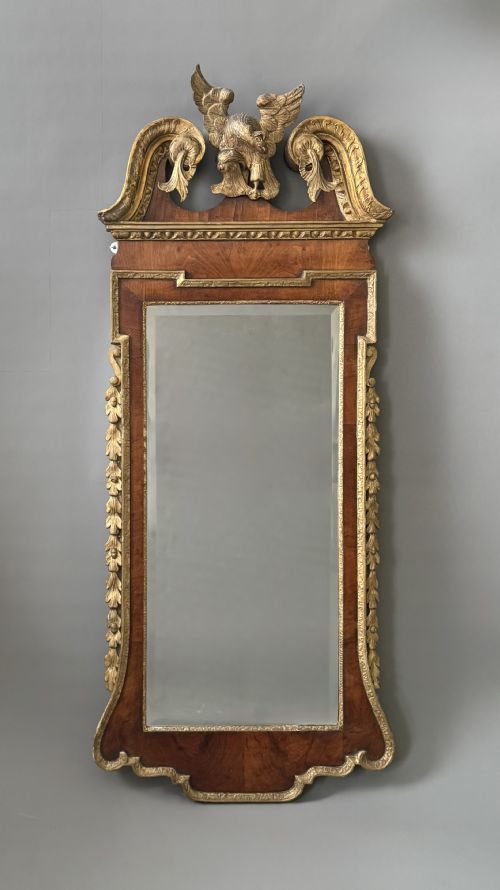
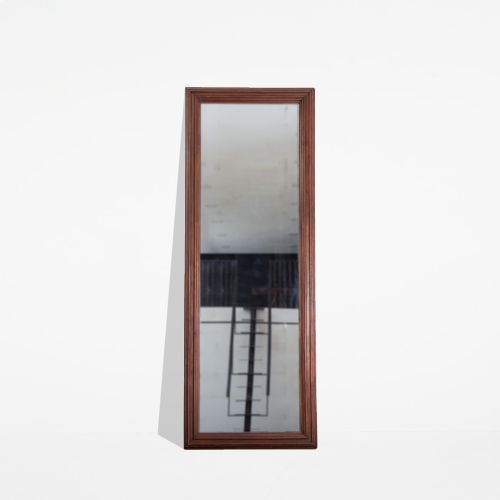
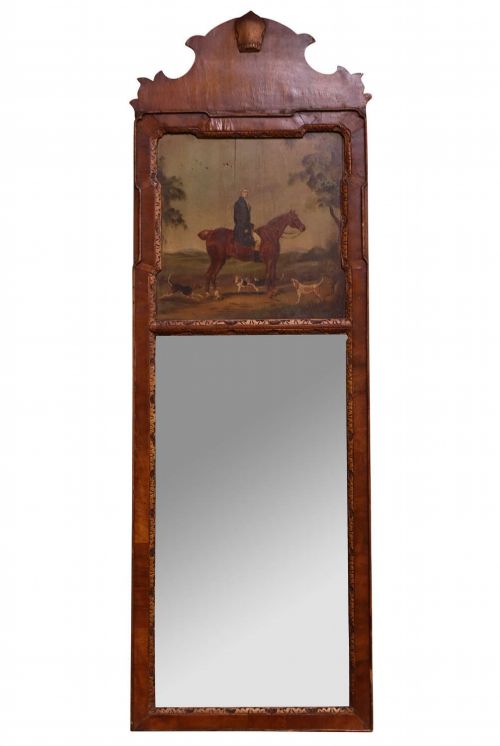
These walnut pier glass mirrors bring architectural rhythm to tall wall spaces between windows, combining warm timber tones with bright reflective glass.
Walnut Pier Glass Mirrors
Walnut pier glass mirrors are tall, vertical looking glasses traditionally designed to hang on the narrow wall space, or pier, between two windows. Buyers searching for these pieces encounter examples ranging from early eighteenth-century origins to later revival styles.
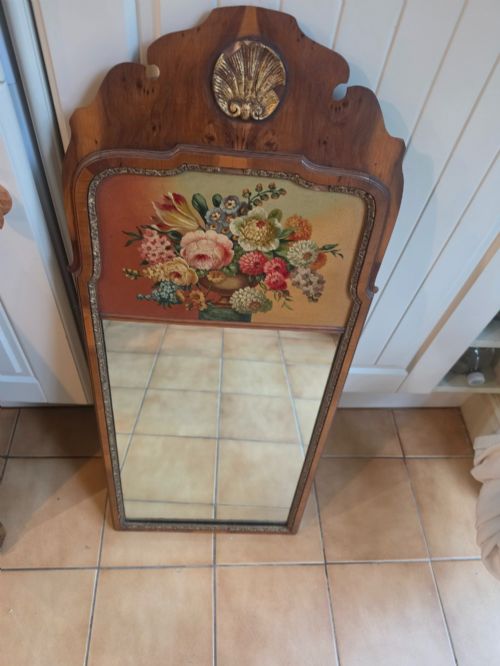
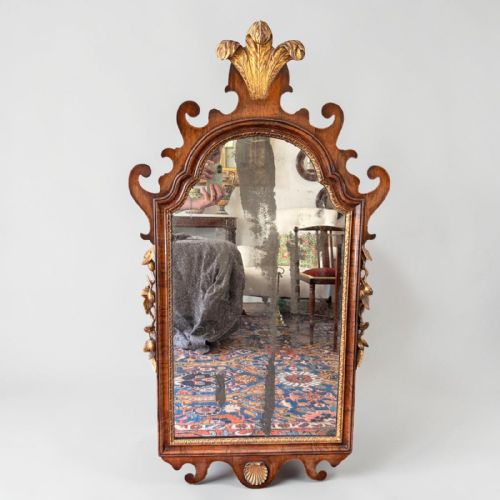
The selection includes authentic period items alongside later interpretations, taking forms such as hanging wall mirrors, console tables with matching mirrors, and tall cheval glasses. Many incorporate parcel-gilt details, painted panels, or even integrated oil paintings within the wooden frame.
Materials and construction
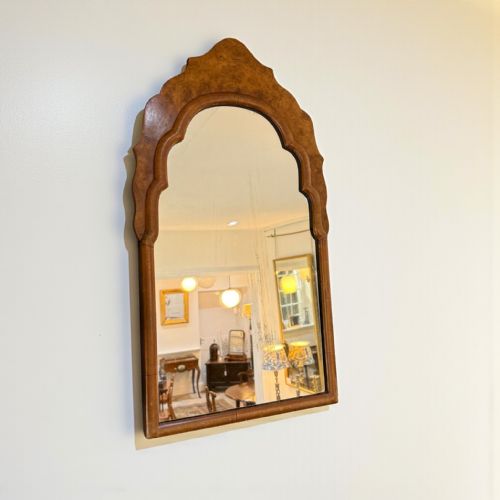
Cabinetmakers constructed these frames using solid walnut and highly figured burr walnut veneers applied to supportive pine or oak carcases. Timber selection determined the visual movement across the grain, often enhanced by meticulous hand-carving.
Giltwood and parcel-gilt accents were frequently introduced to highlight carved mouldings, foliage, and architectural motifs. Early examples commonly feature original silvered mirror glass plates secured within rebate frames.
Walnut Pier Glass Mirrors Retail Price Guide 2026
Typical asking prices for walnut pier glass mirrors among the pieces listed under this phrase on Sellingantiques today, from the lower quarter to the upper quarter. They describe what is for sale here now, not the wider market.
Materials recorded across the selection include solid walnut, burr walnut, giltwood, oil paint, and marble.
Factors of distinction
Quality rests upon the depth and crispness of the hand-carving and the choice of veneer. Superior pieces display lively burr walnut figures that wrap harmoniously around the frame without awkward joints.
The presence of original mirror plates with characteristic age-related foxing elevates a piece significantly. Construction integrity, such as original backboards and untouched gilding, separates master workshop production from standard commercial output.
The Walnut Pier Glass Mirrors Glossary
- Pier glass
- A tall mirror specifically designed to hang on the wall space between windows. These vertical glasses maximised natural light within formal reception rooms.
- Parcel-gilt
- Partially gilded woodwork where gold leaf highlights specific carved details against a walnut background. This technique created contrast and caught candlelight.
- Burr walnut
- Timber taken from the gnarled outgrowth of a walnut tree, yielding complex, swirling grain patterns. Cabinetmakers prized this veneer for high-status furniture fronts and mirror frames.
- Vauxhall mirror
- An early type of mirror plate featuring a distinctive bevelled edge, historically produced at the famous London glasshouse. These plates display subtle distortions characteristic of early manufacturing.
- Fretwork
- Thin wood cut into decorative geometric or scroll patterns using a fretsaw. Eighteenth-century makers used this technique for lightweight, intricate frame silhouettes.
Walnut Pier Glass Mirrors: Frequently Asked Questions
Where should I hang a pier mirror?
These mirrors suit narrow wall spaces between tall windows, above console tables, or in hallways where vertical height needs emphasis.
Their elongated proportions draw the eye upward and bounce natural light deep into the room.
How do I spot a later revival mirror?
Revival pieces often display machine-cut timber, modern mirror plates without oxidation, and standardised carving rather than hand-chiselled depth.
Examining the backboards, fixings, and timber shrinkage helps differentiate eighteenth-century originals from nineteenth-century copies.
Did these mirrors always have consoles?
While many pier glasses hung independently above tables, some were designed as integrated console tables and mirror sets.
Matching pairs and console combinations usually served formal nineteenth-century drawing rooms.
What maintenance do antique glass plates need?
Original mirror glass requires gentle dusting with a dry microfiber cloth and absolute avoidance of modern chemical sprays.
Preserving the silvering means protecting the reverse side from moisture and humidity.