

Walnut Pedestal Tilt Table
A walnut pedestal tilt table offers a pivoting top supported by a central pillar, combining practical space-saving utility with rich timber figure.
Walnut Pedestal Tilt Table
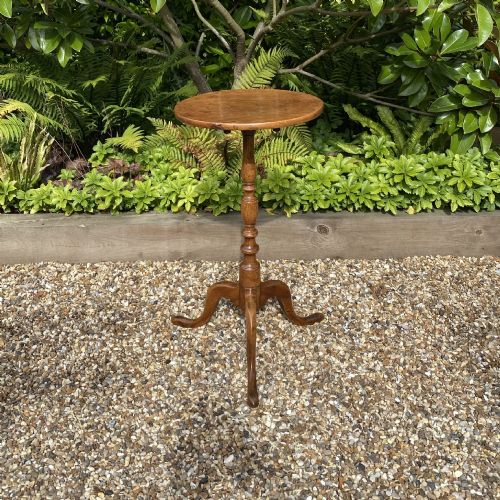
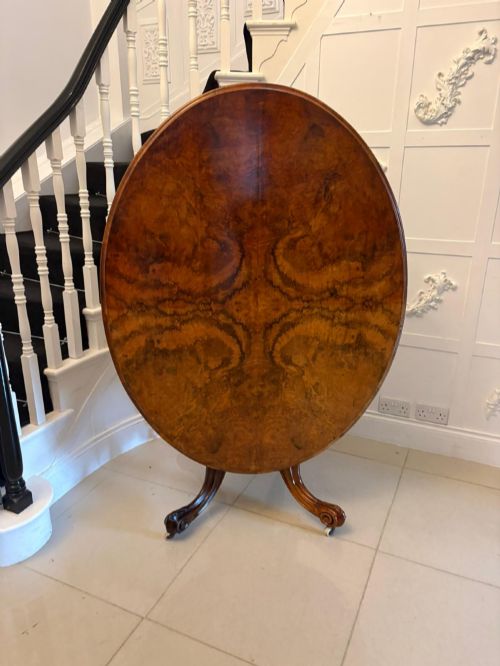
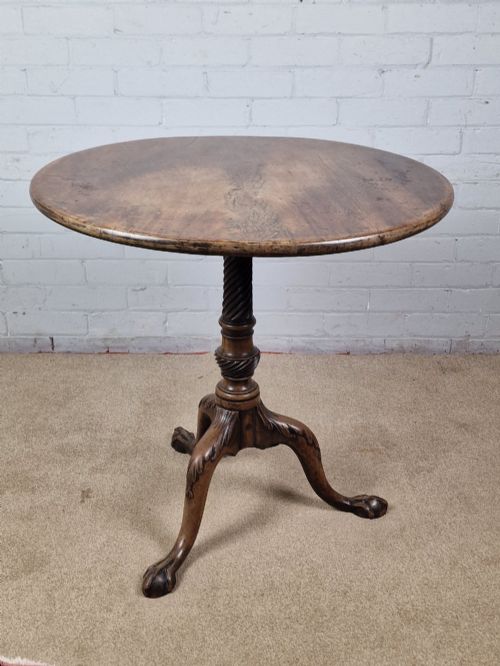
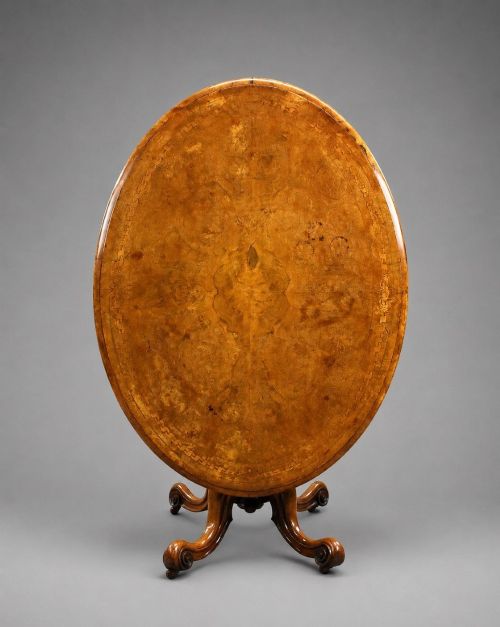
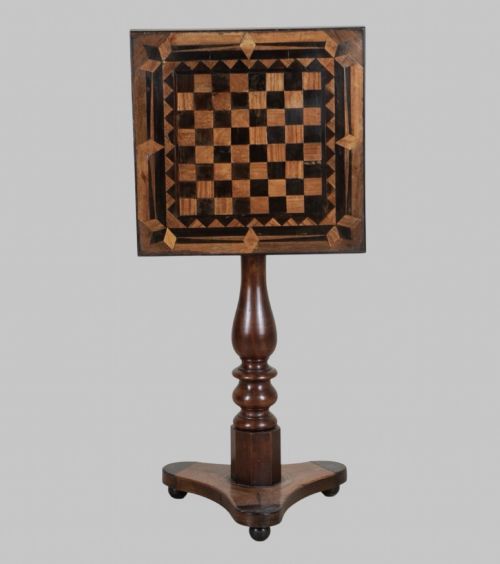
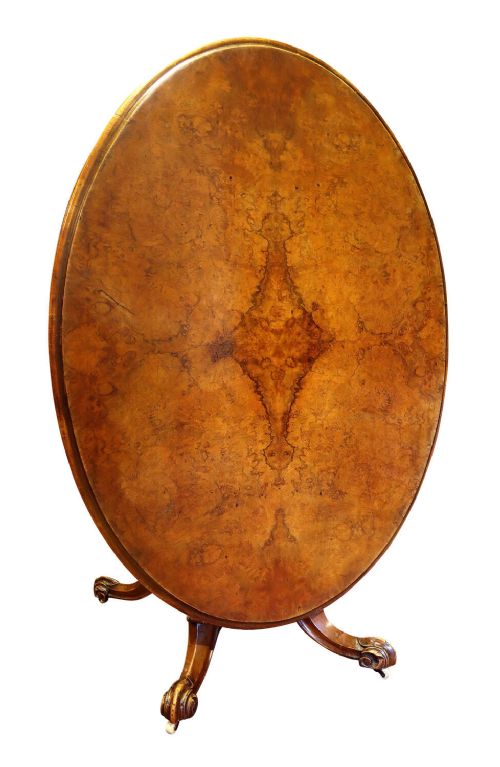
A walnut pedestal tilt table is a versatile surface supported on a central column, designed to pivot vertically when not in use. You will most frequently encounter Victorian examples in burr walnut alongside earlier 18th-century George II pieces and mid-19th-century breakfast or loo tables.
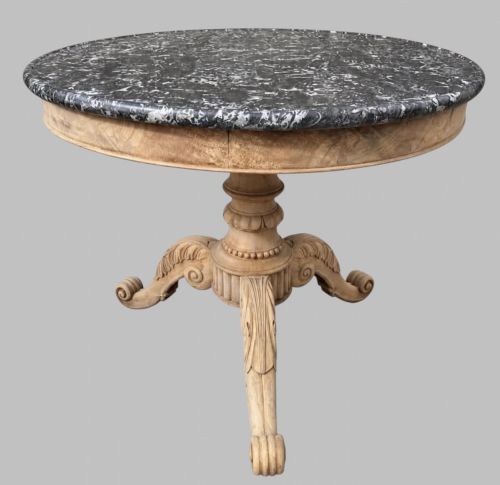
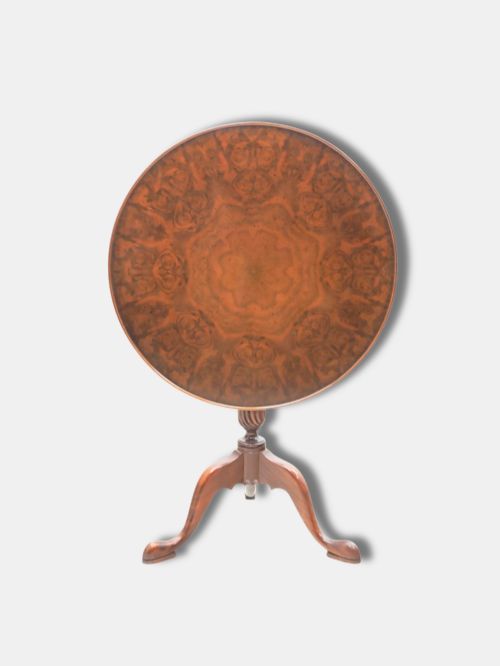
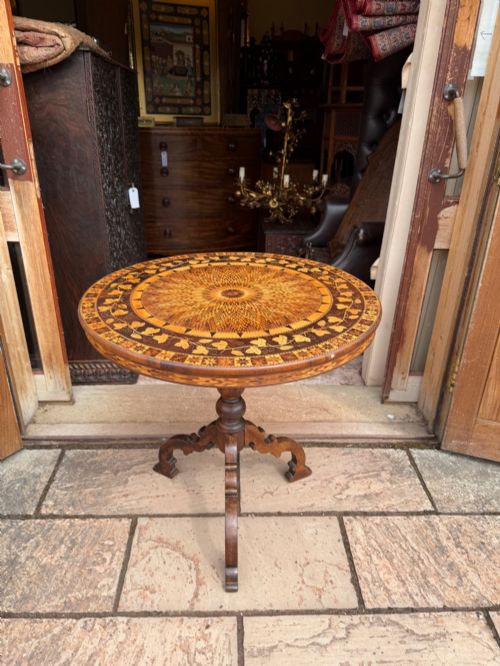
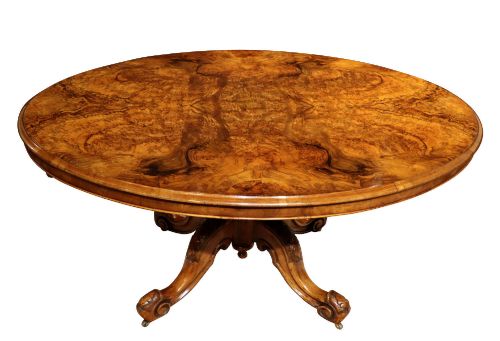
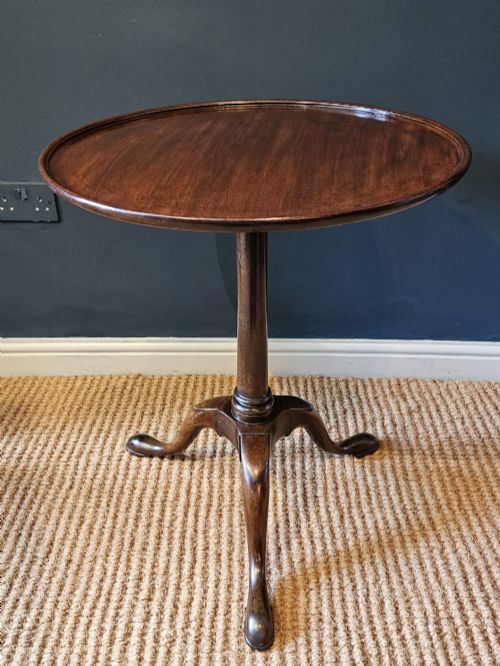
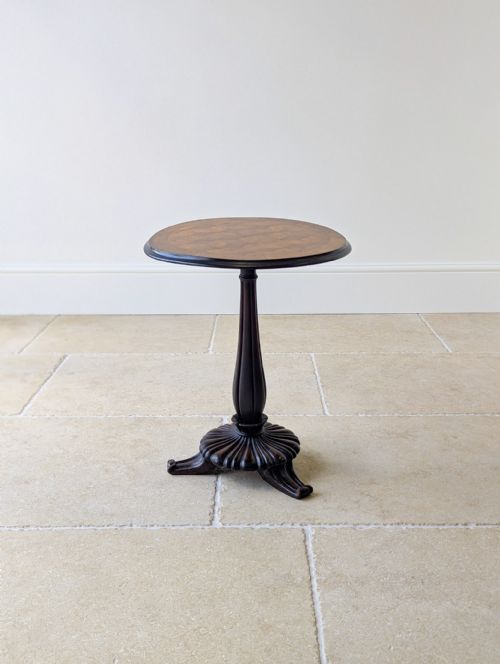
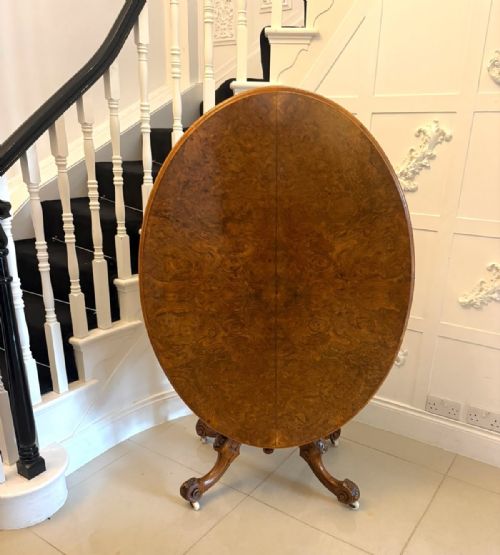
The selection ranges from compact tripod wine tables and occasional pieces to large six-seater oval dining tables resting on carved quadrapod bases. Styles span from Georgian and William IV through to French Restoration and Italian Sorrento inlays.
Makers utilised various secondary timbers alongside primary walnut and mahogany, producing forms that functioned equally well as lamp tables, tea tables or central decorative pieces in a room.
Materials and Construction
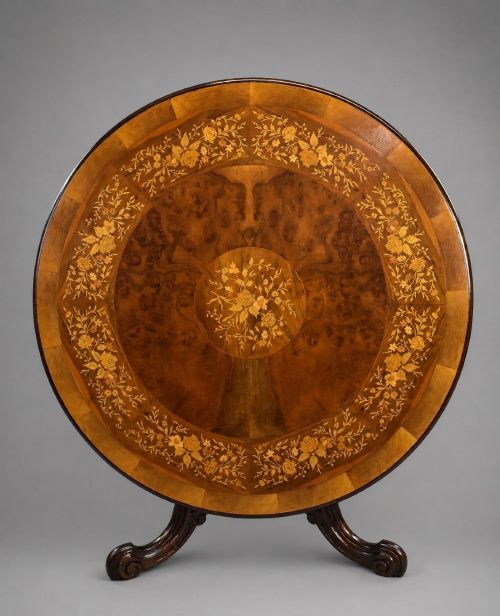
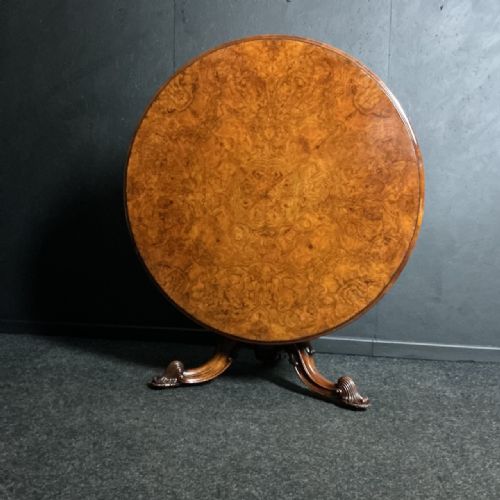
Cabinet makers selected walnut and highly figured burr walnut for its striking grain patterns, frequently embellishing surfaces with marquetry inlay, boxwood inlay and brass mounts. Tops were constructed to pivot via a tilt mechanism attached to a robust pedestal base.
Base configurations vary from slender tripod legs to heavy carved quadrapod supports, providing stability to the pivoting top. Marquetry and wood inlays were carefully fitted into the primary timber surface to create geometric or floral motifs.
The archive and current listings demonstrate a wide variety of base supports, ranging from delicate three-legged tripod frames to heavy carved quadrapod structures.
Judging Quality
Quality rests heavily on the choice and figure of the walnut veneer, with rich burr patterns and intricate marquetry inlay elevating a piece significantly above plain timber surfaces. The crispness of the carved detail on the pedestal base and legs also indicates the skill of the original workshop.
Mechanical integrity matters greatly in a tilt table; the pivoting mechanism and locking catch should operate smoothly without excessive play in the central column. Proportions between the top and the pedestal determine the visual balance and overall elegance of the table.
Holmes Baldock
The Walnut Pedestal Tilt Table Glossary
- Burr walnut
- A prized timber harvested from tree growths, yielding highly swirled and mottled grain patterns. It was extensively utilised by Victorian cabinet makers for decorative table tops.
- Tilt top
- A hinged table top mechanism allowing the surface to rotate vertically for storage against a wall. This ingenious design saved valuable floor space in period rooms.
- Tripod base
- A pedestal support terminating in three individual feet or legs. This formation ensures stability on uneven floors.
- Marquetry
- Decorative patterns created by fitting thin pieces of wood veneer and other materials into a primary surface. Italian Sorrento pieces frequently showcase this intricate technique.
- Loo table
- A large Victorian card and social table designed for a nineteenth-century game. They almost invariably feature a tilt-top mechanism on a heavy pedestal.
Walnut Pedestal Tilt Table: Frequently Asked Questions
What is a tilt top table used for?
These tables served multiple domestic purposes, functioning as dining surfaces, tea tables, or lamp stands depending on their diameter and height. The pivoting mechanism allowed the top to fold flat when pushed against a wall, clearing floor space.
Today, they make ideal accent pieces in a sitting room or hallway, providing a sturdy surface for lamps, books, or decorative objects while retaining their historical character.
How do I date a walnut pedestal tilt table?
Dating relies on observing the combination of timber, base style, and construction methods. Georgian examples often display simple red walnut or mahogany tripod bases with snap-top catches, whereas Victorian pieces frequently feature elaborate burr walnut veneers, marquetry inlay, and heavy carved quadrapod pedestals.
Examining the underside of the top and the interior of the pedestal mount reveals how the timber was seasoned and joined during its respective period.
Are these tables suitable for everyday dining?
Larger examples, such as Victorian breakfast and loo tables, were originally built to accommodate multiple diners and remain robust enough for regular use. Smaller tripod and wine tables are better suited as occasional or lamp tables rather than heavy dining surfaces.
Care should be taken to protect the polished walnut surface from heat and moisture using appropriate coasters and placemats.
What is the difference between a loo table and a breakfast table?
While both terms frequently describe large Victorian tilt-top tables, a loo table specifically references a nineteenth-century card game called loo. These tables typically feature spacious oval or circular tops supported by carved central pillars.
Breakfast tables share similar dimensions and pedestal constructions but were primarily designed for morning dining and domestic family life.