



Walnut Pedestal Accent Table
A walnut pedestal accent table brings warm timber grain and compact proportion to a room, offering a stable surface for lamps and drinks.
Walnut Pedestal Accent Table
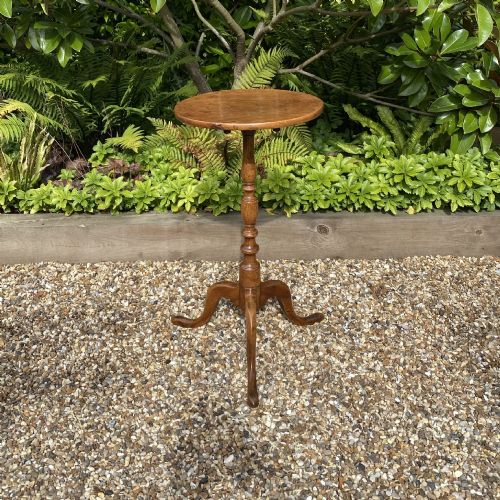
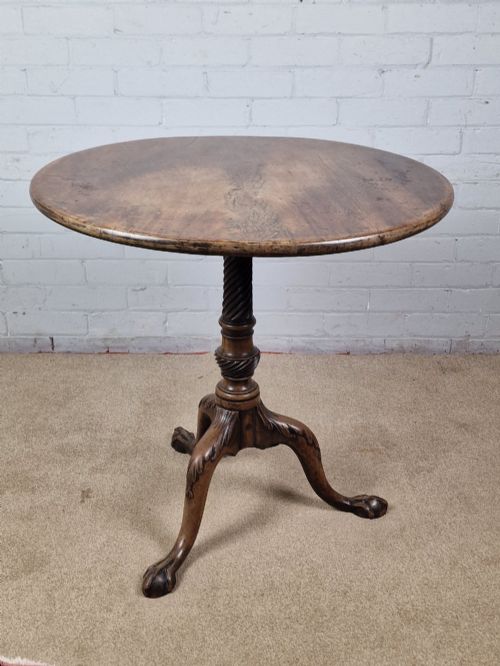
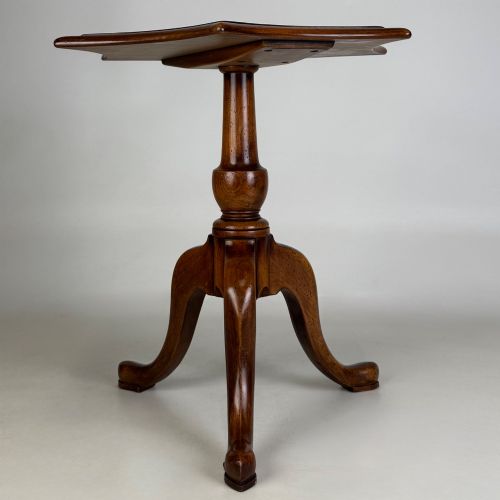
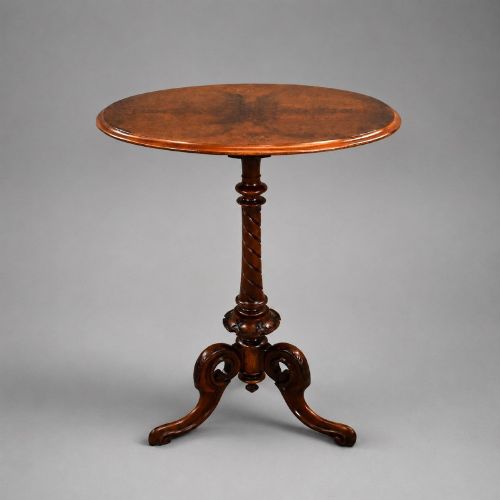
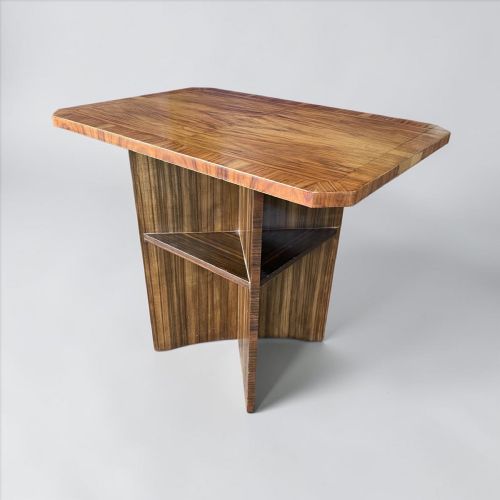
A walnut pedestal accent table is a versatile surface supported by a central column or tripod base rather than traditional four-legged corners. When you search for a walnut pedestal accent table, you encounter a variety of nineteenth-century and twentieth-century forms including wine tables, tilt-top tables, lamp tables, and occasional tables. Victorian and Edwardian examples appear frequently alongside George II, Art Deco, and interwar pieces.
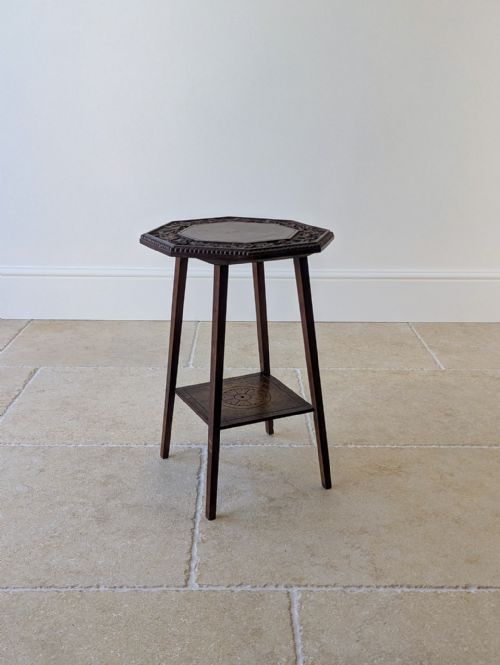
These tables function primarily as movable surfaces for lamps, plants, and decorative objects. The forms range from small circular wine tables to larger octagonal and oval centre tables, often designed with tilting tops or pivoting mechanisms for convenient storage when not in use.
Origins span English workshops, Irish cabinet makers, Italian marquetry specialists, and French ateliers. The persistent element across these regional styles is the use of rich walnut timbers raised on a single central support.
Materials and construction methods
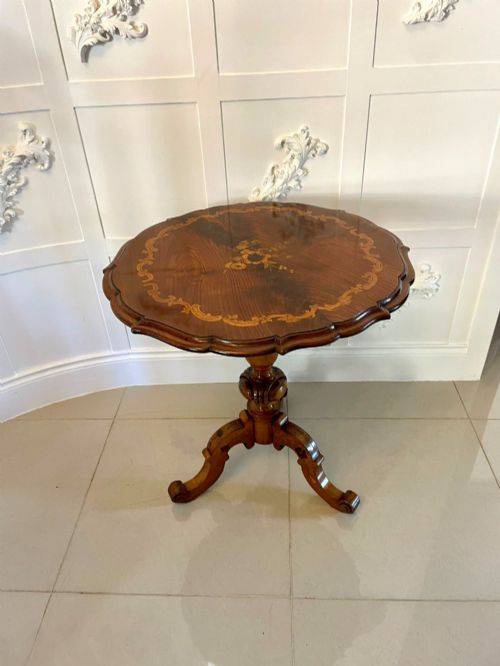
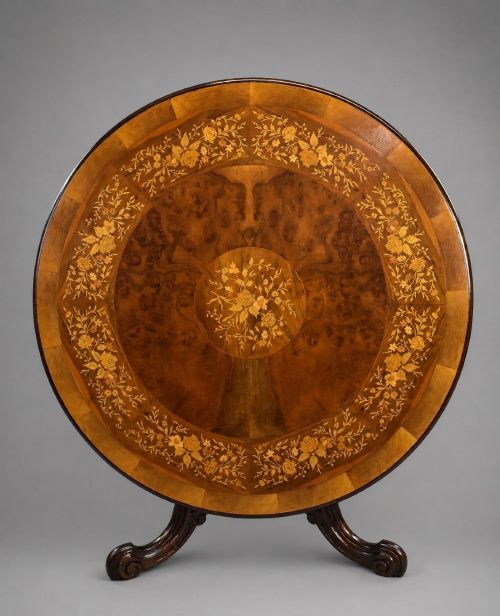
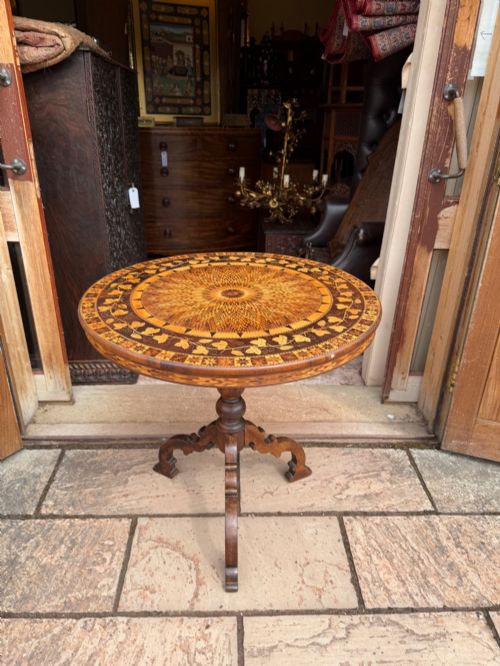
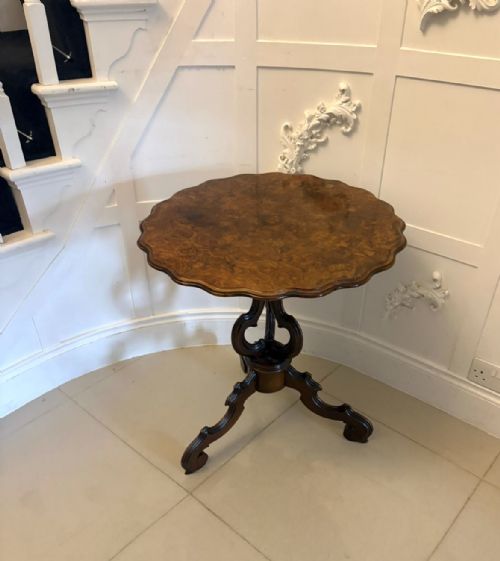
Cabinet makers utilised solid walnut and figured walnut veneer, applying them over secondary woods such as mahogany or fruitwood to create striking grain patterns on the table tops. Marquetry, parquetry, and boxwood inlay frequently ornament the surfaces, alongside decorative elements like brass mounts and gilt bronze.
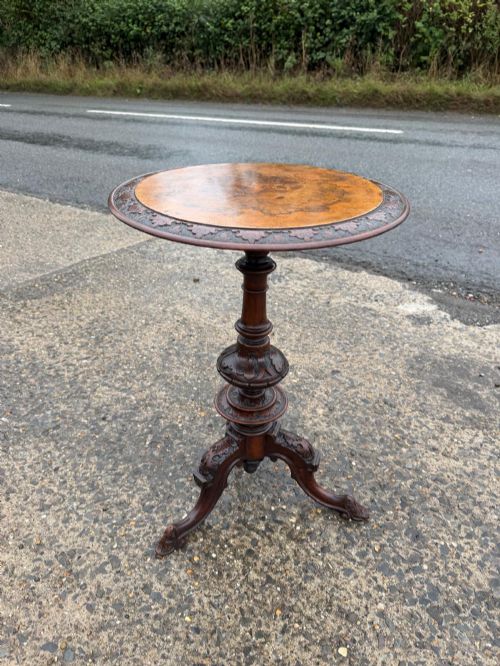
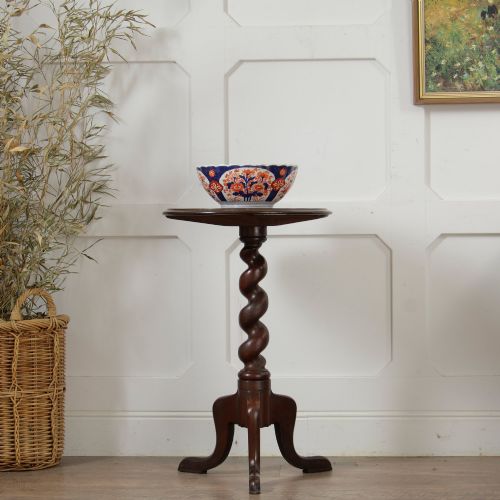
The central pedestal typically terminates in a tripod or multi-footed base, sometimes featuring carved details, barley twist columns, or tripod legs. Tops are secured to pedestals with tilt mechanisms or fixed blocks, while specific regional pieces incorporate marble, onyx, or specimen wood mosaics.
Listings span multiple eras from the eighteenth century through the Art Deco period, incorporating materials like boxwood inlay, olive wood, and marble.
Distinctions in quality
Quality rests upon the selection of the timber and the precision of the joinery connecting the central pillar to the top and base. Figured burr walnut veneers and intricate marquetry inlay demonstrate superior craftsmanship compared to plain or unadorned surfaces.
The stability of the pedestal and the fluid movement of tilt tops or swivel hinges differentiate finer examples. Well-executed carving, harmonious proportions, and intact original mounts indicate a higher standard of workshop production.
The Walnut Pedestal Accent Table Glossary
- Tilt top table
- A table featuring a hinged mechanism that allows the surface to fold vertical when not in use.
- Marquetry
- The art of applying decorative pieces of veneer to a structure to form intricate geometric or pictorial designs.
- Tripod base
- A three-legged support system commonly found beneath the central pedestal of small occasional tables.
- Wine table
- A small, portable pedestal table historically used for holding glasses and bottles during evening gatherings.
Walnut Pedestal Accent Table: Frequently Asked Questions
Where should I place a pedestal table?
These tables fit easily beside armchairs, sofas, or in empty corners where a full-sized table takes up too much floor space. Their compact footprint makes them suitable for holding reading lamps or small decorative items.
Because they rest on a central pedestal rather than four legs, they slide close to seating furniture without leg obstruction getting in the way.
What is a tilt top used for?
The tilting mechanism allowed historic owners to fold the table top flat and store the piece against a wall when floor space was needed for other activities. Today, this feature remains a clever mechanical detail that showcases the grain of the wood when viewed upright.
When locked in the horizontal position, the top functions as a standard stable surface for daily use.
How do I care for walnut veneer?
Walnut veneer benefits from regular dusting with a soft, dry cloth and protection from direct sunlight to prevent the timber from fading over time. Avoiding excessive moisture and heat helps preserve the integrity of the underlying glue and wood.
Periodic application of a suitable wax polish maintains the natural sheen of the historic finish without building up heavy residue.
How do I date a pedestal table?
Dating relies on examining the construction methods, the style of the pedestal turning, and the characteristics of the wood veneers. Victorian examples often feature burr walnut and heavy carved tripod bases, whereas Art Deco pieces show geometric simplicity.
Matching the secondary woods beneath the top and observing the wear patterns on the base provides further clues to the period of manufacture.