



Walnut Mother of Pearl
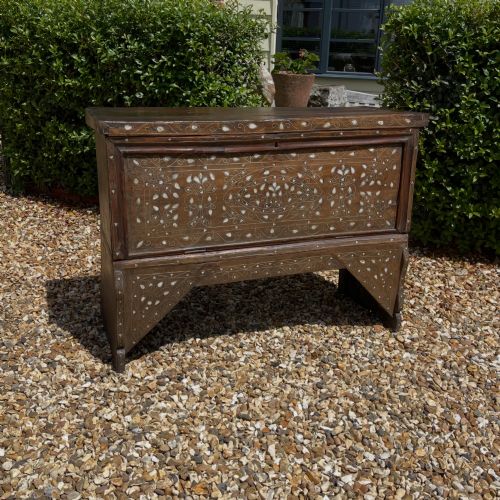
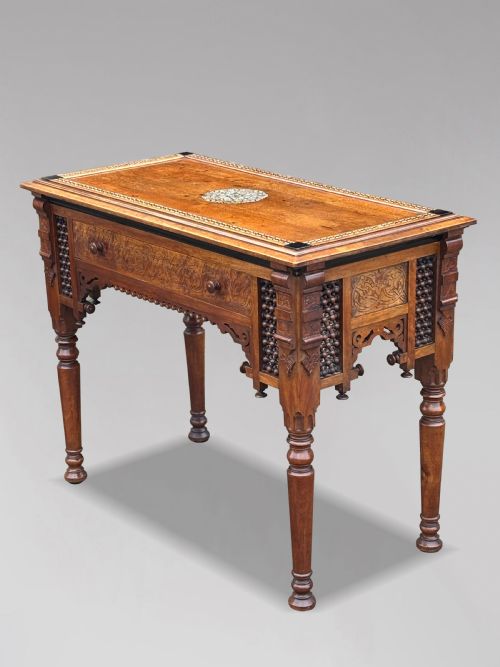
Walnut mother of pearl pieces combine rich timber foundations with luminous shell inlay, spanning Victorian boxes to intricate Syrian tables.
Walnut Mother of Pearl
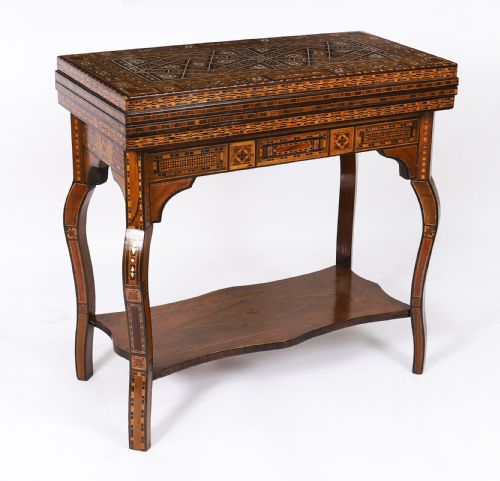
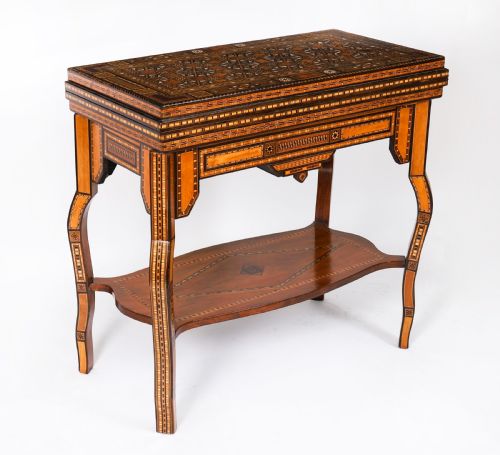
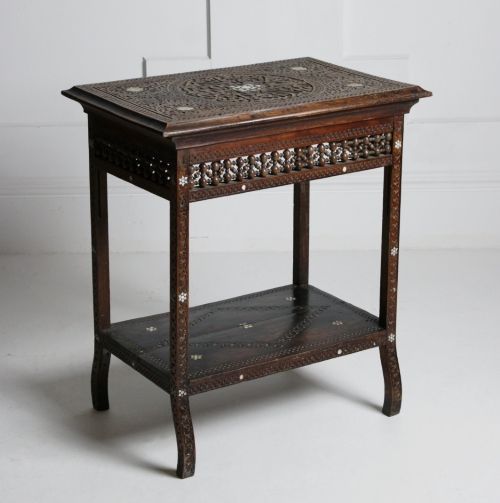
When buyers search for walnut mother of pearl, they encounter a diverse range of furnishings and small decorative objects from the nineteenth century onward. These items showcase dark, figured woods embellished with iridescent marine shell.
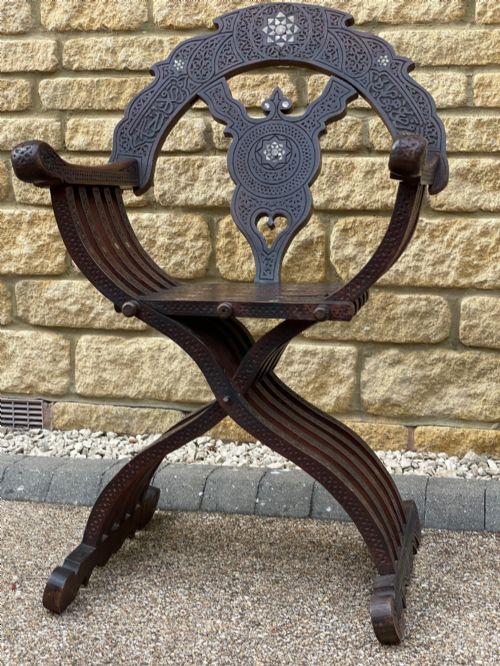
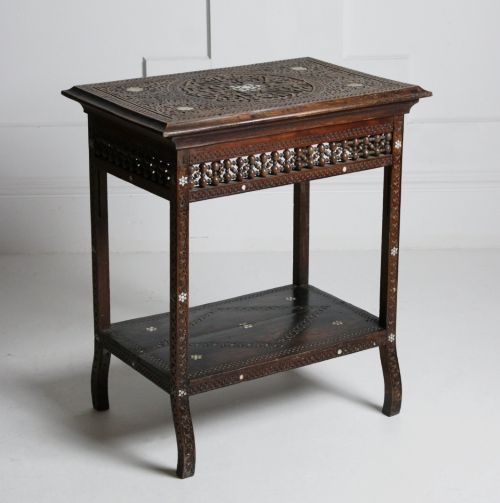
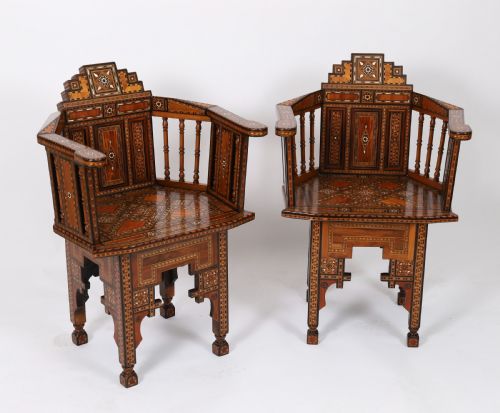
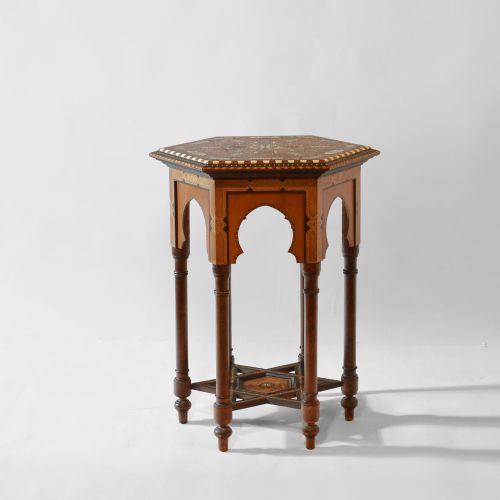
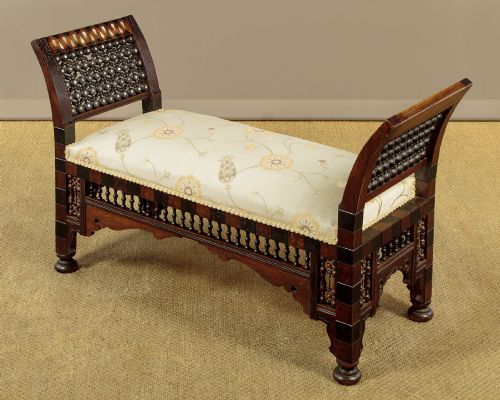
The selection on this page centres heavily on Syrian, Levantine and Moorish forms alongside Victorian English and European boxes. Tables, armchairs, games boards and tea caddies dominate the available inventory.
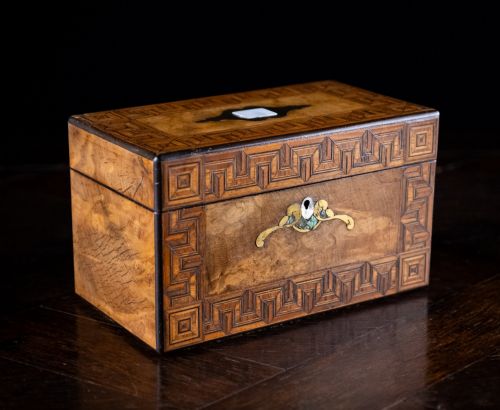
Geometric parquetry and intricate star patterns define the Middle Eastern seating and occasional tables. Meanwhile, European iterations lean towards burr walnut writing boxes, jewellery cases and side cabinets.
How walnut mother of pearl pieces were made
Craftsmen built the structural carcases using solid walnut, burr walnut, fruitwood or rosewood, often applying geometric parquetry and marquetry veneers. They cut slender channels into the timber surfaces to receive precisely shaped pieces of nacre shell.
Workers then secured the mother of pearl alongside contrasting materials like bone, brass wire and glass. Artisans smoothed the shell and wood together until the inlay sat flush with the polished timber ground.
Listings feature walnut combined with mother-of-pearl across periods spanning from the eighteenth century to the 1930s.
What varies in quality
The precision of the parquetry and the intricacy of the shell work separate finer examples from standard production. Tightly fitted geometric tiles and complete nacre elements indicate superior craftsmanship compared to sparse or clumsy replacement inlays.
Timber selection and the depth of the carved detailing also dictate overall standard. Richly figured burr walnut grounds and deeply carved structural frames elevate the visual weight of individual items.
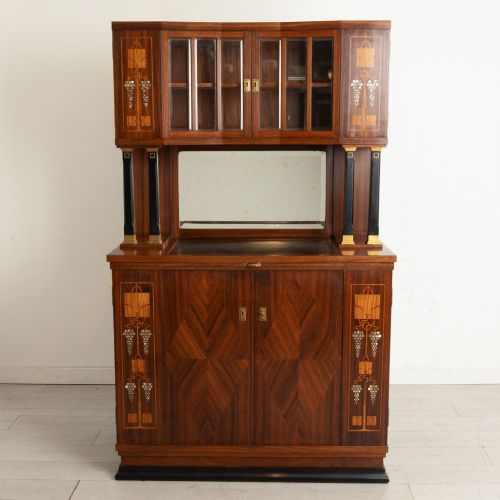
August Ungethüm
The Walnut Mother of Pearl Glossary
- Parquetry
- Geometric mosaic woodwork formed by small fitted veneers. Artisans arrange triangular and polygonal wooden tiles to create repeating decorative motifs across table tops and boxes.
- Marquetry
- Pictorial veneer work using various timber species to form decorative scenes or scrollwork. Craftsmen cut thin sheets of wood together to fit puzzle-like designs into a background panel.
- Nacre
- The iridescent internal layer of mollusc shells used for inlay. This organic material reflects light with shimmering pink and green tones.
- Tunbridge Ware
- Small decorative wooden objects decorated with tiny mosaic tesserae. Makers in Kent assembled thousands of coloured wood blocks to picture buildings and geometric borders.
- Savonarola
- An X-framed folding armchair formed from multiple intersecting curved wooden slats. This Renaissance form experienced revivals during the nineteenth century in Syrian and European workshops.
Walnut Mother of Pearl: Frequently Asked Questions
How do I clean walnut mother of pearl furniture?
Dust surfaces regularly with a soft, dry cloth to prevent grit accumulation in the intricate joints. Avoid harsh chemical cleaners that can damage the shell or strip the historic polish from the walnut.
Apply a microcrystalline wax sparingly when the timber appears dry, buffing gently to maintain the natural sheen. Keep shell-inlaid items away from direct heat sources and strong sunlight to prevent warping and lifting.
Were these items made in Europe or the Middle East?
The inventory includes both European and Middle Eastern pieces from the nineteenth and early twentieth centuries. Syrian and Levantine workshops produced distinctive hexagonal tables, trunks and folding chairs using regional parquetry techniques.
At the same time, English, French and Austrian makers utilised walnut and mother of pearl for writing boxes, cabinets and parlour seating. stylistic influences frequently crossed borders during the nineteenth-century revival periods.
What is the difference between a tea caddy and a work box?
Tea caddies feature internal compartments designed specifically for storing dry tea leaves securely. They often include fitted glass mixing bowls and foil-lined lids to preserve the aroma.
Work boxes, or sewing boxes, contain shallow trays, pin cushions and small implements for needlework. Their interiors focus on organising threads, thimbles and bobbins rather than provisions.
How do I date an inlaid walnut box?
Examine the construction methods of the interior compartments and the paper linings used inside. Dovetailed joints and hand-cut screws generally point towards nineteenth-century production before mass manufacturing took over.
Hardware such as brass locks, key escutcheons and hinges also offer chronological clues. Styles shifted from geometric Tunbridge designs to bolder Victorian brass-and-shell cartouches as the decades progressed.