





Carved Walnut Wall Brackets
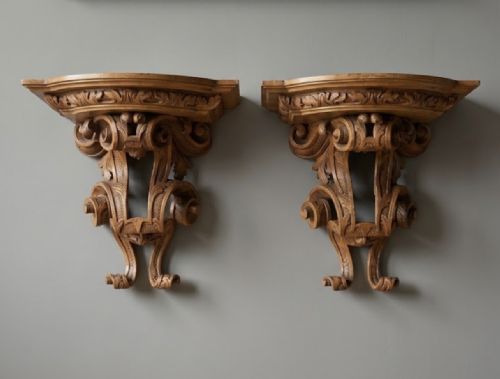
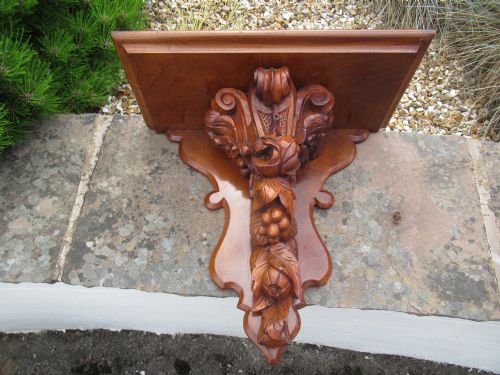
Carved walnut wall brackets bring architectural depth and rich timber warmth to an interior, combining sculptural relief with functional display.
Carved Walnut Wall Brackets
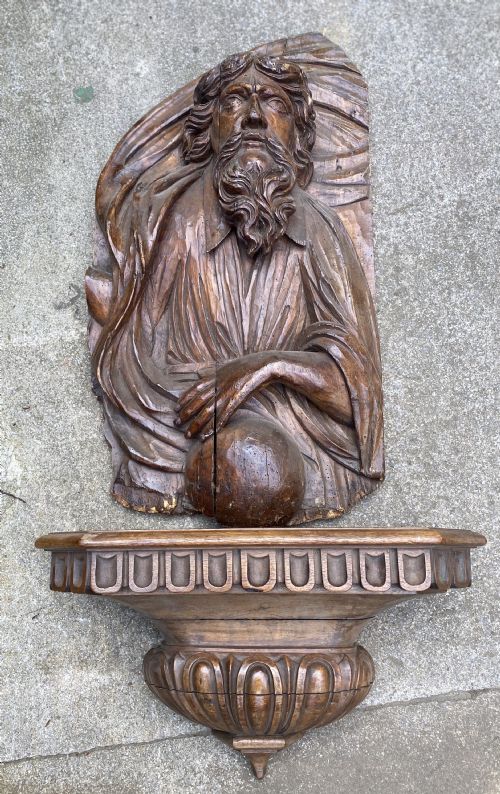
Carved walnut wall brackets encompass architectural supports, decorative ledges, and figural consoles designed to mount directly onto a vertical surface. When exploring carved walnut wall brackets, you encounter diverse regional interpretations ranging from Victorian Italianate designs to Syrian Ottoman mother-of-pearl inlaid examples.
The selections span multiple centuries, touching upon the seventeenth century through to the late nineteenth century. Many pieces adopt revival styles, including George I period revival and Baroque style carving, showcasing deep relief work in solid timber.
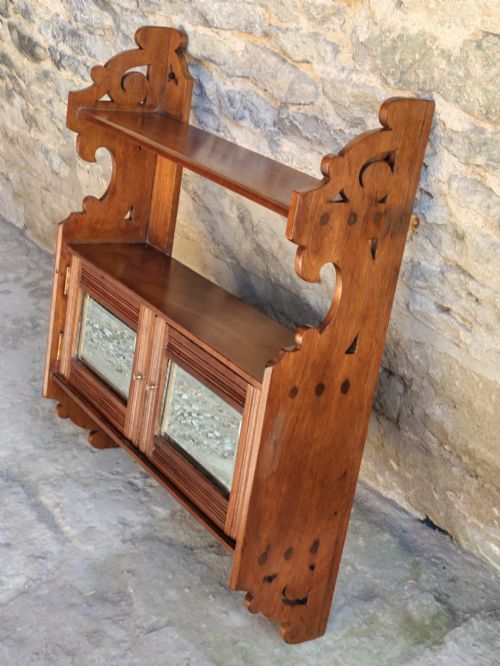
While the search term highlights wall brackets, the surviving record also includes related architectural forms such as corbels, console tables, and hanging cabinets executed in the same dense wood. These items serve both structural and decorative roles, often supporting clocks, mirrors, or sculptural figures.
Materials and Construction
The primary material is walnut, occasionally noted as red walnut, selected for its dense grain and stability under intricate chisel work. Craftsmen utilised this timber to achieve sharp undercut details and smooth surfaces that respond well to carving.
Surface ornamentation extends beyond plain timber through the application of parcel-gilt highlights, paint, or delicate inlay materials like mother-of-pearl. Certain regional pieces integrate brass fittings or glass components to complement the primary carved wooden structure.
Construction relies on traditional joinery and solid timber blocks capable of bearing weight when mounted to a wall. Master carvers employed gouges and chisels directly into the walnut to create high-relief scrollwork, figures, and foliage.
Carved Walnut Wall Brackets Retail Price Guide 2026
Typical asking prices for carved walnut wall brackets among the pieces listed under this phrase on Sellingantiques today, from the lower quarter to the upper quarter. They describe what is for sale here now, not the wider market.
Walnut wall brackets on this site span the seventeenth to the nineteenth centuries, incorporating styles from Baroque revival to Syrian Ottoman inlaid work.
Assessing Craftsmanship and Design
The standard of a carved walnut wall bracket rests entirely on the depth, confidence, and precision of the hand-carved detail. Superior examples display crisp undercutting and fluid naturalistic forms that demonstrate the hand of a skilled artisan rather than mechanical replication.
Proportion and structural integrity separate robust artistic execution from simpler commercial production. A well-balanced bracket maintains harmonious lines whether supporting weight or functioning purely as a wall sculpture.
Connell of London·Lenzkirch·Luigi Frullini
The Carved Walnut Wall Brackets Glossary
- Corbel
- A structural bracket projecting from a wall to support a weight, typically carved with scroll or volute motifs. In walnut, these often feature deep acanthus leaf carving.
- Baroque style
- An artistic style characterised by exaggerated motion, drama, and rich detail, frequently seen in nineteenth-century revivals of earlier forms. Walnut brackets in this manner display heavy scrolling and dynamic composition.
- Parcel-gilt
- Partially gilded with gold leaf, usually applied to accentuate specific carved details against a dark walnut background. This technique catches the light and highlights the relief work.
- Fusee
- A conical pulley used in clock movements to maintain even tension on the mainspring as it unwinds. Found in bracket clock mechanisms associated with walnut cases from the nineteenth century.
- Italianate
- A nineteenth-century revival style drawing inspiration from Italian Renaissance architecture and villas. Pieces bearing this influence often showcase classical motifs and figural elements.
Carved Walnut Wall Brackets: Frequently Asked Questions
How do I securely mount a heavy carved walnut bracket?
Heavy carved walnut brackets require robust wall fixings anchored directly into studs or solid masonry rather than plaster alone. The weight of dense walnut combined with cantilevered projection demands professional-grade mounting hardware.
Ensure the backplate or structural mounting points bear the primary load evenly. Consulting a professional installer ensures the piece remains secure without stressing the antique timber joints.
What is the difference between a wall bracket and a corbel?
A corbel specifically denotes a bracket that projects horizontally from a wall to bear an architectural load. Wall brackets encompass a broader category that includes purely decorative ledges and display shelves.
In antique walnut pieces, the terms often overlap depending on whether the item was designed to support an upper structure or simply display an object.
Can these brackets support heavy objects like large clocks?
Many wall brackets and shelf units were historically built to carry specific items such as bracket clocks or sculptural figures. However, weight capacity depends entirely on the physical size, structural condition, and wall attachment method of the individual piece.
Assess the joint stability and timber strength before placing heavy items on older brackets. When in doubt, use them for lighter decorative display.