
Walnut Mirror Frame
A walnut mirror frame brings warmth and deep grain patterns to a room, offering both everyday utility and historic craftsmanship.
Walnut Mirror Frame
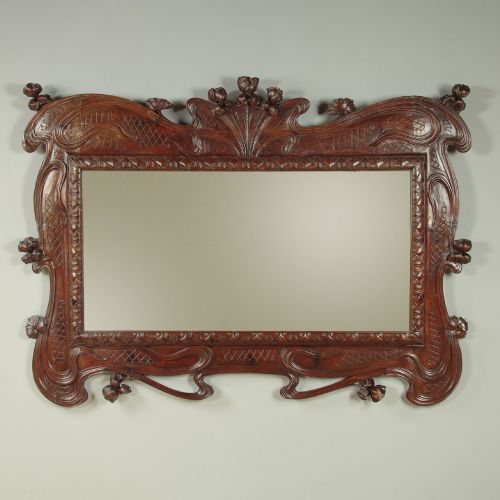
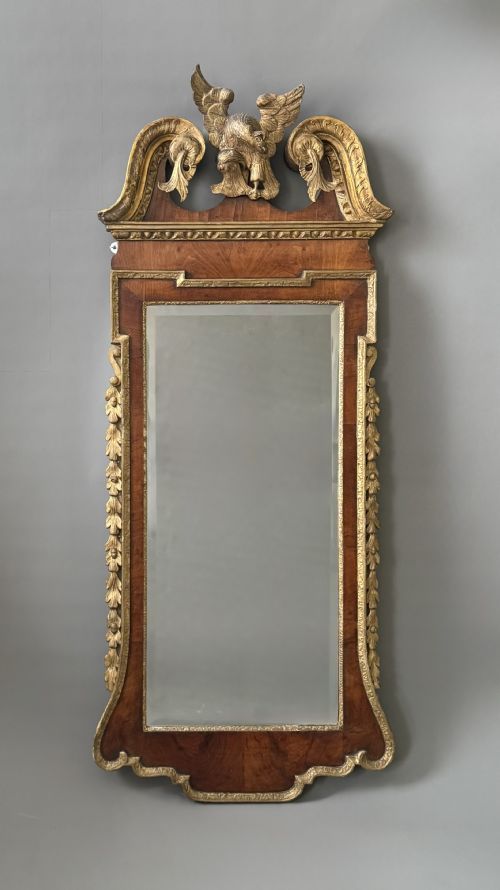
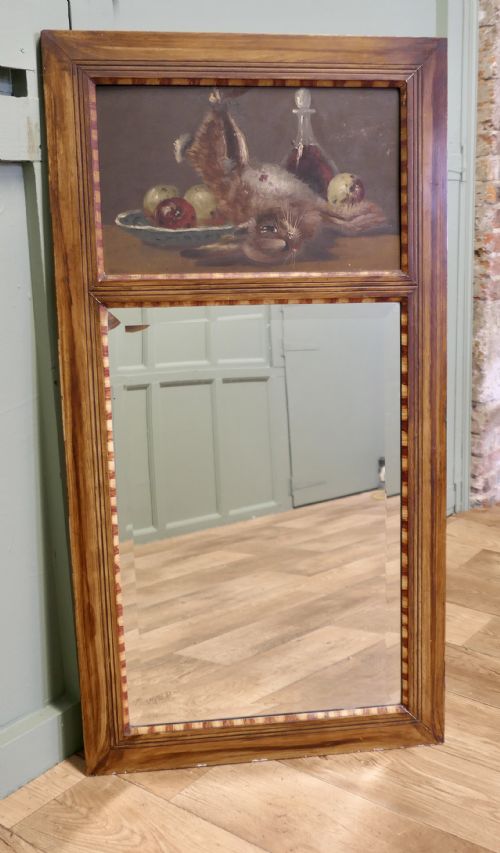
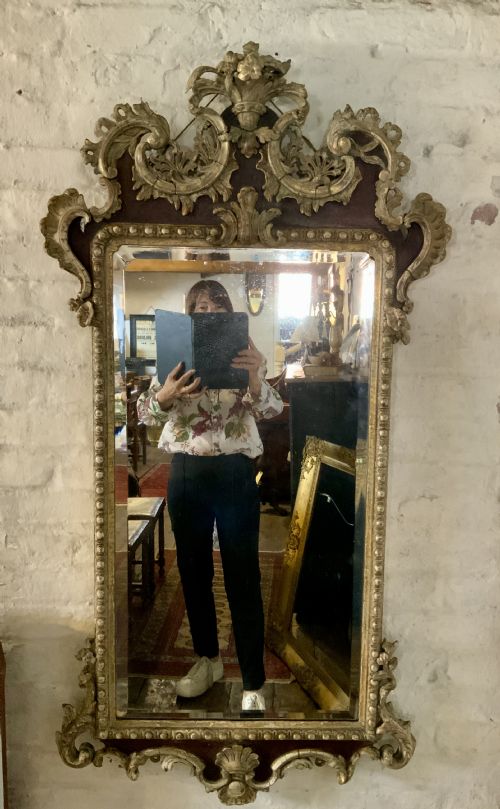
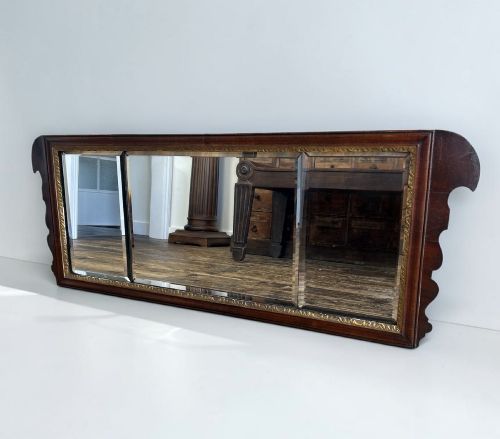
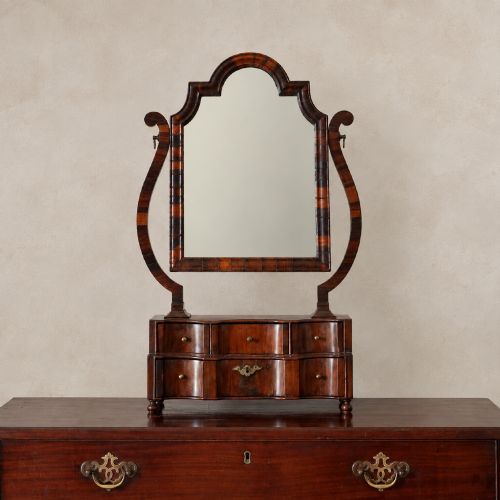
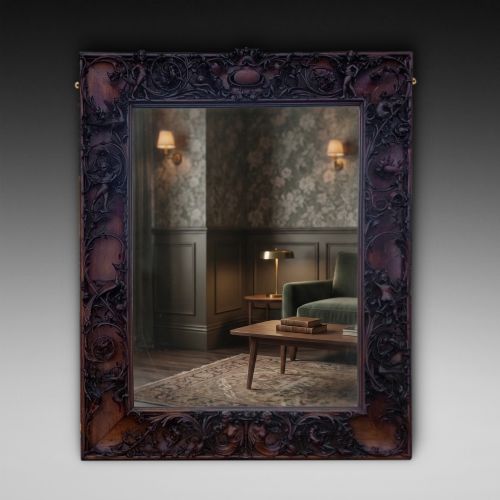
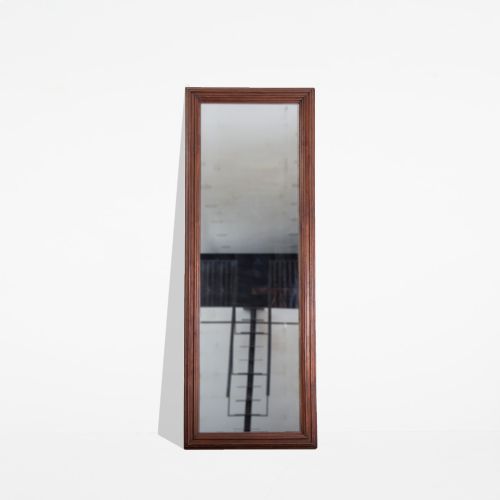
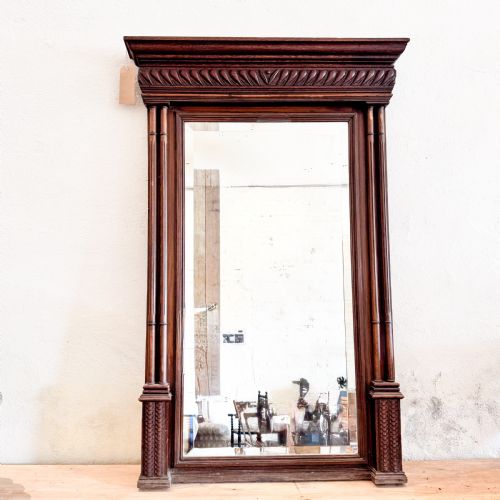
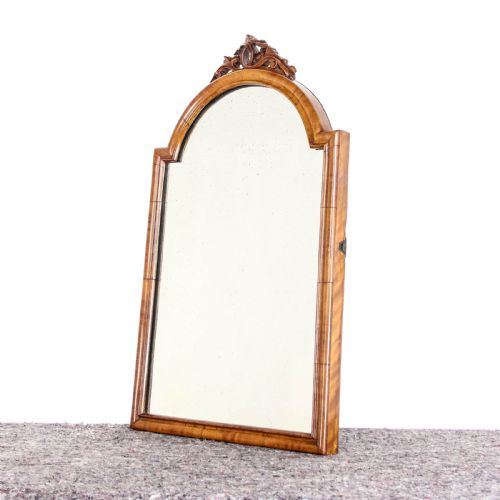
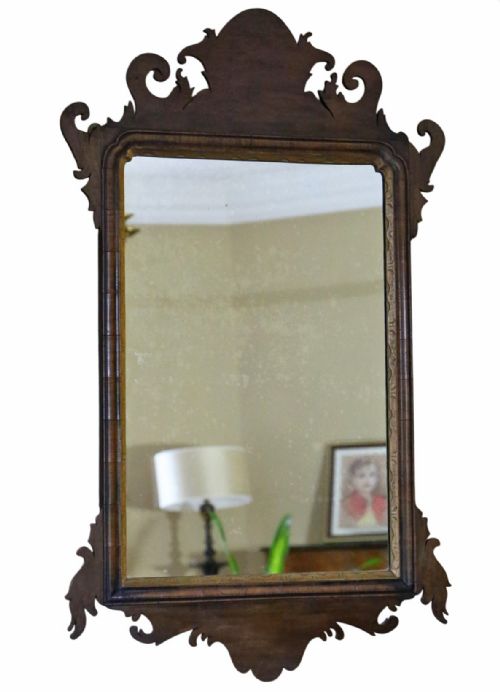
A walnut mirror frame encompasses wall hangings, overmantels, toilet mirrors, and dressing glasses produced across multiple centuries. When searching for a walnut mirror frame, buyers encounter diverse forms ranging from simple 18th-century Georgian designs to ornate Victorian carvings and revival pieces.
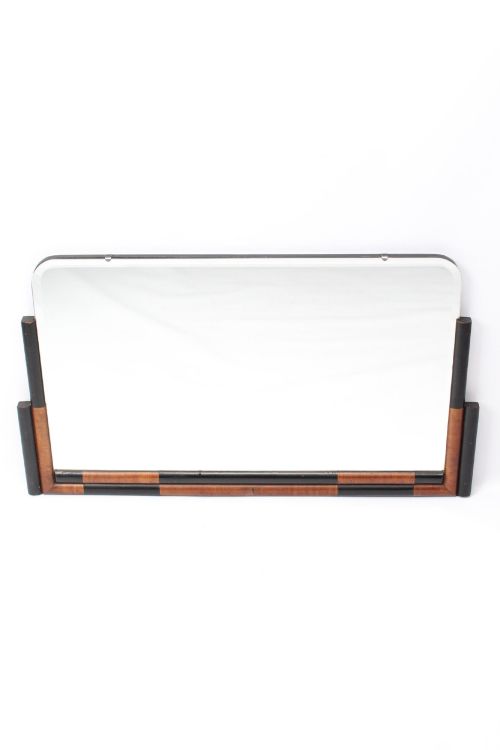
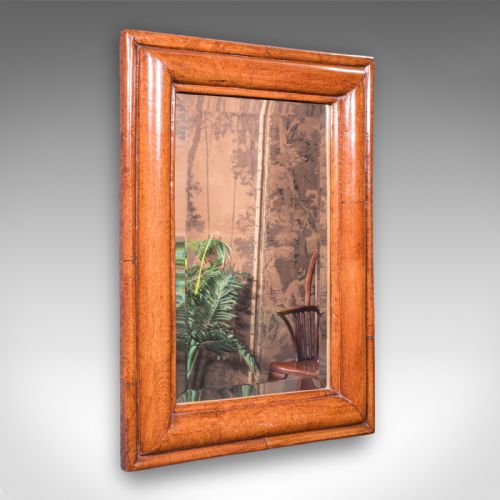
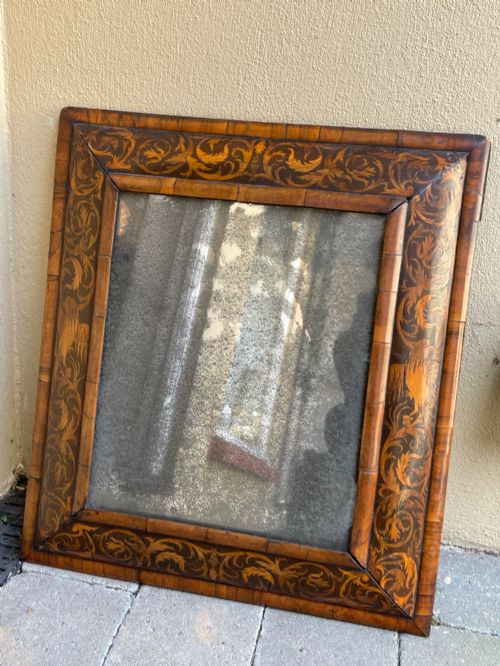
The selections span distinct historical eras including William and Mary, Queen Anne, George II, and later Edwardian and Art Deco periods. Wall-mounted rectangular formats and cushion-moulded profiles dominate the available examples.
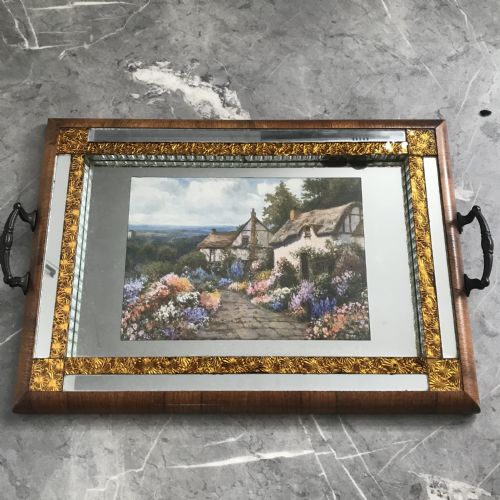
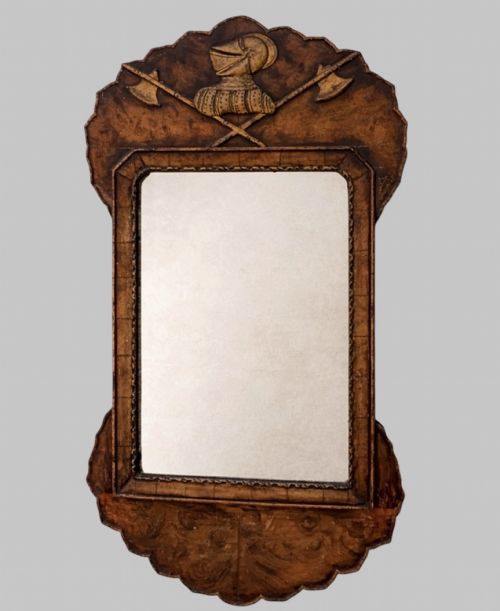
Makers utilised both solid timbers and decorative veneers to create these surrounds, often integrating parcel gilt highlights, brass fittings, or ebonised details. Each piece reflects the prevailing interior tastes of its specific decade.
How they were made
Craftsmen built these frames using solid walnut or applied thin veneers such as burr walnut and oyster cut sections onto secondary pine or oak carcases. Marquetry inlay and cross-banding frequently decorated the flat borders of earlier examples.
Carvers shaped elaborate details including architectural fretwork, parcel gilt foliage, and armorial crests by hand. Surface finishes relied on traditional polish and wax techniques to enhance the natural figuration of the wood grain.
Listings feature walnut mirror frames spanning from the late seventeenth century through the Art Deco era, encompassing solid wood and veneered forms.
What varies in quality
The refinement of the timber selection dictates much of the visual appeal, with richly figured burr or oyster veneers commanding attention over plain planks. Superior execution shows in the crispness of hand-carved fretwork and the careful alignment of grain patterns across joints.
Original mirror plates, whether bevelled or flat, preserve the historic integrity of the piece more effectively than later replacements. The retention of original parcel gilding and early backing boards further distinguishes finer examples from later reproductions.
The Walnut Mirror Frame Glossary
- Cushion frame
- A broad, convex moulded border designed to project outward from the wall. This profile became particularly popular during the late seventeenth century.
- Oyster veneer
- Thin circular slices cut transversely from small branches or roots of walnut. These pieces form repeating patterned surfaces resembling oyster shells.
- Parcel gilt
- Portions of a wooden frame highlighted with gold leaf. This technique accents carved details like side scrolls or inner mouldings.
- Fret cut
- Wood shaped with a piercing saw to create intricate geometric or scrollwork silhouettes. It defines many Georgian wall mirrors.
- Vauxhall mirror
- An early type of looking glass featuring a bevelled edge and thick glass plates. They reflect the high standards of early English glass manufacture.
Walnut Mirror Frame: Frequently Asked Questions
How do I date a walnut mirror frame?
Dating relies on examining the construction methods, edge bevels of the glass, and the profile of the moulding. Earlier pieces from the seventeenth and eighteenth centuries often feature hand-bevelled plates and distinct timber backing boards.
Later revival pieces from the Victorian and Edwardian eras typically employ machine-cut elements and modern fixings. Comparing the decorative motifs, such as fretwork or parcel gilding, against known historical styles helps narrow the period of origin.
Are original mirror plates important?
Original glass plates contribute significantly to the authenticity and historical value of an antique mirror. They often display minor imperfections, oxidation, and subtle distortions that indicate age.
Replacement glass appears clearer and lacks the undulating surface typical of historic manufacturing methods. While modern glass offers a clearer reflection, collectors generally prefer the unaltered character of period plates.
Where should I hang a heavy wall mirror?
Heavy wall mirrors require secure mounting directly into wall studs or masonry using appropriate weight-rated fixings. The substantial weight of solid walnut and thick glass demands robust hardware to prevent structural strain.
Positioning the frame at eye level or above a mantelpiece distributes visual weight effectively within a room. Ensure the hanging wire or D-rings on the reverse match the total mass of the object.
What is a parcel gilt finish?
A parcel gilt finish involves applying thin sheets of gold leaf to specific raised portions of a carved wooden frame. This method highlights decorative elements such as mouldings, crests, and inner borders against the dark walnut background.
Common in Georgian and revival pieces, this decorative combination adds contrast and reflective brightness. Maintenance requires gentle dusting to preserve the delicate metallic leaf.